

-
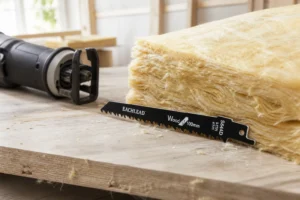
How to Select a Reciprocating Blade for Insulation Materials
Select an insulation blade for reciprocating saw work by edge type, TPI, HCS vs bi-metal, fibrous PPE, and EACHLEAD’s HCS recip category pathway.Read more -
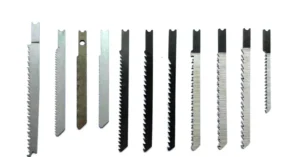
How to Specify a 24-Inch Reciprocating Blade for Reach
A 24-inch request should preserve its source, datum, access path, and workpiece context. The number explains the buyer’s request, but it cannot alone confirm actual reach, cut depth, fit, or a particular blade configuration. FAQs Contents...Read more -
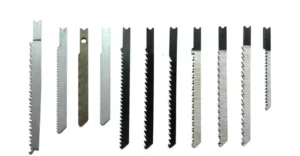
When Does an 18-Inch Sawzall Blade Need Extra Support?
An 18-inch request should explain the support question without making the length carry a technical conclusion. Keep the source, overhang context, tool and holder evidence, workpiece access, and supplier questions together. FAQs Contents Part 1. Define...Read more -
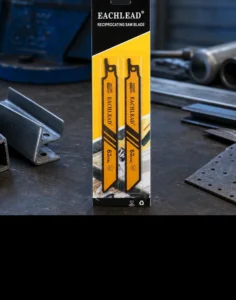
What Should a 16-Inch Reciprocating Blade Reach RFQ Record?
A 16-inch request should begin with the buyer’s source and measurement reference. The stated value can explain an enquiry, but it cannot by itself confirm actual reach, cutting depth, holder fit, or a particular blade configuration....Read more -
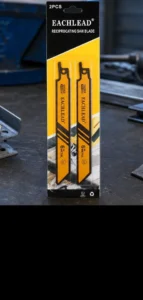
What Should a Double-Sided Reciprocating Blade RFQ Record?
“Double-sided” should stay connected to the buyer’s source rather than becoming a product conclusion. A useful RFQ preserves the visible description, the source views, the holder context, and the open questions that still need a supplier...Read more -
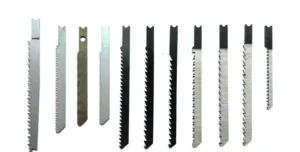
What Evidence Should a Curved Reciprocating Blade RFQ Include?
“Curved” should be treated as a buyer-supplied description that needs context. A sound RFQ keeps the source sketch or sample, tool and holder evidence, task boundary, and open questions together without turning an outline into a...Read more -
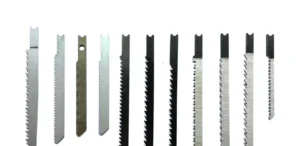
How to Choose Mini Sawzall Blades for Compact Tools
“Mini” is a buyer description, not a complete blade specification. A compact-tool enquiry should identify the tool, holder evidence, access conditions, reach question, and unresolved configuration fields before a supplier is asked to review a blade....Read more -
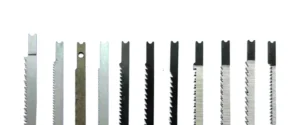
How Should Buyers Record Jigsaw Blade Tooth and Material Markings?
A marking record should preserve what a buyer can see without adding meanings that the sample does not prove. Copy the visible characters, retain the reference image, and keep uncertain text open for a supplier response....Read more -
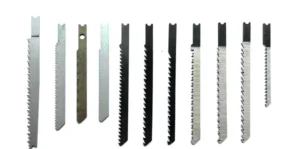
What Should a Jigsaw Blade Assortment RFQ Include?
An assortment RFQ becomes easier to compare when it describes the supplied blade references line by line. The goal is not to turn a mixed sample group into a universal selection claim. The goal is to...Read more -
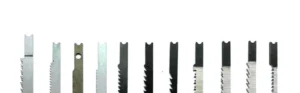
What Should a Jigsaw Blade Insertion-Depth Record Capture?
An insertion-depth record should capture an observed position, not manufacture a compatibility conclusion. The useful question is not “does this blade fit?” but “what reference points, photos, and unknown holder conditions should travel with the RFQ?”...Read more
