


What Should a Buyer Record During Planer Blade Receiving Inspection?
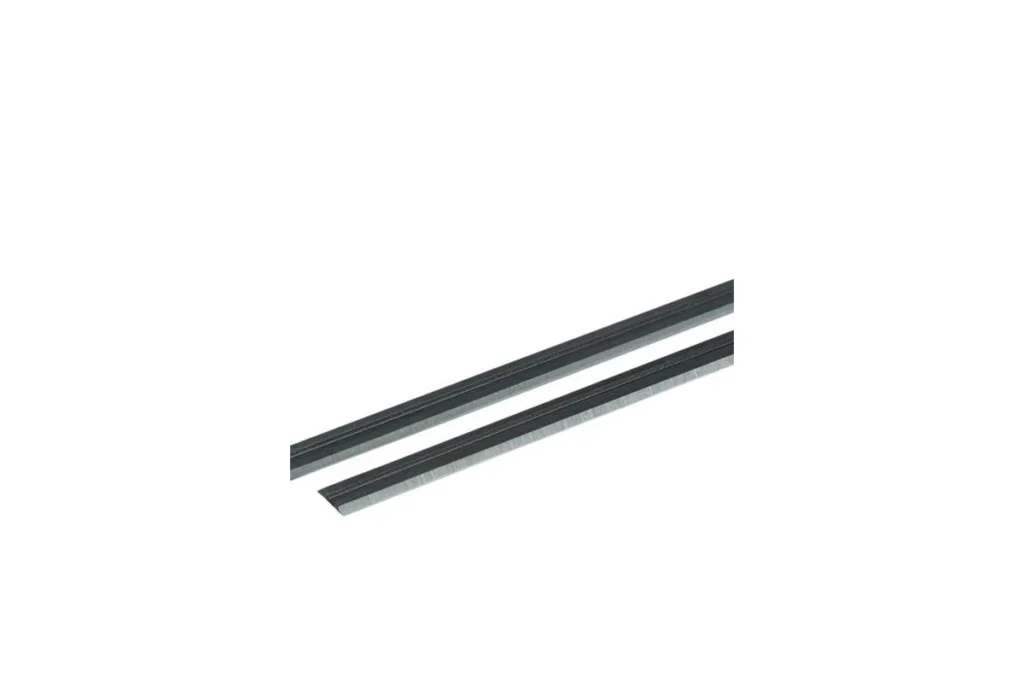
Planer blade receiving inspection is a record-comparison step, not a performance verdict. Begin with the approved order specification, then use the Planer Blades category only for documented product-family context.
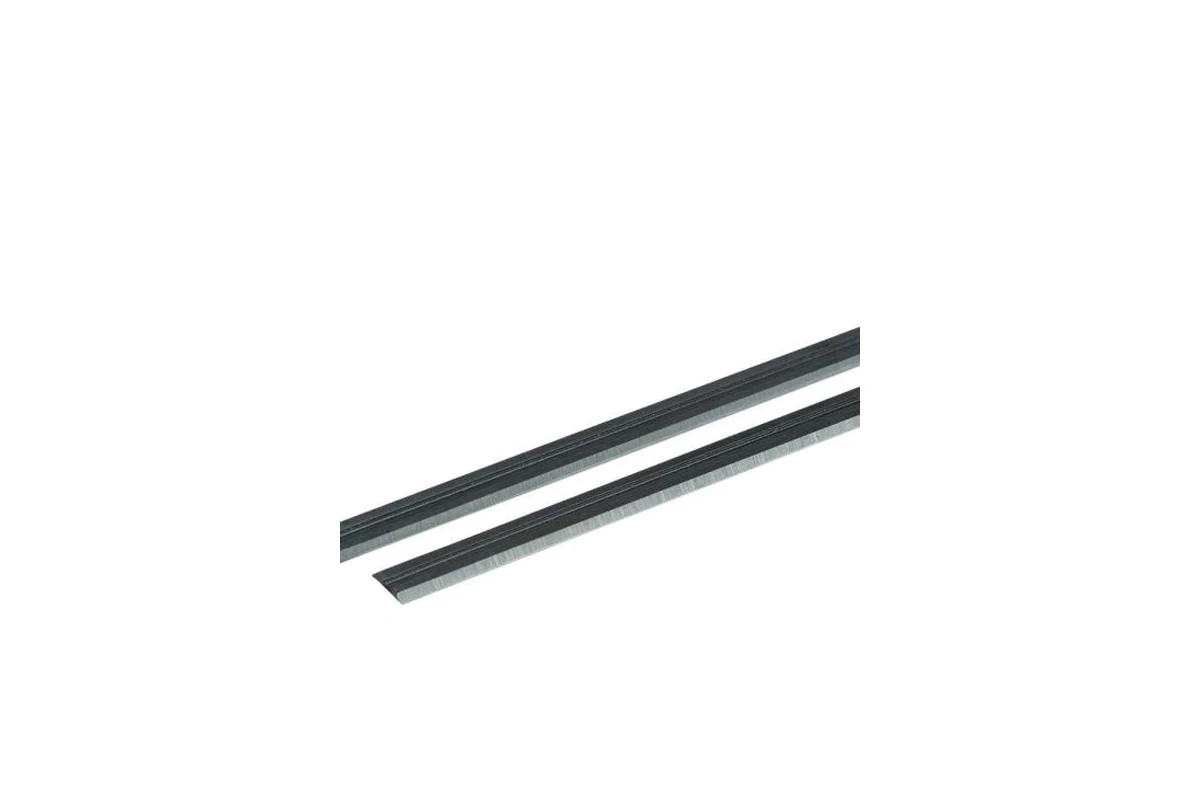
For records prepared before receipt, see how to measure a replacement planer blade and how to record blade thickness tolerance.
Important: Do not turn a receiving comparison into an installation check; isolate the planer before examining installed knife components. (OSHA machine guarding overview)
Open the receipt against an approved reference
Use the purchase record, approved drawing, or retained reference knife as the comparison point. Do not rely on an assumed configuration from a general product description.
Confirm identity and count before deeper checks
Record the order identifier, line-item identifier, received quantity, and any visible package reference. A count alone does not establish that the received knives correspond to the intended geometry.
| Record field | Buyer evidence | Reason for retention |
|---|---|---|
| Order line | Purchase reference and item identifier | Connects the review to the requested configuration |
| Knife evidence | Drawing, photo, or retained reference | Makes the comparison specific |
| Decision note | Open question or release status | Keeps follow-up traceable |
Compare observable configuration fields
Check the fields that can be safely compared from the approved record, such as length, width, thickness reference, hole or slot pattern, edge style, and orientation. Flag an unclear field instead of estimating it.
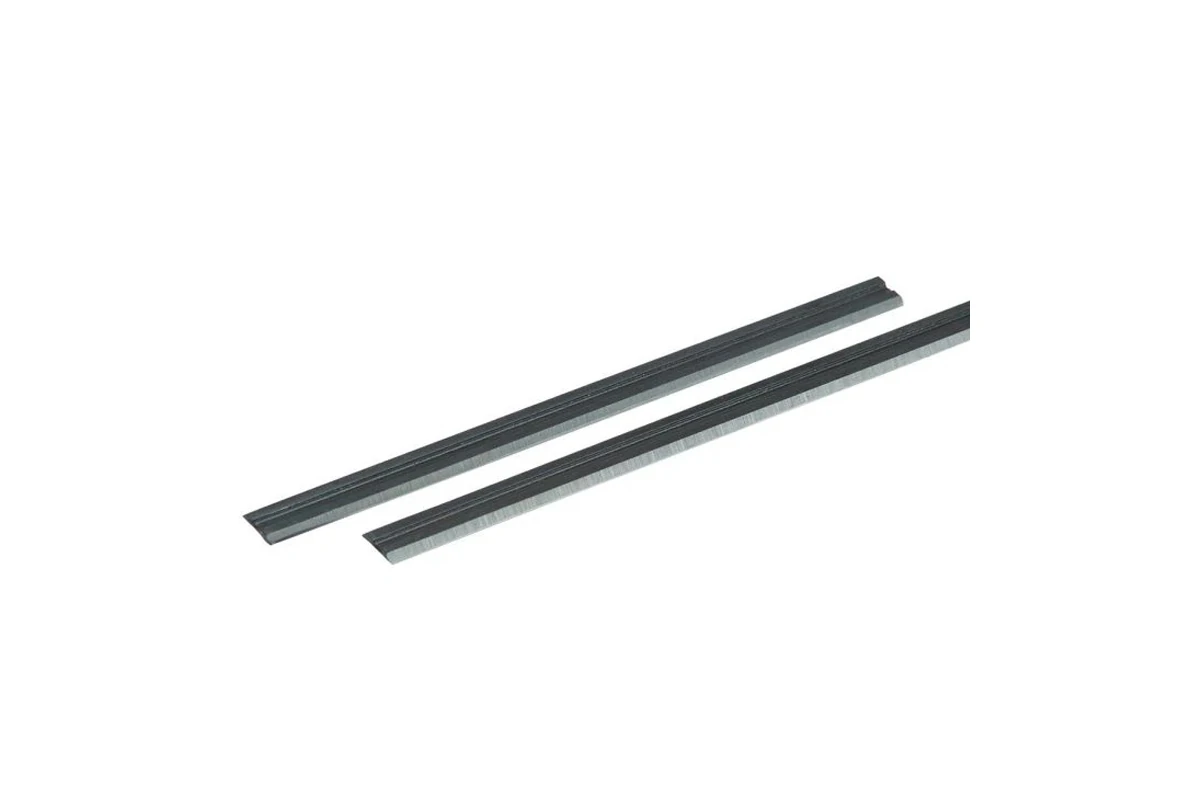
Document visible condition without making a performance claim
Photograph the received item and note visible packaging or component condition using neutral language. This creates a traceable review point without asserting edge life, cut quality, or suitability for an untested application.
Control the first release
Keep the inspection record connected to the receiving decision, including who reviewed it, the date, and any questions sent back to the supplier. Where a controlled first check is needed, retain the comparison evidence before wider inventory release.
| Procurement input for receiving review | What to provide | Why it is needed |
|---|---|---|
| Order reference | Purchase order and line identifier | Identifies the received item under review |
| Comparison evidence | Photos, measurement note, or approved drawing | Makes the reported difference traceable |
| Requested clarification | Specific field and release status | Keeps the follow-up focused |
Use the listed product page as context only
The HCS sharpening planer blade page can help identify a listed family after the receipt record is understood. It cannot replace the buyer’s approved specification or confirm a result in every cutterhead.
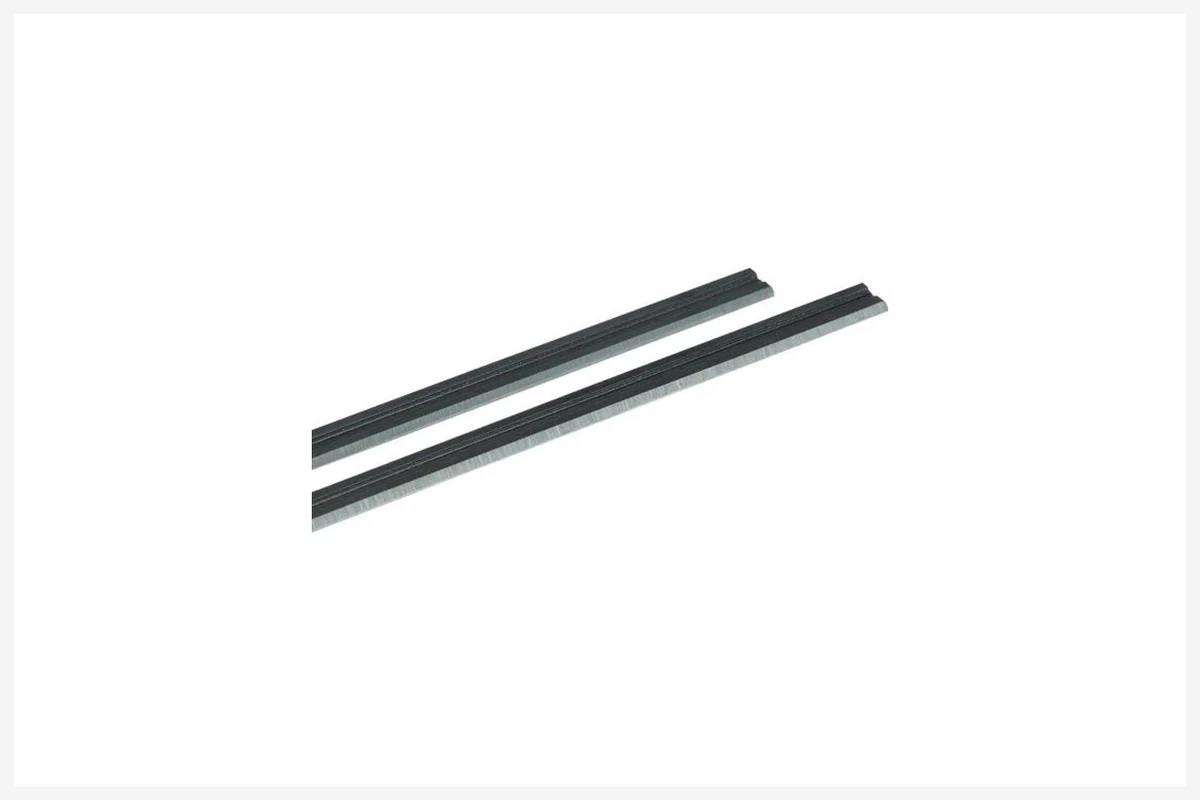
Product recommendation: review the listed planer blade family after the buyer record is complete.
Escalate unresolved differences with evidence
Send the order reference, photos, measurements or observations, and the specific comparison point that needs clarification. Keep the equipment isolated before any cutterhead inspection or installation activity.
For a receiving difference, send EACHLEAD the receipt comparison with the order line, observed field, and supporting photos.
FAQs
What is the first document to use at receiving?
Start with the approved purchase record, drawing, or retained reference associated with the order line.
Does quantity confirmation complete receiving inspection?
No. Quantity is one field; the received configuration and documented visible condition also need review.
Which geometry fields should be retained?
Retain the fields relevant to the approved knife configuration, including dimensions, mounting features, edge style, and any applicable orientation.
Should a buyer make a performance decision at receipt?
No. A receiving record compares delivered items with the approved record and does not guarantee tool performance.
When should a buyer contact the supplier?
Contact the supplier when an approved field is unclear or a documented difference needs clarification before release.
Why keep photos with the receipt record?
Photos connect the written observation to the specific received condition and make later clarification more traceable.
References
- Planer blade measurement guide: use this comparison context when a received dimension needs clarification.
- HSS planer blade fitment tables: background for recording relevant knife configuration fields at receipt.
- OSHA machine guarding overview: safety context if an isolated installation inspection becomes necessary.