


How Should Buyers Record Planer Blade Thickness Tolerance?
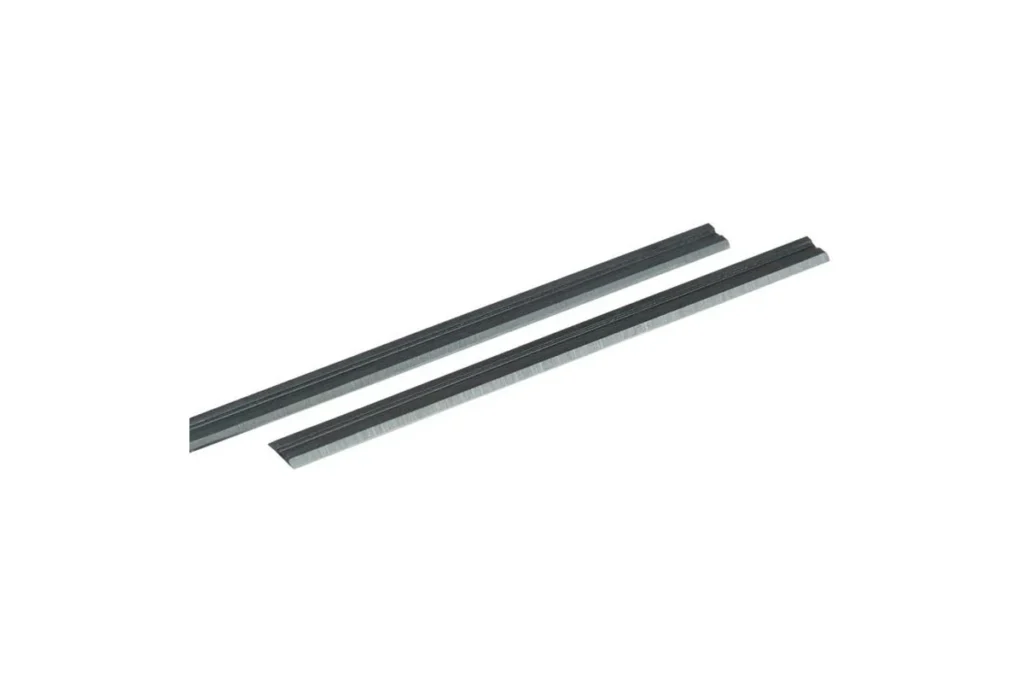
Planer blade thickness tolerance should be recorded as part of a replacement-order check, together with the cutterhead seat and mounting features. Start with the Planer Blades category only after the measured record is complete.
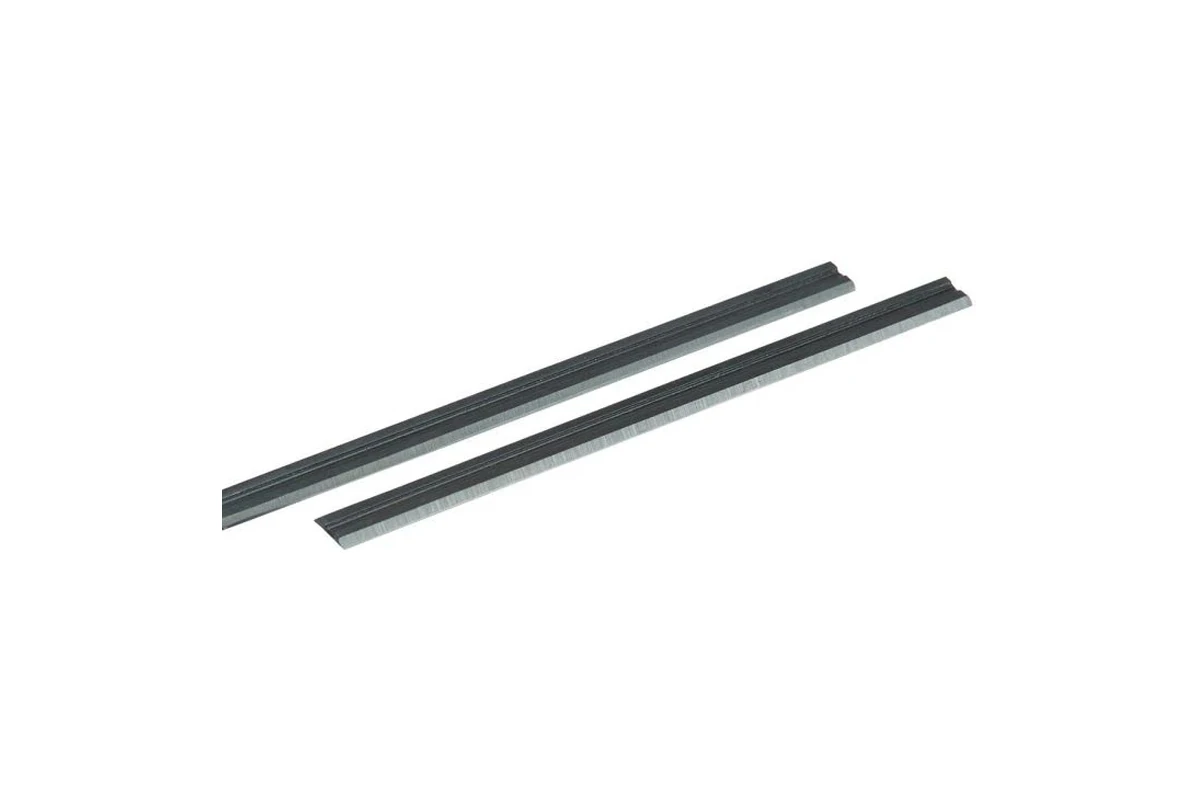
Related preparation steps are covered in replacement planer blade measurement and matching blade length to the cutterhead.
Important: Isolate the machine and follow its guarding procedure before measuring knife components or accessing the cutterhead. (OSHA machine guarding overview)
Treat thickness as a seat-fit field
Thickness changes how a knife sits in the cutterhead, so it should be measured and recorded rather than inferred from a product title or prior carton label.
Measure the reference knife and the seat separately
Take repeatable readings from an undamaged reference knife and note the measurement tool and points used. If access permits, compare the knife record with the relevant cutterhead seat reference.
| Check point | Evidence to record | Why it matters |
|---|---|---|
| Knife geometry | Measured reference or drawing | Keeps the comparison tied to the installed configuration |
| Cutterhead details | Seat, clamp, holes, or slots | Reveals retention and alignment constraints |
| Observation method | Photo, reading locations, or controlled symptom note | Makes the review traceable |
Record variation instead of rounding it away
Keep individual readings and their location on the knife or drawing. A rounded nominal value can hide a difference that matters to seating and retention.
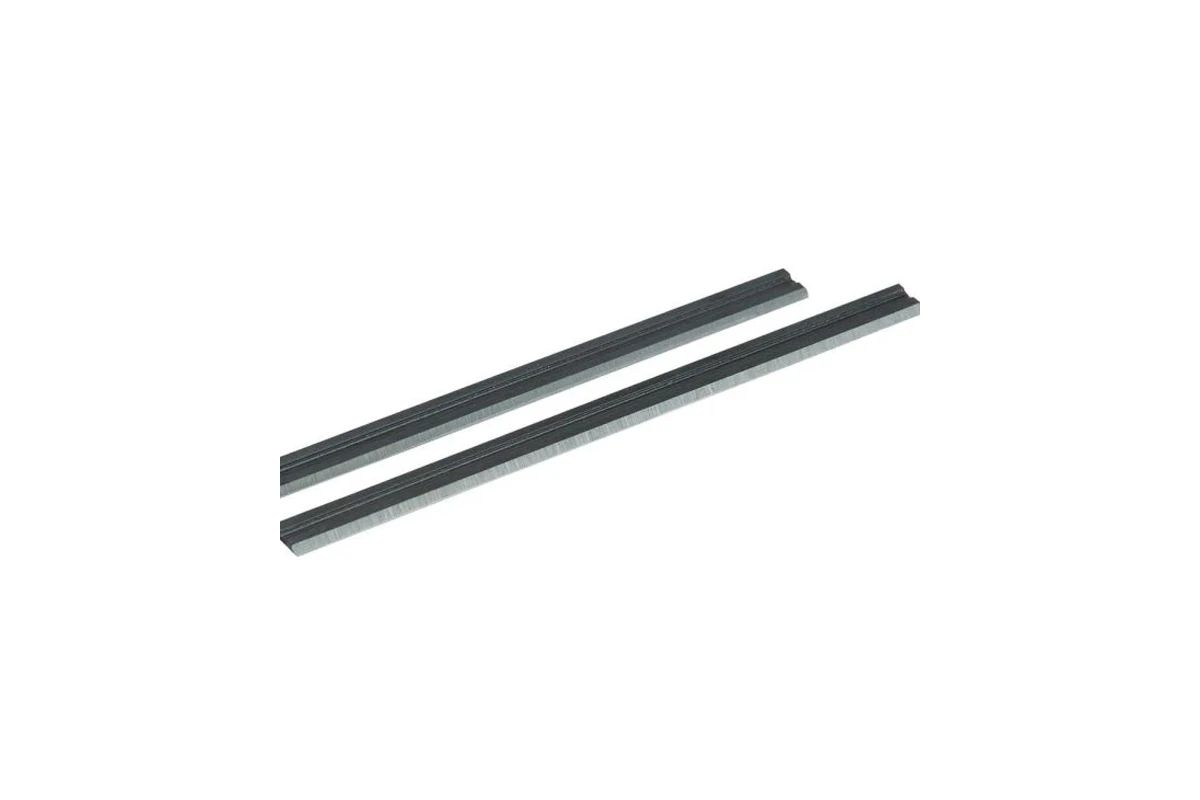
Keep thickness linked to holes and edge geometry
Thickness is not a stand-alone order field: hole pattern, slots, width, edge style, and overall length must be reviewed as one configuration.
Build a quote record a supplier can review
Send the measured readings, drawing or photo, cutterhead identity, edge style, application description, and requested quantity. Ask for clarification when a required field is unknown.
| Buyer should provide | Why it is needed | Common omission |
|---|---|---|
| Knife/cutterhead record | Connects the request to the actual equipment | Using only a generic product term |
| Measurement or symptom evidence | Defines the technical review point | Leaving out photos or reading locations |
| Trial and quantity details | Separates first check from wider release | Treating a sample as full approval |
Review the listed family after the configuration is clear
The listed HCS sharpening planer blade page is useful for product-family context after dimensions and application are documented. It does not establish a universal tolerance or fit statement.
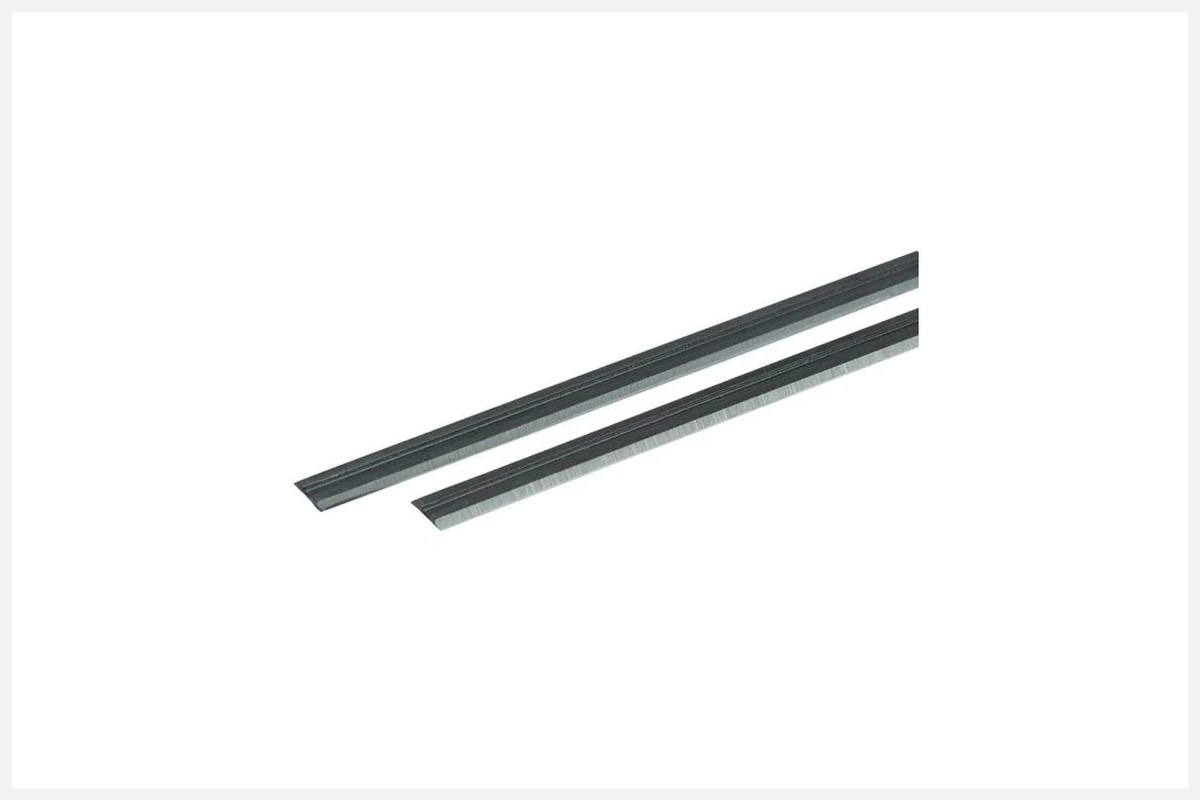
Product recommendation: review the listed planer blade family only after the inspection record is complete.
Inspect the first receipt before a wider release
Compare the received sample to the approved measurement record and note any difference before a full replacement order enters inventory.
When the reference data is ready, send the inspection record with the knife or cutterhead details, workpiece context, and quantity.
FAQs
Why does planer blade thickness need a separate check?
It affects how the knife sits in the cutterhead, so it cannot be assumed from blade length or the machine name.
Should buyers record more than one thickness reading?
Yes. Record the reading locations and method so the supplier can understand whether the reference knife is consistent.
Can a carton label replace a measurement record?
No. Use the installed knife, approved drawing, or cutterhead reference to validate the requested configuration.
Do mounting holes matter when thickness is correct?
Yes. Thickness, holes, slots, and edge geometry must all match the intended cutterhead configuration.
What should be sent with a tolerance-related RFQ?
Include readings, measurement points, cutterhead evidence, a photo or drawing, edge style, and quantity.
How should the first shipment be approved?
Compare the first received knives with the documented reference before distributing the full order.
References
- OSHA machine guarding overview: isolation and guarding context for the pre-measurement check.
- Planer blade measurement guide: reference for recording blade dimensions before an order.
- HSS planer blade fitment tables: background on matching a knife configuration to its intended tool.