

-
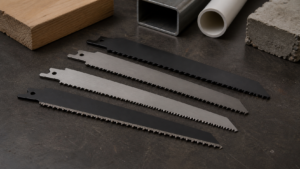
Carbide Reciprocating Saw Blades: When the Edge Construction Matters
Choose carbide reciprocating saw blades by edge type, material, TPI, blade length, body, shank, and the named model application.Read more -

How to Use a Jigsaw: Blade Choice and Cutting Control
Learn how to use a jigsaw with a practical blade check, setup sequence, model-specific setting logic, cutting steps, and troubleshooting table.Read more -
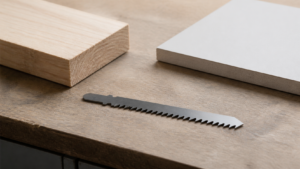
HCS Jigsaw Blades: Where High-Carbon Steel Fits
Learn where HCS jigsaw blades fit, then confirm the workpiece, tooth geometry, working length, and shank before selecting a model.Read more -
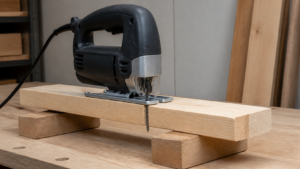
Can a Jigsaw Cut a 2×4? Blade Length and Cut Control
Can a jigsaw cut a 2x4? Check the exact saw, usable blade reach, shank, work support, and required cut quality before choosing a blade.Read more -
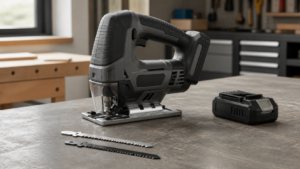
How to Change a Jigsaw Blade: Clamp and Shank Checks
Learn how to change a jigsaw blade by identifying the clamp, matching the shank, seating the blade, and completing the model-specific check.Read more -
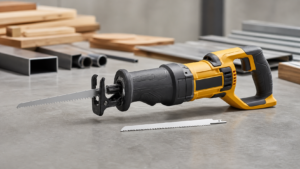
What Is a Reciprocating Saw? A Practical Guide to the Tool and Blade
What is a reciprocating saw? Learn how its blade and shoe work, which jobs the tool suits, and how it differs from a jigsaw.Read more -
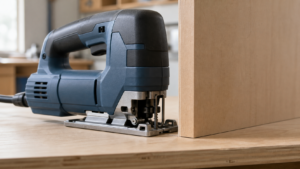
Flush-Cut Jigsaw Blades: Geometry, Tool Fit, and Use Cases
Learn how a flush cut jigsaw blade reaches an obstruction, which tool interfaces control fit, and what to verify before ordering or testing one.Read more -
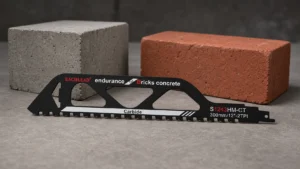
Concrete Sawzall Blades: Match the Blade to the Cutting Task
Learn how to match a concrete Sawzall blade to masonry material, cut depth, blade length, shank and saw model before ordering.Read more -
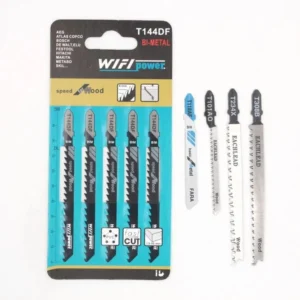
What Is a Jigsaw? How the Tool and Blade Work Together
What is a jigsaw? Learn how the tool moves, what the shoe does, and how to record blade fit, material, TPI, size, and cutting task.Read more -
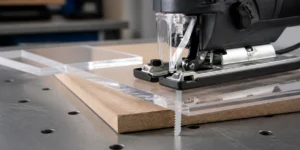
How to Choose a Jigsaw Blade for Plastic
Choose a jigsaw blade for plastic by material, thickness, tooth spacing, shank, and edge requirement. Compare practical PVC, acrylic, PP, and PE examples.Read more
