


What Matters Most for Thick-Metal Reciprocating Cuts?
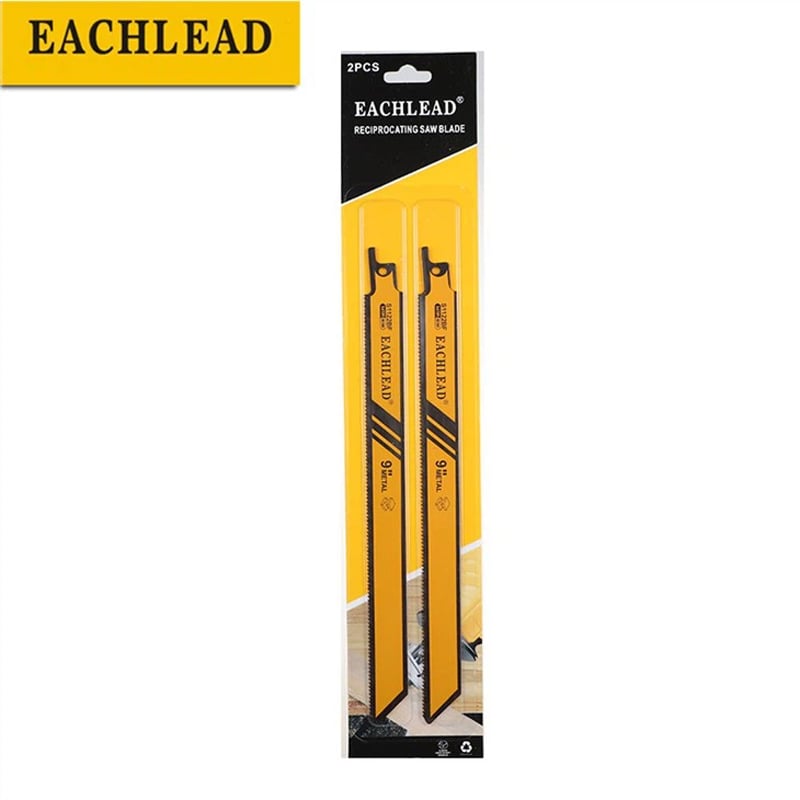
Choosing reciprocating saw blades for thick metal requires length, stiffness, TPI, and support to work together. Extra length helps reach, but excess flex and wrong tooth density create heat and wander. Start with the reciprocating saw blades BIM material page, then document thickness and cut geometry.
Part 1. What makes thick-metal reciprocating cuts different?
Thick sections increase chip load, heat, and side force, so length and TPI must be chosen as a system.
Important: Accessory selection and safe setup belong together per the CPSC power-tool safety guidance.
Part 2. How much blade length is enough for thick metal?
Use the shortest blade that clears the section with safe overhang rather than the longest catalogue option.
| Depth need | Length rule | Common mistake |
|---|---|---|
| Through thick plate | Clear thickness with short overhang | Ordering maximum length by habit |
| Deep access cut | Verified reach plus stiffness | Ignoring tool stroke limits |
| Bar or tube | Match diameter and wall | Confusing wall with overall size |
Part 3. How should TPI change as metal thickness rises?
Thicker stock usually needs a TPI band that clears chips without overloading the teeth.
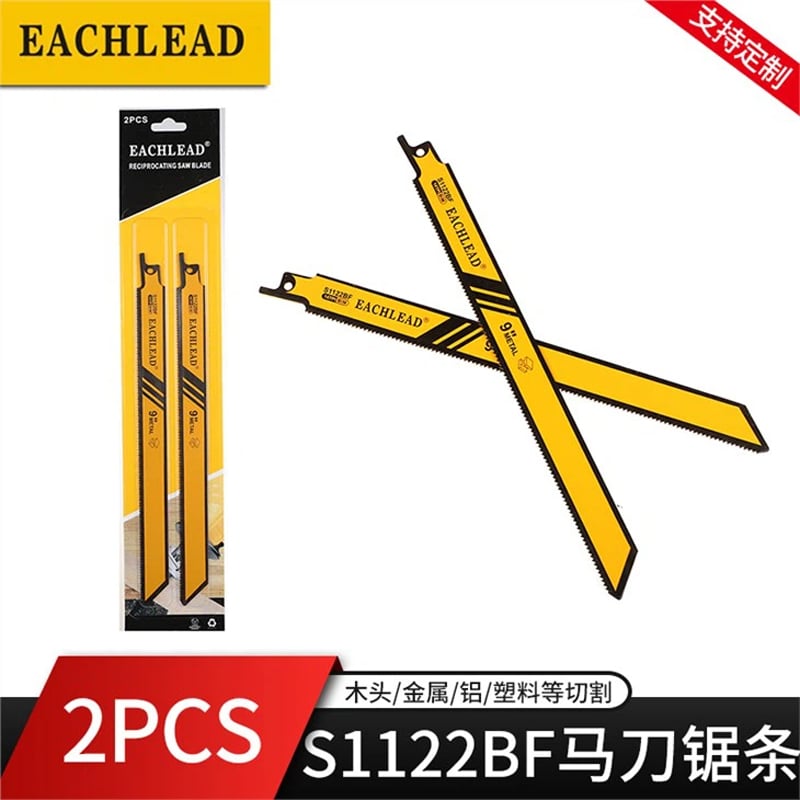
Use how to choose reciprocating saw blade TPI for metal to set the tooth band after length is drafted.
| Thickness signal | TPI planning | Setup note |
|---|---|---|
| Rising thickness | Mid/lower TPI direction | Controlled feed |
| Thin wall still present | Do not overshoot coarse | Protect edge quality |
| Mixed jobs | Separate SKUs | Avoid one-blade stocking |
Part 4. What setup steps reduce heat and wander?
Support, controlled feed, and blade condition matter as much as the printed length.
| Setup control | Symptom if weak | Correction |
|---|---|---|
| Workpiece support | Binding and heat | Clamp near cut line |
| Feed rate | Tooth overload | Slow feed |
| Blade condition | Wander | Replace worn blade |
Part 5. When is a specialty blade needed instead?
Cast iron, abrasive, or stainless work may need a different family after thickness is confirmed.
| Material case | Next question | Link or action |
|---|---|---|
| Cast iron | Specialty blade needed? | Review cast-iron guide |
| Stainless | Different heat behavior? | Confirm stainless family |
| Thick mild steel | Length + TPI enough? | Stay in thick-metal RFQ |
Part 6. Which fields belong in a thick-metal RFQ?
Buyers should state thickness, alloy family, cut geometry, and access limits.
| RFQ field | Buyer input | Supplier response |
|---|---|---|
| Material family | Steel, aluminum, other | Recommended blade family |
| Thickness | Wall or plate size | TPI and length class |
| Cut geometry | Straight, notch, access cut | Stiffness guidance |
| Holder type | Verified reciprocating holder | SKU compatibility |
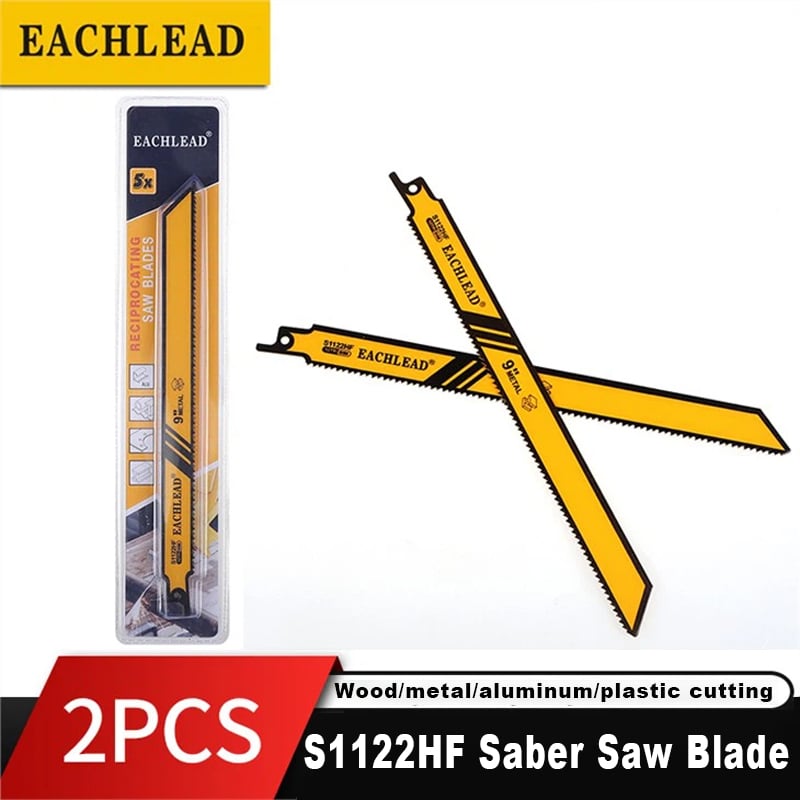
Product recommendation: review the S1122BF 9 Inch Reciprocating Saw Blades only after thickness and cut geometry are documented. Target URL: /product/s1122bf-9-inch-reciprocating-saw-blades/; natural anchor: S1122BF 9 Inch Reciprocating Saw Blades.
Fit Boundary
Fits teams that can test on scrap metal before standardizing a SKU. Not sufficient when cut rate or blade life must be guaranteed without verification.
Why not recommend as a default: do not recommend this SKU for thin sheet finish work, unknown holder types, or projects that require an unverified cut-rate guarantee.
Part 7. What field mistakes look like a length problem?
Wander and mid-blade fatigue often start from overhang or binding, not from a short label alone.
To compare EACHLEAD reciprocating blades for a program or OEM pack, send the material list and finish requirement. Review reciprocating saw blade products after inputs are defined.
FAQs
What length reciprocating blade is best for thick metal?
Choose the shortest length that clears the section with limited overhang. Excess length increases flex.
Can a 9-inch blade handle thick plate?
It may, when the tool stroke, support, and TPI match the thickness. Confirm with a scrap cut.
Does thick metal always need a lower TPI?
Often yes for chip clearance, but the exact band depends on the wall or plate thickness.
Why do long blades wander in thick metal?
Flex and side loading rise with exposed length. Shorten overhang and improve support.
Is cast iron the same as thick steel for blade choice?
No. Cast iron may need a specialty approach. See the cast iron cutting reciprocating saw blade guide.
What should be in a thick-metal RFQ?
Thickness, alloy, cut geometry, access limits, holder type, and required pack size.
How do distributors reduce returns on thick-metal blades?
Label length, intended thickness band, and material class clearly on the SKU master data.