


What TPI Should You Use for Metal Reciprocating Cuts?
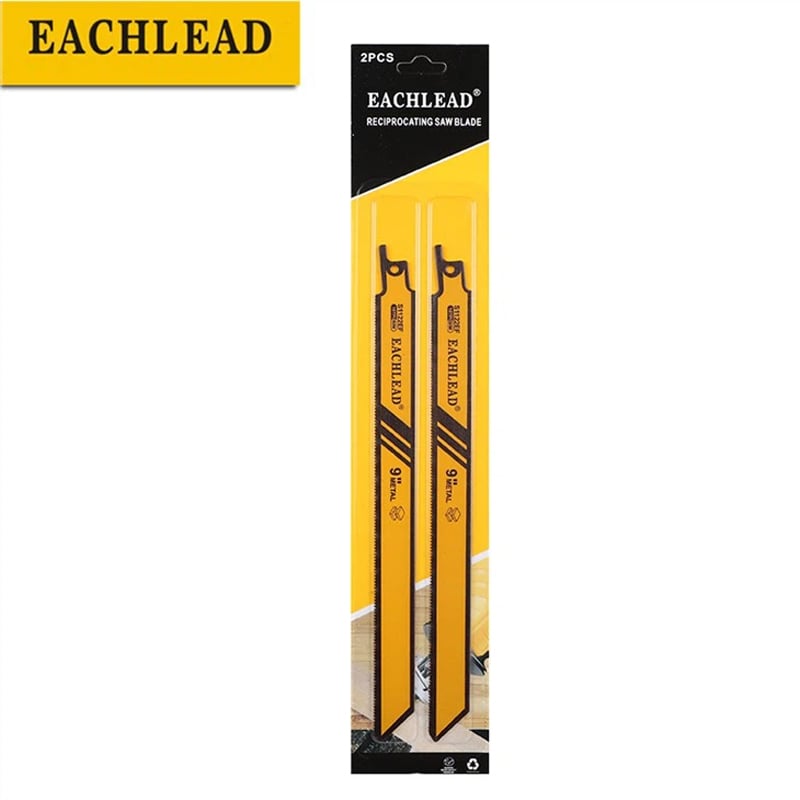
Reciprocating saw blade TPI for metal is a thickness and tooth-engagement decision, not a single universal number. Higher TPI usually suits thinner stock; lower TPI clears thicker sections when enough teeth stay in the cut. Confirm the holder and material first via the reciprocating saw blades BIM material page.
Part 1. What does TPI decide in a metal reciprocating cut?
TPI sets how many teeth engage the metal thickness and how heat and chip load build during the stroke.
Important: Accessory selection and safe setup belong together per the CPSC power-tool safety guidance.
Part 2. How should buyers match TPI bands to metal thickness?
Use thickness bands as planning ranges, then confirm with the actual stock and a scrap test.
| Metal thickness planning | Typical TPI direction | Risk if mismatched |
|---|---|---|
| Thin sheet | Higher TPI | Snagging if too coarse |
| Medium plate or tube wall | Mid TPI | Slow cut or heat if too fine |
| Thicker section | Lower/mid TPI | Tooth overload if too fine |
These are planning ranges, not universal charts. Confirm against the listed EACHLEAD SKU label and a scrap cut.
Part 3. Why tooth engagement matters more than a catalogue number?
A high TPI on thick stock can load the teeth; a low TPI on thin sheet can snag or chatter.
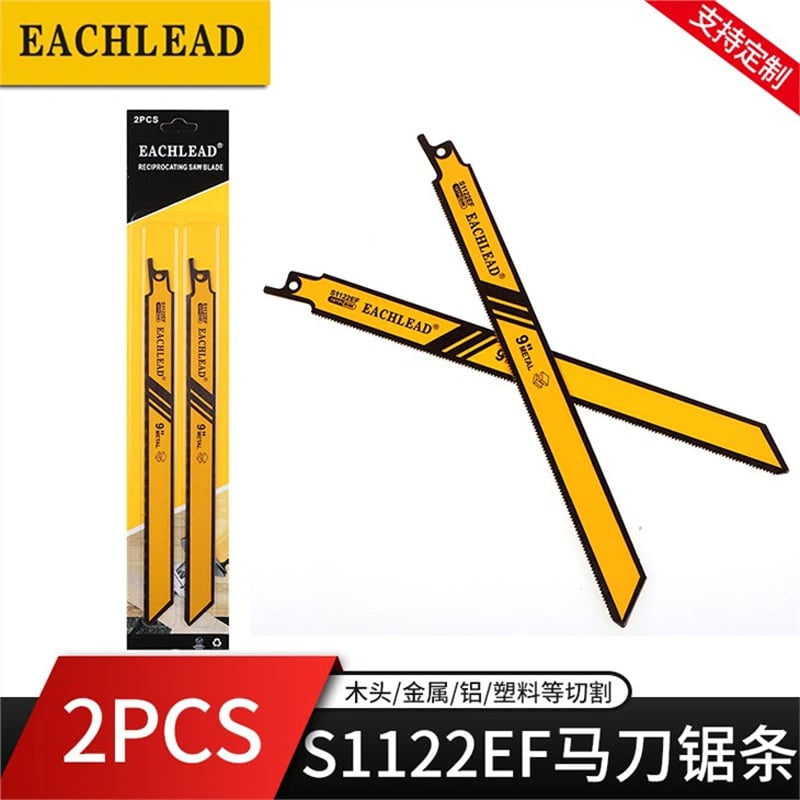
For broader metal family context, see reciprocating saw blades for metal types after the TPI decision is drafted.
| Engagement check | Question to answer | Action |
|---|---|---|
| Teeth in cut | Are several teeth contacting the thickness? | Adjust TPI band |
| Chip packing | Is the gullet clearing? | Slow feed or change TPI |
| Edge quality | Is burr acceptable? | Re-test on scrap |
Part 4. How do bi-metal bodies and TPI work together?
Body construction and TPI are separate fields. Bi-metal often suits mixed metal work, but TPI still follows thickness.
| Field | What it controls | Common mix-up |
|---|---|---|
| Body material | Durability and material range | Treating bi-metal as a TPI substitute |
| TPI | Tooth density vs thickness | Ignoring wall thickness |
| Length | Reach and flex | Ordering length before TPI |
Part 5. What setup mistakes look like a wrong TPI choice?
Forced feed, unsupported stock, and worn blades can mimic a TPI problem.
| Symptom | First check | Then check TPI |
|---|---|---|
| Chatter on sheet | Support and feed | Too few teeth engaged |
| Heat on thick stock | Feed and blade wear | Too high TPI for thickness |
| Rough burr | Clamp and stroke | Mid/high TPI may help |
Part 6. Which TPI fields belong in a metal RFQ?
Buyers should state material, thickness, cut type, and finish requirement before comparing SKUs.
| RFQ field | Buyer input | Supplier response |
|---|---|---|
| Material family | Steel, aluminum, other | Recommended blade family |
| Thickness | Wall or plate size | TPI and length class |
| Cut geometry | Straight, notch, access cut | Stiffness guidance |
| Holder type | Verified reciprocating holder | SKU compatibility |
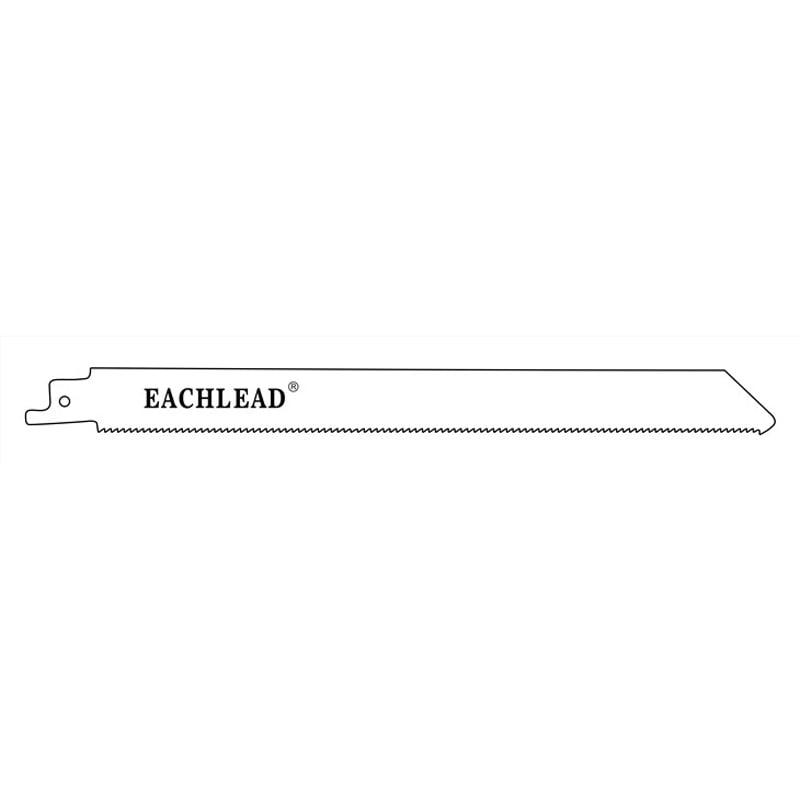
Product recommendation: review the S1122EF Reciprocating Saw Blades for Steel only after thickness and cut geometry are documented. Target URL: /product/s1122ef-reciprocating-saw-blades-for-steel/; natural anchor: S1122EF Reciprocating Saw Blades for Steel.
Fit Boundary
Fits teams that can test on scrap metal before standardizing a SKU. Not sufficient when cut rate or blade life must be guaranteed without verification.
Why not recommend as a default: do not recommend this SKU for thick plate without a thickness check, cast-iron specialty cuts without separate evidence, or any food-contact claim.
Part 7. What should distributors label for metal TPI SKUs?
Clear TPI and thickness intent reduce returns from mixed metal packs.
To compare EACHLEAD reciprocating blades for a program or OEM pack, send the material list and finish requirement. Review reciprocating saw blade products after inputs are defined.
FAQs
What TPI is best for cutting thin sheet metal with a reciprocating saw?
Higher TPI bands are common for thin sheet because more teeth stay engaged. Confirm the exact thickness and test on scrap.
What TPI is used for thicker metal with a reciprocating saw?
Lower or mid TPI bands are often used for thicker stock so chip clearance remains workable. Thickness still decides the band.
Does bi-metal change the TPI I should choose?
Bi-metal affects body durability and material range. TPI still follows thickness and tooth engagement.
Can one TPI cut pipe and plate?
Some mid bands cover a useful range, but pipe wall and plate thickness often need different engagement checks.
Why does a high-TPI blade stall on thick metal?
Too many teeth may load without enough gullet clearance. Move to a band suited for the thickness or slow the feed.
Should distributors stock multiple metal TPI SKUs?
Yes, if customers cut both thin sheet and thicker sections. Label the intended thickness band on each pack.
How do I verify TPI before a bulk order?
Ask for the labeled TPI, intended material, thickness range, and a sample cut on the customer’s stock.