


Which Blade Survives Abrasive Composite Cutting?
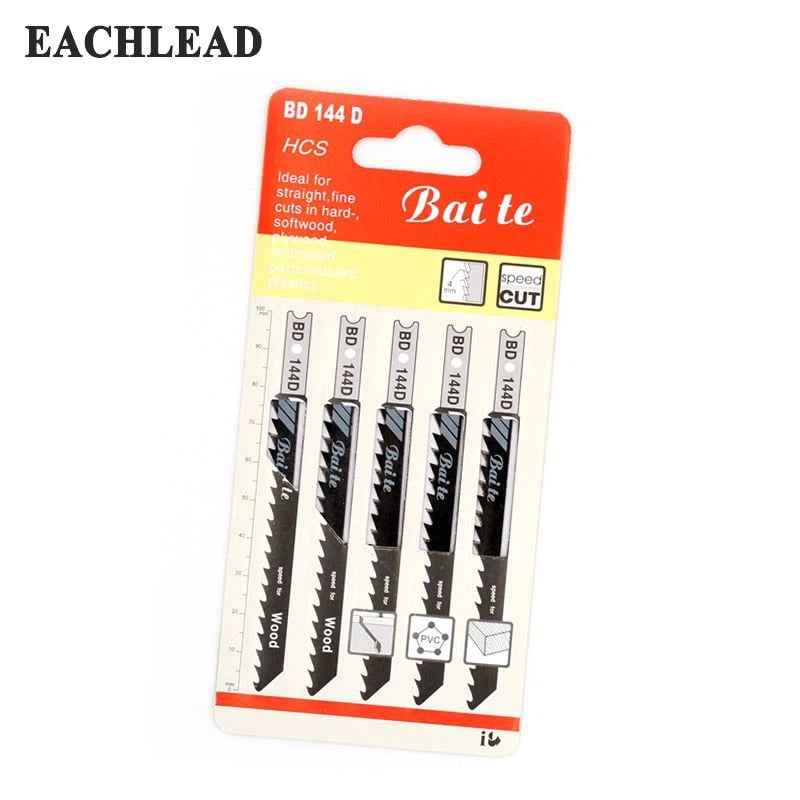
How to Choose a Reciprocating Saw Blade for Abrasive Composites is a wear problem before it is a cutting problem: mineral fillers grind teeth down stroke by stroke. Tooth material and honest substrate listings decide the pick. For the commercial path, review the carbide reciprocating saw blade category.
Part 1. What makes a composite abrasive to cutting teeth?
Composites earn the label abrasive from their fillers. Cement matrices, silica sand, glass fiber, and mineral aggregates sit inside the panel like embedded grit, and every stroke drags tooth edges across them.
Cutting resistance misleads here. Many of these panels feel easy to cut on the first pass; the damage shows up as rounded tooth tips a few cuts later, not as a stalled saw.
| Material family | Abrasive component | Wear expectation |
|---|---|---|
| Fiber cement board | Cement matrix and silica | Rapid steel-tooth rounding |
| Stucco and render assemblies | Sand aggregate over lath | Listed carbide substrate on this site |
| Resin-mineral panels | Mineral filler in resin | Varies by filler; sample test |
| Glass-fiber laminates | Glass strands | Edge abrasion plus delamination risk |
Important: Use the proper blade for the material and follow the tool instructions; see OSHA handheld saw guidance.
Part 2. How fast do standard teeth wear on these materials?
Crews report the pattern consistently: a bi-metal blade that survives a week of wood demolition loses its edge within a handful of fiber-cement cuts. The grinding contact rounds the cutting edges long before any tooth breaks.
Inspect the blade instead of guessing. Uniformly polished, rounded tips across the tooth line are the abrasion signature, distinct from the impact damage and missing teeth that the carbide vs bi-metal comparison uses to separate failure causes.
Budget accordingly. If steel teeth are chosen for occasional composite cuts, price the blades as consumables and log how many cuts each one delivers on the actual panel.
Part 3. Where does carbide genuinely fit, and where is it unproven?
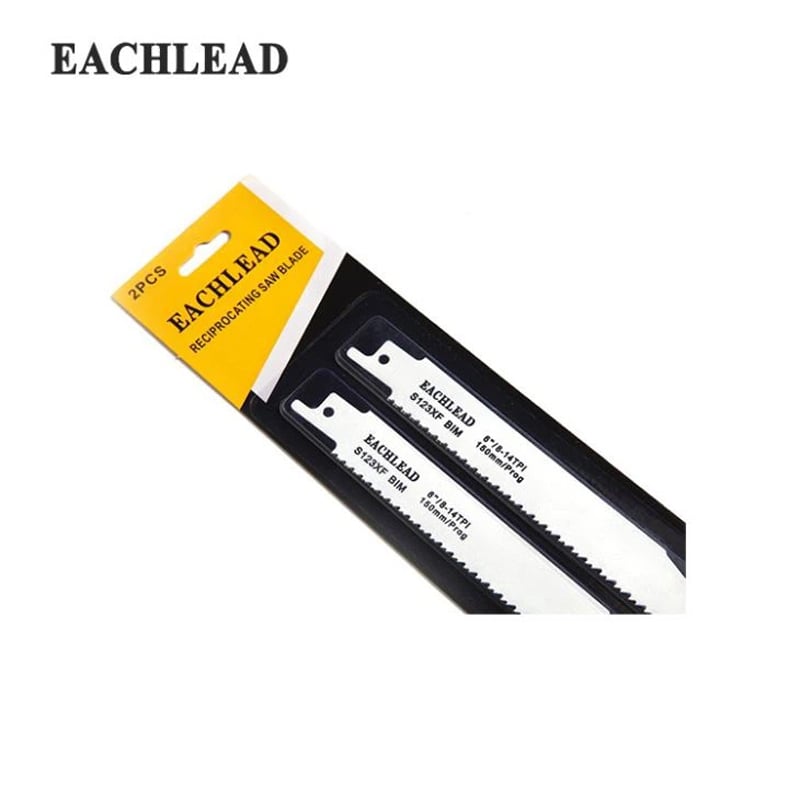
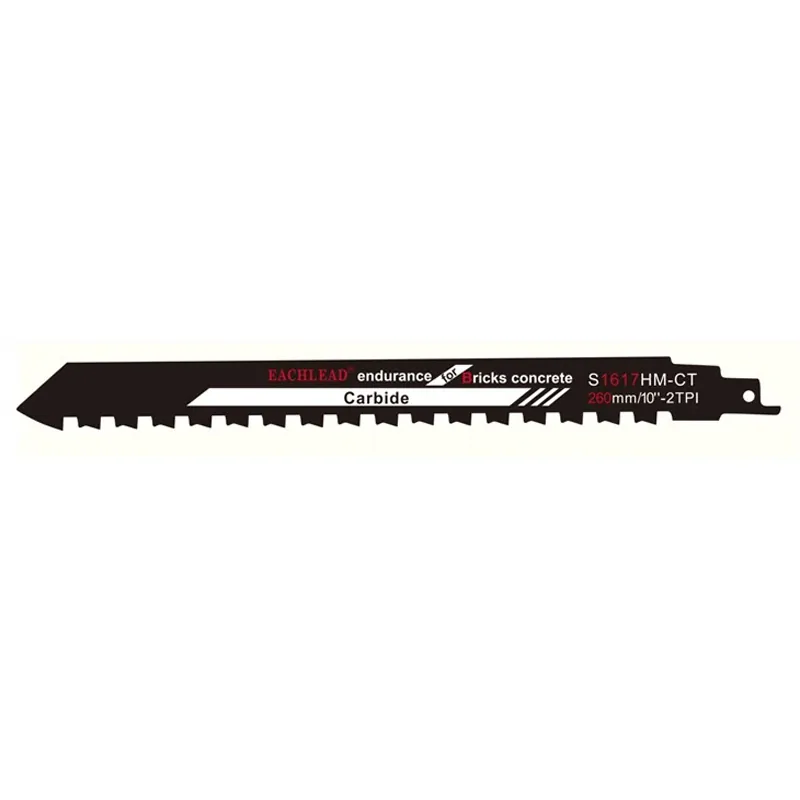
Carbide tooth material resists abrasion far better than hardened steel, which is why abrasive substrates are its home ground. On this site the claim has a printed boundary: the S1617HM and S1243HM listings name stone, block, brick, and stucco as their substrate family.
Everything outside that family is unproven until tested. Fiber cement and resin-mineral panels do not appear on the reviewed listings, so the honest path for them is a sample cut arranged through an RFQ, not a borrowed masonry claim.
| Substrate | Listing status on this site | Selection path |
|---|---|---|
| Stone, block, brick, stucco | Listed for S1617HM and S1243HM | Review the carbide product pages |
| Fiber cement board | Not on reviewed listings | RFQ plus sample test |
| Resin-mineral panels | Not on reviewed listings | RFQ plus sample test |
| Cast iron and hard metals | Different application family | See the cast iron guide |
Part 4. How should mixed assemblies with stucco be approached?
Renovation cuts rarely meet one clean material. A stucco wall section arrives as render, lath, sheathing, framing, and fasteners in one kerf, which is why the stucco listing on the carbide pages matters for tear-out work.
Sequence the cut when access allows. Scoring or removing the abrasive layer first lets a demolition blade handle the framing behind it, splitting the job between the demolition blade buying guide scenarios and the listed carbide substrates.
Metals embedded in the assembly change the family again. Hard metallic sections belong to their own selection logic, covered in the cast iron blade guide for that workpiece class.
Part 5. What dust and setup controls does this work demand?
Composite cutting produces fine mineral dust, and silica-bearing panels demand respiratory protection, extraction or wetting where the method allows, and containment of the work area. Follow the panel manufacturer’s cutting instructions and the tool maker’s guidance before the first stroke.
Support the panel close to the line. Thin boards crack from vibration, and a cracked composite edge is both a rework cost and a dust generator.
Keep the stroke steady and let the teeth work. Forcing an abrasive cut raises dust and heat without saving time, and it accelerates exactly the wear the blade choice was meant to manage.
Part 6. What belongs in an abrasive-composite RFQ?
Name the filler, not just the brand. An RFQ that states cement-and-silica board at a measured thickness, with lath and framing behind it, gives the supplier a real abrasion picture; a trade name alone does not.
Ask which listed substrate family the candidate blade belongs to, and require a sample cut on the actual panel for anything unlisted. Acceptance criteria should count cuts per blade and describe tooth condition afterward.
| RFQ field | Buyer supplies | Supplier confirms |
|---|---|---|
| Composite identity | Filler type, thickness, assembly layers | Listed substrate family |
| Cut conditions | Geometry, access, dust constraints | Tooth material and pitch candidates |
| Wear expectation | Cuts per job, consumable budget | Sample-cut plan |
| Validation | Actual panel samples and criteria | Candidate SKU and pack label |
Product recommendation: review the S1617HM carbide reciprocating saw blade where the work matches its listing. Why it fits: it is the verified carbide path for stone, block, brick, and stucco, covering the stucco side of abrasive assemblies. Why not recommend as a default: the listing does not name fiber cement or resin composites, so unlisted panels need an RFQ and a sample test first.
Fit Boundary
Buyers who can identify the filler, measure the assembly, and accept sample-based validation for unlisted substrates will get an honest selection from this workflow. It offers no wear guarantee, no unlisted-substrate claim, and no substitute for the panel maker’s cutting instructions.
Part 7. When is a reciprocating saw the wrong tool for composites?
Sheet goods with visible-edge requirements usually deserve a different tool. Fiber cement siding, for example, is commonly cut with shears or a dust-managed circular saw setup on production jobs, with the reciprocating saw reserved for tear-out and access cuts.
Let the acceptance condition decide. If the specification names edge quality and dust class, choose the process that meets them, and keep the reciprocating saw for the demolition side where it earns its keep.
To request a configuration review, send the application details to EACHLEAD: tool, holder, composite identity and thickness, assembly layers, cut geometry, current blade, observed wear, and target pack quantity.
FAQs
What counts as an abrasive composite in cutting work?
Panels and assemblies with mineral or glass fillers: fiber cement, stucco and render systems, resin-mineral boards, and glass-fiber laminates.
Why do standard blades dull so fast on fiber cement?
The cement-and-silica matrix grinds tooth edges like sandpaper. Wear arrives as rounded tips within a few cuts, not as broken teeth.
Are carbide reciprocating blades the answer for composites?
Carbide resists abrasion and is the right direction, but claims must match listings. On this site the carbide models list stone, block, brick, and stucco; other composites need a sample test.
What is listed for the EACHLEAD carbide models?
The S1617HM and S1243HM pages list tungsten carbide teeth at 12 inch / 300 mm for stone, block, brick, and stucco. Quote those substrates exactly.
How should dust be handled when cutting abrasive panels?
Follow the panel maker’s instructions: respiratory protection, wetting or extraction where the method allows, and containment. Silica dust is a health hazard, not a housekeeping issue.
When should a different tool be used instead?
When edge quality or dust class is specified, production siding work often moves to shears or dust-managed circular setups, leaving the reciprocating saw for tear-out.
What should an abrasive-composite RFQ include?
Filler type, measured thickness, assembly layers, cut geometry, dust constraints, consumable budget, and a sample-cut acceptance test on the actual panel.