


What Should an Electric Planer Blade Replacement RFQ Include?
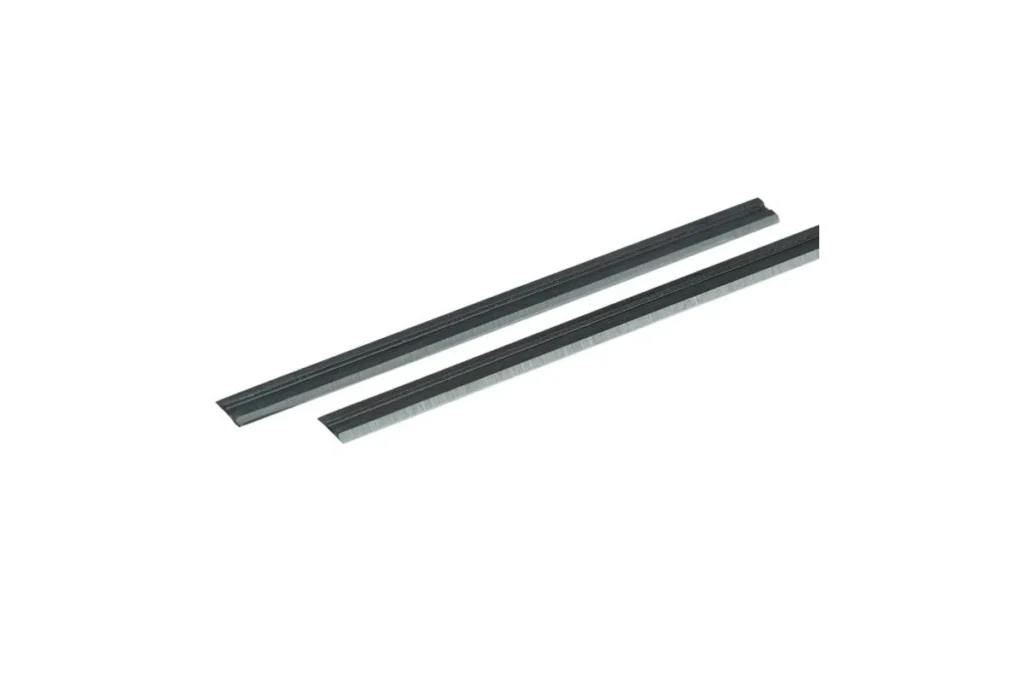
An electric planer blade replacement RFQ is reliable when each line describes a specific knife configuration and the evidence behind it. Use the Planer Blades category after the RFQ fields have been completed.
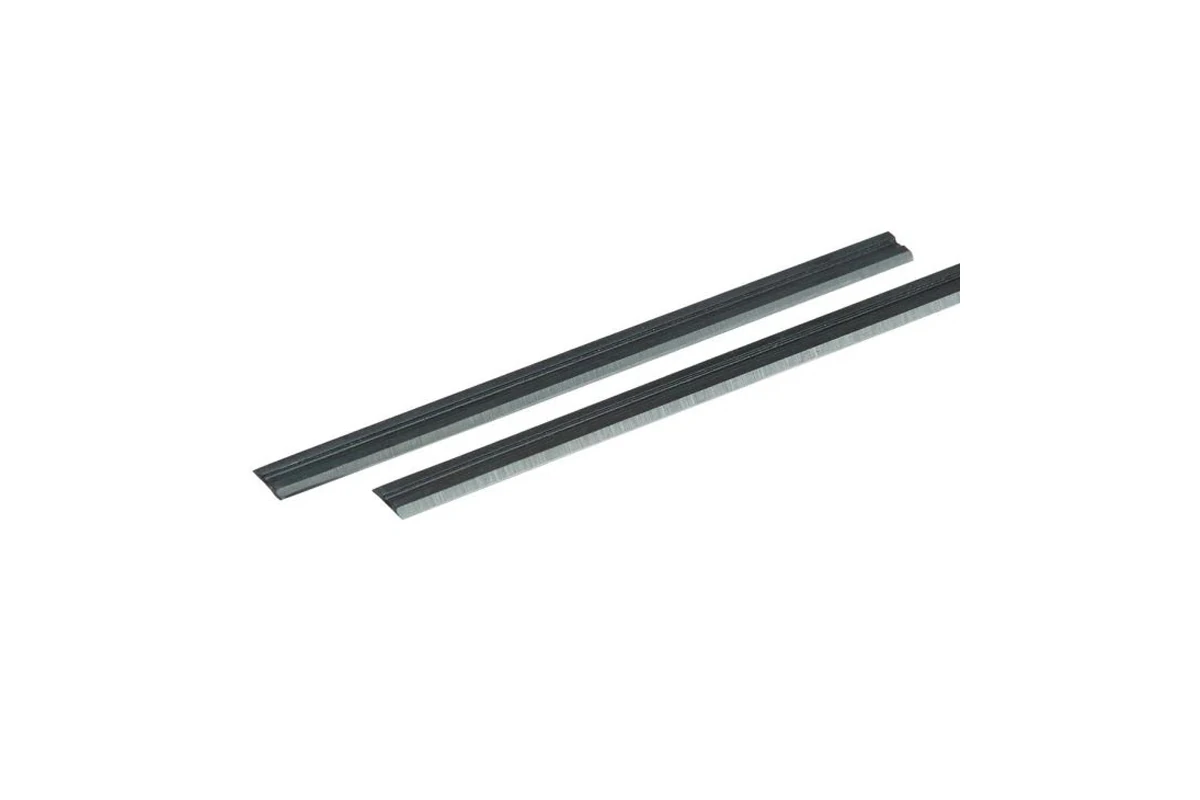
Two supporting guides cover replacement blade measurement and single versus double-edge ordering.
Important: A replacement RFQ cannot substitute for safe machine isolation. Secure the electric planer before recording knife dimensions or retention details. (OSHA machine guarding overview)
Turn each replacement need into a separate quote line
Create a separate line whenever blade geometry, edge form, or cutterhead changes. This makes a quotation reviewable and prevents one broad description from hiding incompatible knife sets.
Attach machine and cutterhead evidence
Include the equipment reference, a clear cutterhead photo, and any drawing or prior approved sample. Note modifications or uncertainty instead of assuming a model string resolves them.
| Field | Record | Purchasing impact |
|---|---|---|
| Length, width, thickness | Measured reference knife | Determines whether the knife can seat correctly |
| Holes or slots | Count, diameter, and spacing | Determines retention and alignment |
| Edge form | Straight or reversible reference | Keeps the quote tied to the installed geometry |
State dimensions and retention features precisely
Write length, width, thickness, hole count, hole diameter, and spacing where relevant. Say whether the measurement came from the installed knife, a drawing, or the cutterhead seat.
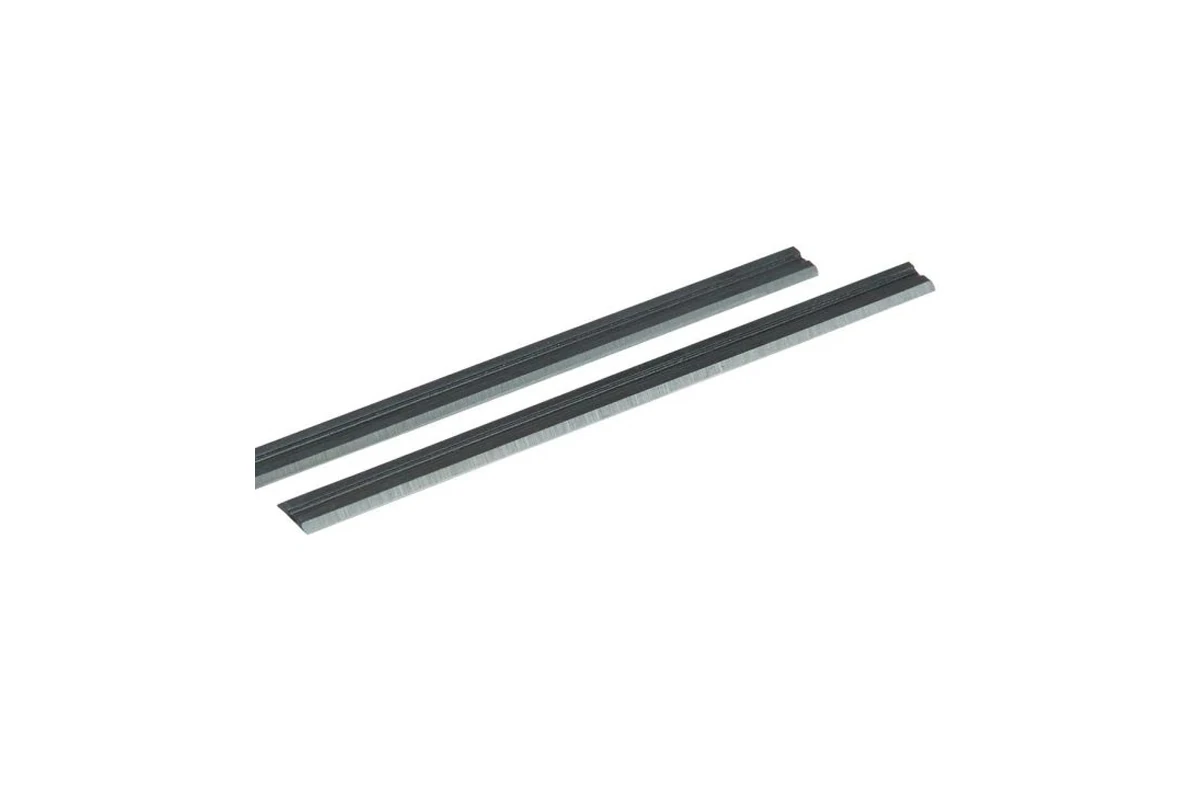
Explain the requested edge and operating context
Identify the edge style, label, workpiece, and reason for the replacement. This lets application information guide the review without presenting an unverified performance promise.
Specify quantities and receiving controls
Distinguish a trial set from the wider order, give packaging and label requirements, and state how the first receipt will be compared with the approved reference.
| Buyer should provide | Why it is needed | Common omission |
|---|---|---|
| Cutterhead photo or drawing | Establishes the mounting reference | Sending only a model nickname |
| Measured geometry | Lets the supplier compare the configuration | Leaving out thickness or hole spacing |
| Trial and carton quantity | Separates first inspection from wider release | Treating a sample request as full approval |
Review a listed family after the RFQ is complete
Once the line item is fully documented, buyers can examine the listed T318A thicknesser blade page. A listed product family should be matched to evidence, not used as an automatic substitution.
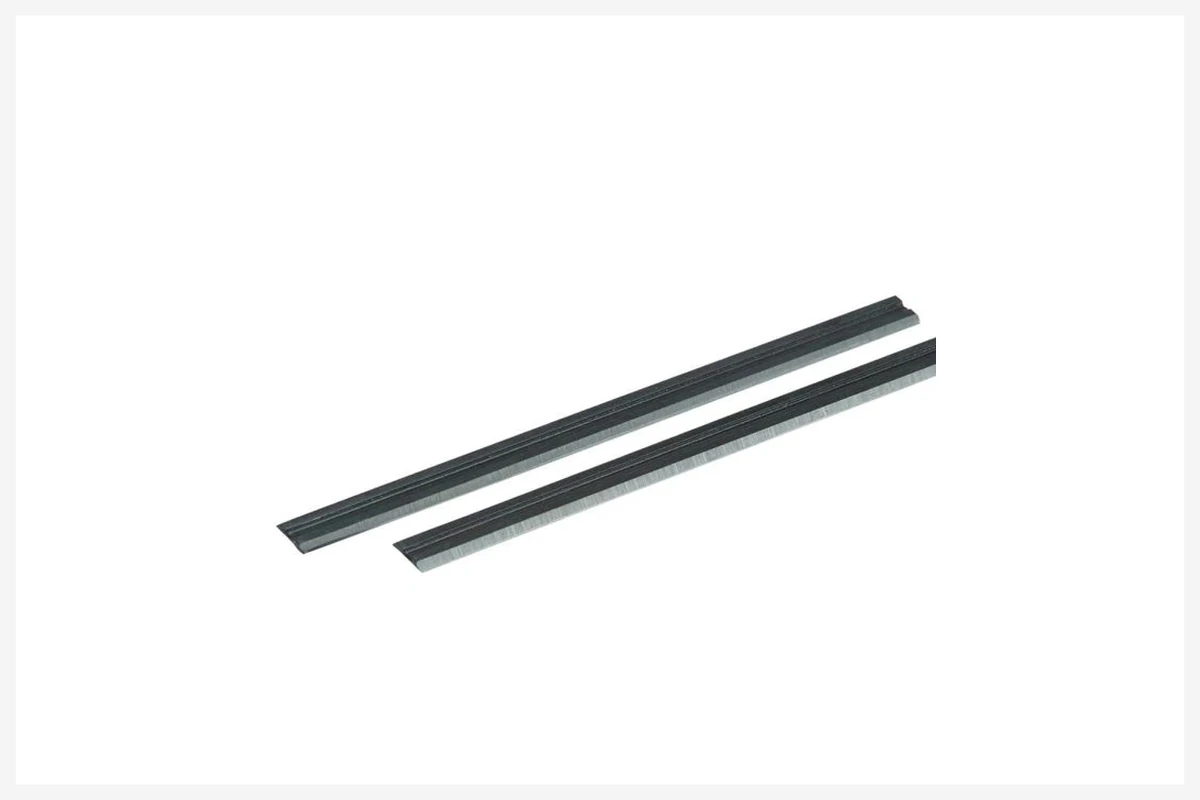
Product recommendation: the listed planer blade family is a useful product-page review after the buyer has recorded the cutterhead and line-item fields.
Close with an approval and deviation record
Approve the drawing, sample, and packing mark before a broader release. If the first inspection finds a difference, document it for correction rather than silently changing the specification.
For an unresolved quote line, contact EACHLEAD with the drawing, measurement source, packing requirement, and inspection point.
FAQs
What identifies one electric planer blade RFQ line?
One line should represent one cutterhead and one defined knife configuration, including the geometry and retention features.
Should an RFQ include a cutterhead photo?
Yes. A clear photo supports the drawing and measurements and helps expose an unusual hole pattern or slot.
Which dimensions matter to a replacement quotation?
At minimum, state length, width, thickness, and any holes or slots that affect retention and alignment.
How should buyers describe edge style?
State the installed edge form and whether the request is for a straight or reversible knife, then confirm it against the reference sample.
Is a trial quantity different from the full order?
Yes. Record the trial quantity and its inspection method separately so sample approval is not confused with a larger release.
What if an RFQ field is unavailable?
Send the available photo, drawing, or reference knife and request clarification before treating a quote as technically approved.