


What Does TPI Mean on a Jigsaw Blade?
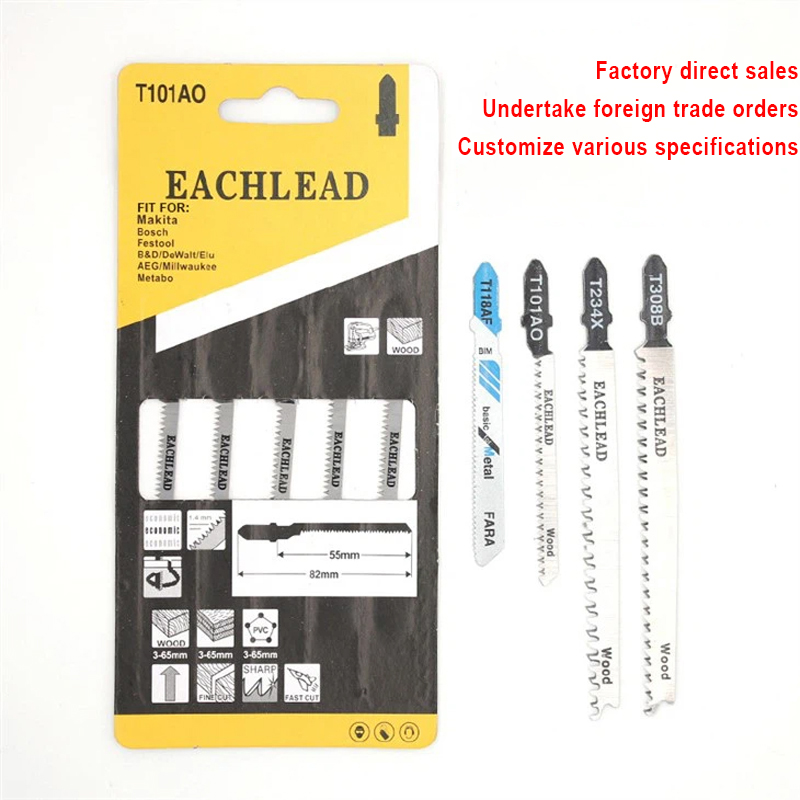
TPI on a jigsaw blade means teeth per inch—the number of cutting teeth in one inch of blade length. It is the first field buyers use to sort speed, finish, and material fit, but it only works when paired with shank type, blade length, and support. See the Jigsaw Blade category overview for the full product line.
Part 1. What does TPI measure on a jigsaw blade?
TPI counts the teeth along the cutting edge per inch. It is a density label, not a brand promise or a guaranteed finish grade.
Important: TPI and length labels do not replace shank verification or safe setup per the CPSC power-tool safety guidance.
Part 2. How does TPI change cut speed and edge quality?
More teeth usually mean a slower but cleaner cut in many materials; fewer teeth remove stock faster but can leave a rougher face if support is weak.
| TPI direction | Typical effect on cut | Common buyer goal |
|---|---|---|
| Higher TPI | Slower feed, cleaner edge in thin stock | Finish face or panel work |
| Lower TPI | Faster removal | Rough sizing or thick softwood |
| Mid TPI | Balanced shop use | General mixed tasks |
Part 3. Which TPI bands fit wood, metal, and panels?
Wood, metal, and laminate each have practical TPI ranges. The correct value depends on thickness and whether the show face must stay clean.
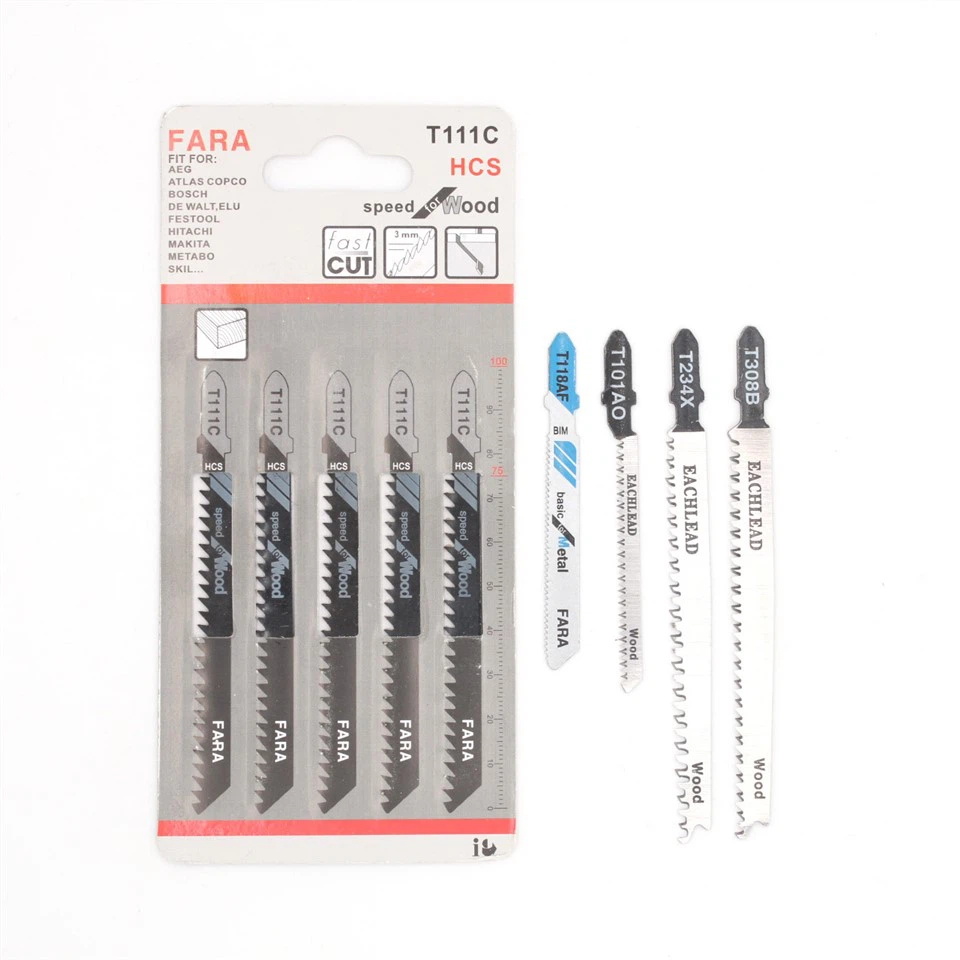
For wood finish planning, cross-check how to choose jigsaw blade teeth for clean wood cuts after you identify the TPI band.
| Material | TPI planning question | Setup note |
|---|---|---|
| Softwood / plywood | Finish vs speed | Support near cut line |
| Non-ferrous sheet | Burr and heat control | Steady feed |
| Laminate / panel | Chip control | Masking and backer board |
Part 4. Why do two blades with the same TPI cut differently?
Tooth set, body material, coating, and blade stiffness change performance even when the printed TPI matches.
| Same TPI, different result | Why it happens | What to check |
|---|---|---|
| Rough edge | Weak support or forced feed | Clamps and feed rate |
| Slow progress | Material too thick for band | Coarser TPI or different body |
| Early wear | Wrong body material | Match metal vs wood class |
Part 5. How should distributors label TPI on packs and RFQs?
Clear TPI labeling reduces returns when buyers confuse tooth count with shank type or blade length.
| Label field | Minimum content | Why it matters |
|---|---|---|
| TPI or TPI range | Numeric band | Prevents wrong SKU picks |
| Material intent | Wood, metal, panel | Sets buyer expectation |
| Shank type | T-shank, U-shank, special | Stops clamp returns |
Part 6. Which blade families help buyers test TPI choices?
Assorted packs can support trial programs once the primary material and shank are documented.
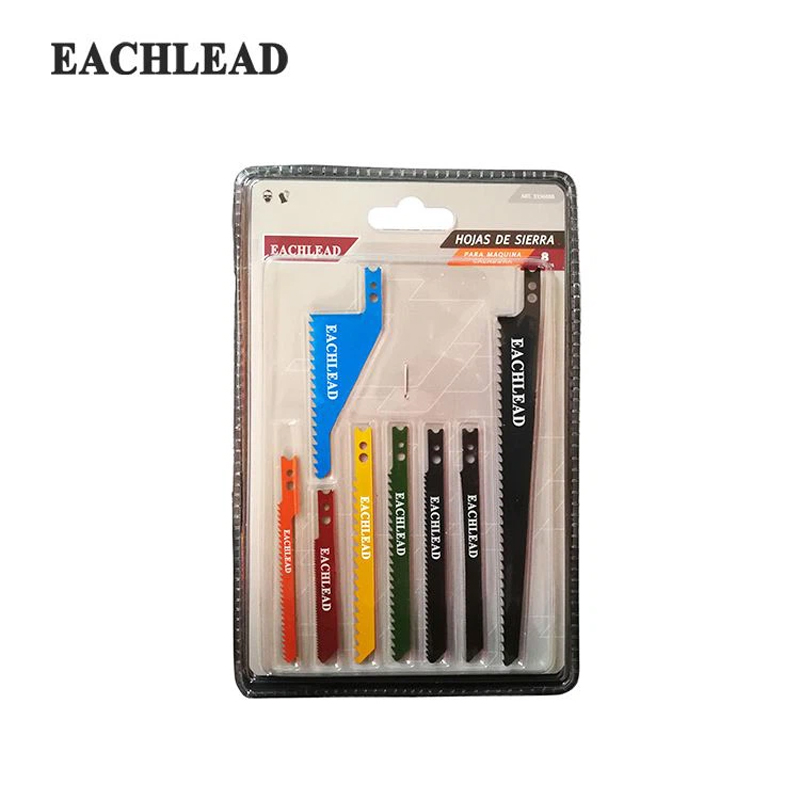
Product recommendation: review the 8PCS Jigsaw Blade Precision Made Multi-Functional Design only after the RFQ fields in this article are documented. Target URL: /product/8pcs-jigsaw-blade-precision-made-multi-functional-design/; natural anchor: 8PCS Jigsaw Blade Precision Made Multi-Functional Design.
Fit Boundary
This workflow fits teams that can verify shank type, material, and cut depth before ordering. It is not sufficient when the buyer needs a guaranteed result without sample testing.
Why not recommend as a default: do not recommend this SKU when the buyer needs one fixed TPI for a single material line without documenting the primary application.
Part 7. What mistakes come from reading TPI alone?
Splintering, burning, and slow progress often trace to setup or the wrong blade class—not the number on the pack by itself.
To compare EACHLEAD blades for a program or OEM pack, send the material list and finish requirement. Review jigsaw blade products after inputs are defined.
FAQs
What is a good TPI for plywood with a jigsaw?
Higher TPI bands are often used for cleaner plywood edges, but support and feed rate still matter. Test on scrap of the same thickness.
Does higher TPI always mean a better cut?
Higher TPI usually favors finish in many materials, but it can slow cutting and increase heat if the stock is thick or feed is forced.
How is TPI measured on a jigsaw blade?
Count the teeth within one inch along the cutting edge using the manufacturer’s labeling convention. Use that number as a sorting field, not the only spec.
Can I use the same TPI for wood and metal?
Some ranges overlap in light duty, but metal and wood usually need different tooth forms and body materials even when TPI looks similar.
Why do catalogues list TPI ranges instead of one number?
A range reflects the tooth pitch across the usable cutting zone or mixed-pack labeling. Buyers should confirm the exact SKU label.
How does TPI relate to fine-tooth and coarse-tooth labels?
Fine-tooth usually means the upper TPI band for a material; coarse-tooth means the lower band. See the fine-tooth vs coarse-tooth jigsaw blades comparison for context.
What should a distributor ask before stocking by TPI?
Ask for primary material, thickness range, shank mix, and whether buyers need finish quality or removal speed.