


What Should a Distributor Record for Planer Blade Storage and Handling?
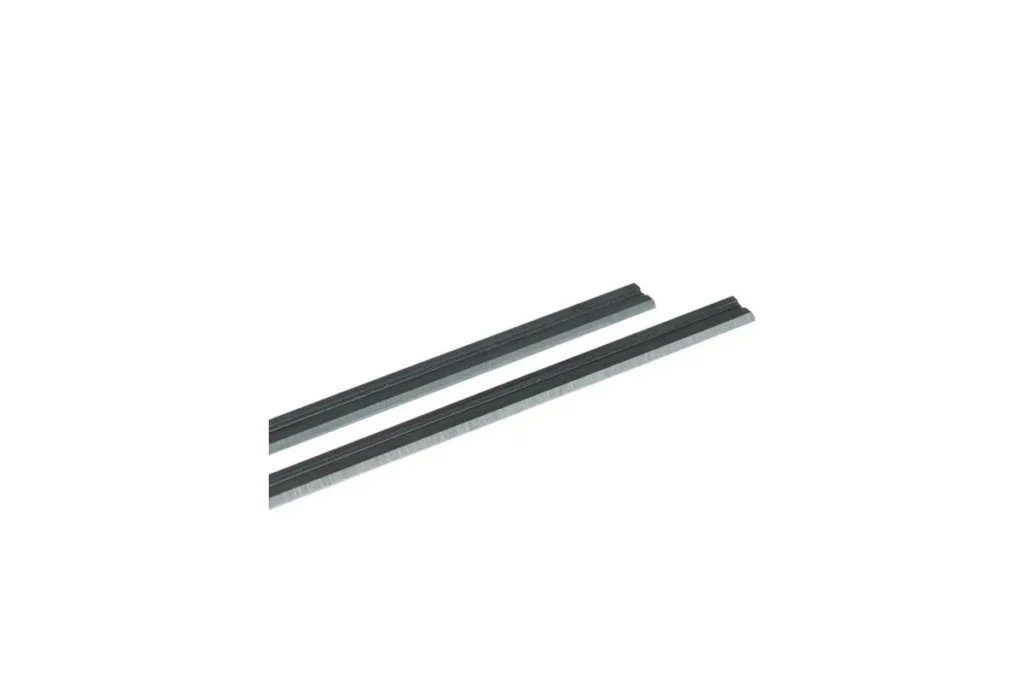
Planer blade storage and handling records help a distributor keep an identified SKU connected to its receiving evidence and release decision. Start from the Planer Blades category only after the product line is documented.
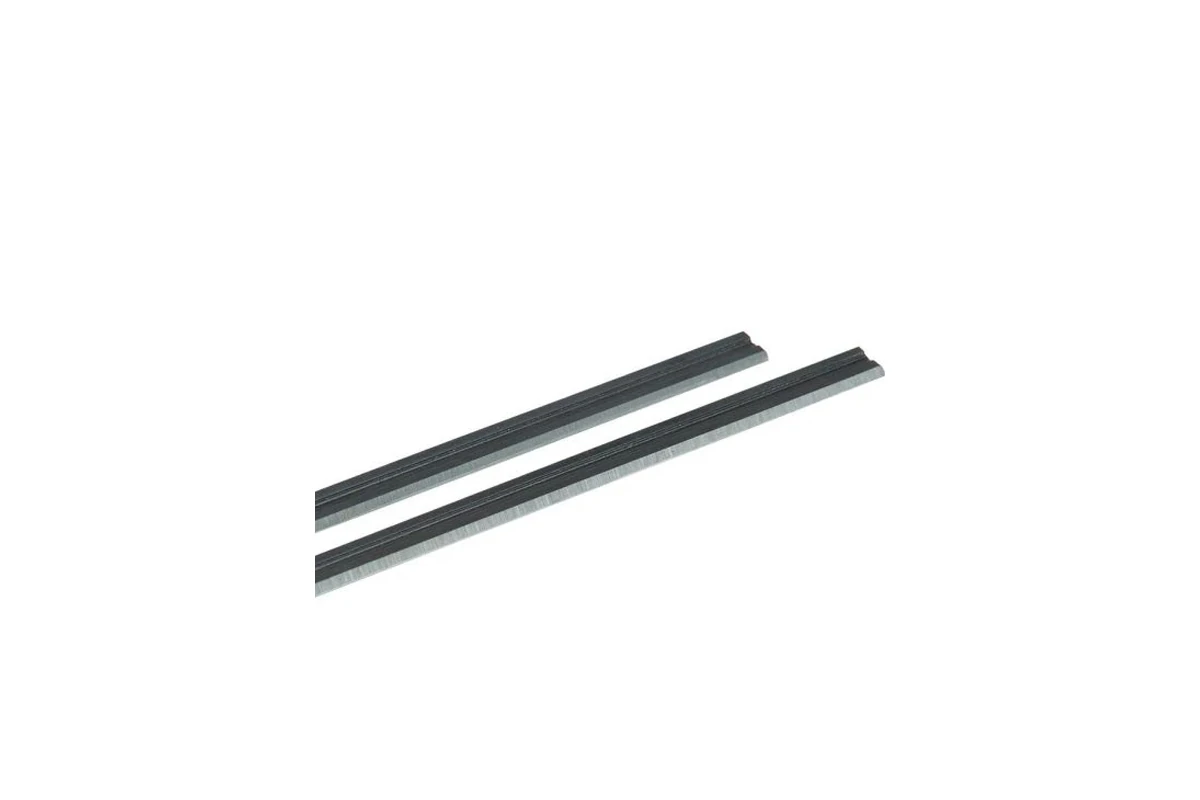
This distributor control complements planer blade receiving inspection and defined set or single-knife ordering.
Important: Storage documentation does not authorize cutterhead access; isolate the equipment before any installed-knife inspection. (OSHA machine guarding overview)
Connect storage to a defined SKU
Record the item identifier, received configuration, and the order or receiving reference before the knives enter a storage location. A general description cannot preserve the distinction between similar-looking configurations.
Use protective separation as a handling control
Keep each recorded line in a manner that avoids untracked contact between knife edges and unrelated items. The record should describe the controlled storage method without claiming a specified service result.
| Storage record field | Distributor evidence | Why it matters |
|---|---|---|
| SKU identity | Item identifier and receiving reference | Keeps similar-looking lines distinguishable |
| Handling method | Controlled separation note | Connects the item to a documented workflow |
| Location state | Storage or movement entry | Supports later traceability |
Retain neutral visible-condition observations
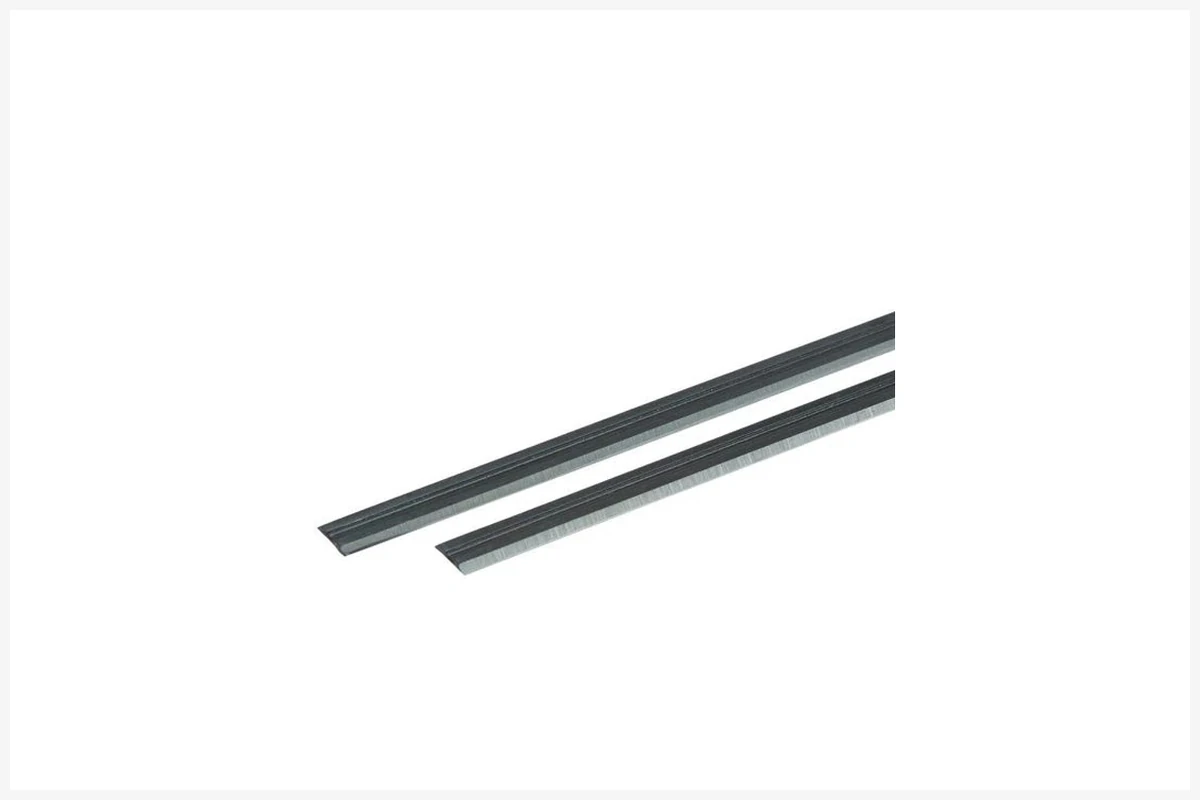
At receiving and release, retain photos or notes about observable condition and the associated SKU. Describe what is seen rather than predicting edge life, finish quality, or future application performance.
Track location and movement
Record the storage location, movement date, and responsible workflow step so that a distributor can reconnect a released item to its incoming record when a question arises.
Prepare procurement inputs for replenishment
When replenishing, provide the exact SKU record, prior order reference, documented configuration, quantity, and any unresolved receiving observation instead of relying on a broad blade category.
| Procurement input | What to provide | Why it is needed |
|---|---|---|
| SKU identity | Previous order and item reference | Connects replenishment to the recorded line |
| Configuration evidence | Drawing, photo, or retained measurement | Keeps a broad category from replacing a specific item |
| Release question | Quantity and unresolved observation | Focuses supplier clarification |
Use a listed family as a product-context check
The listed HCS sharpening planer blade family may help frame a product inquiry after the distributor’s record is complete. It does not define storage conditions or confirm fit for every buyer.
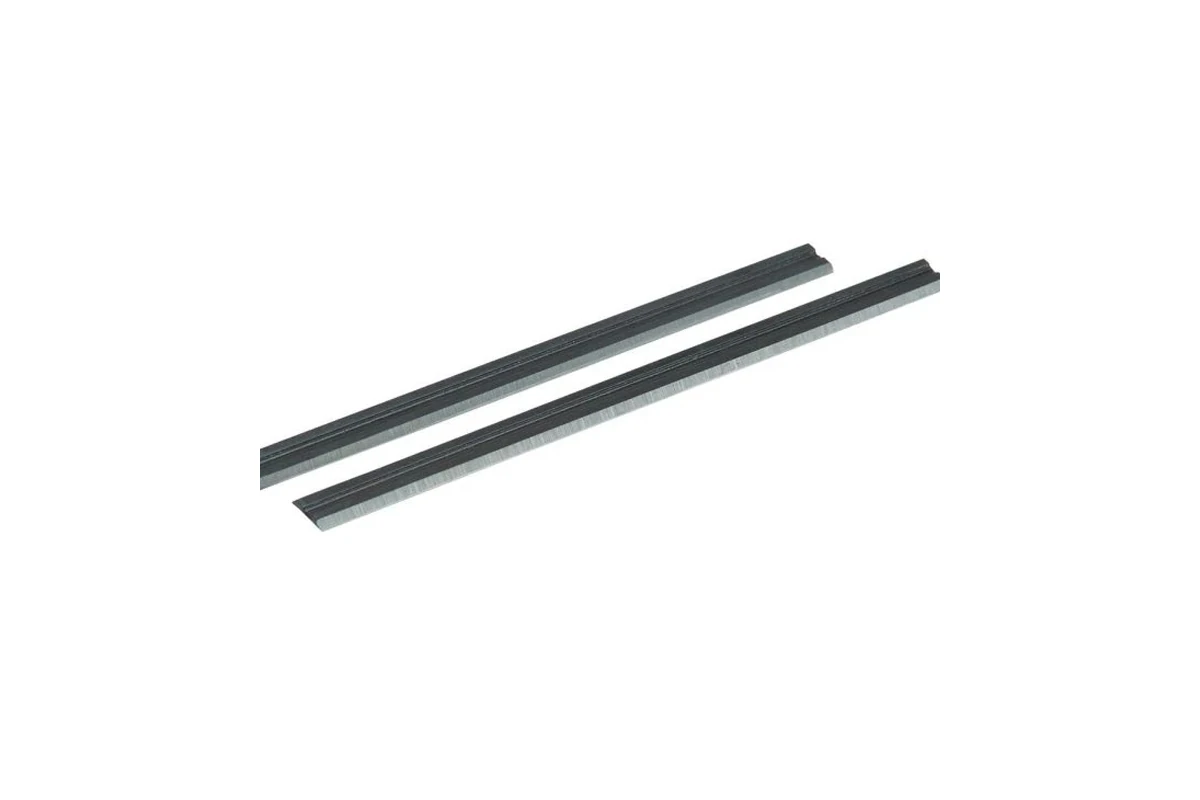
Product recommendation: review the listed planer blade family only after the buyer record is complete.
Release only against the recorded line
Before release, compare the item identifier and available record to the intended order line. Escalate an unknown configuration rather than silently substituting a similar-looking knife.
For replenishment or a release question, send EACHLEAD the distributor record with the SKU, order reference, configuration evidence, and quantity.
FAQs
Why does a distributor need a storage record for planer blades?
It keeps the received configuration, visible-condition notes, and later release decision traceable to the same SKU.
What should identify the stored line?
Use the internal SKU together with the order or receiving reference and the documented knife configuration.
Should storage notes promise blade condition or life?
No. Record the observable condition and handling control without making an unverified performance claim.
What should be checked before release?
Compare the item identifier and documented configuration with the intended order line, then flag any unresolved difference.
Which details help a replenishment inquiry?
Provide the SKU, previous order reference, configuration evidence, quantity, and the specific question needing review.
Can a listed product page replace the storage record?
No. A product page provides family context, while the distributor record identifies the received and released line.
References
- Planer blade measurement guide: context for retaining a configuration record alongside a stored line.
- HSS planer blade fitment tables: background for distinguishing configuration fields in a distributor record.
- OSHA machine guarding overview: safe-access context when a storage question leads to an installed inspection.