


What Should a Distributor Record When Sorting Jigsaw Blade SKUs?
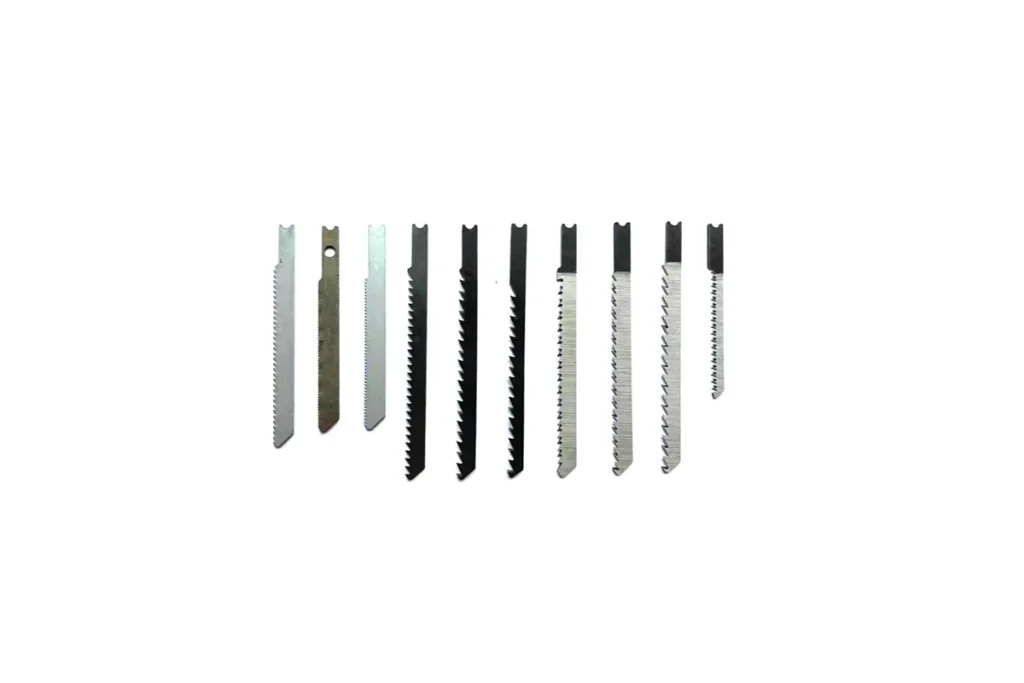
A jigsaw blade SKU sorting record helps a distributor connect a received line to its visible configuration and later release decision. Use the Jigsaw Blade category after the distributor’s line record is defined.
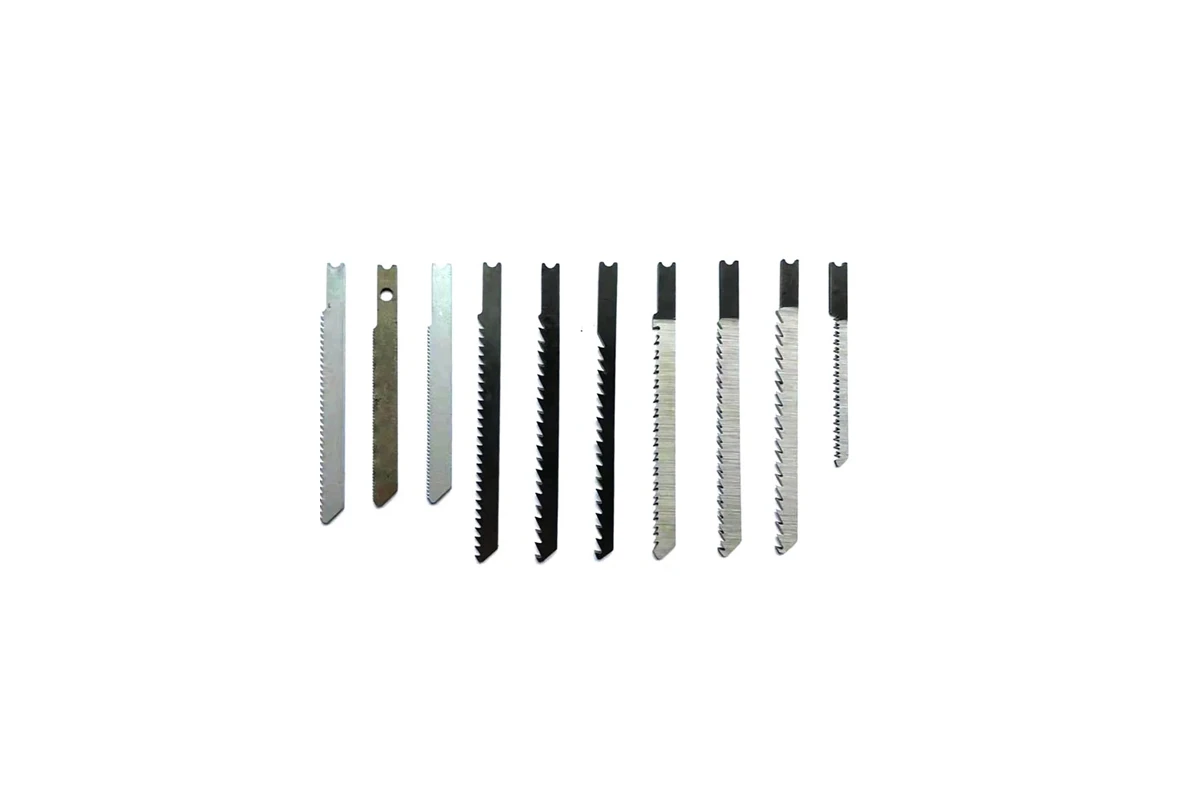
For adjacent controls, see jigsaw blade trial records and jigsaw blade sample-cut records.
Important: A sorting record does not authorize tool access; follow the applicable guarding procedure before examining a blade in a holder. (HSE work-equipment guidance)
Assign one record to one line
Use an internal SKU together with the order or receiving reference. Similar-looking blades should not be grouped into one record without documented configuration evidence.
Record observable configuration fields
Retain the blade marking, shank reference, visible tooth pattern, length reference where available, and any packaging or receiving identifier. Do not infer an unobserved field.
| Sorting field | Distributor evidence | Why it matters |
|---|---|---|
| SKU identity | Item and receiving reference | Connects the record to one stock line |
| Visible configuration | Marking, shank, tooth or length reference | Distinguishes similar-looking blades |
| Location state | Sorting or storage entry | Supports later traceability |
Link sorting to receiving evidence
Keep incoming quantity, photos or notes, and the item identifier together while sorting. This allows a later question to be traced to the received line.
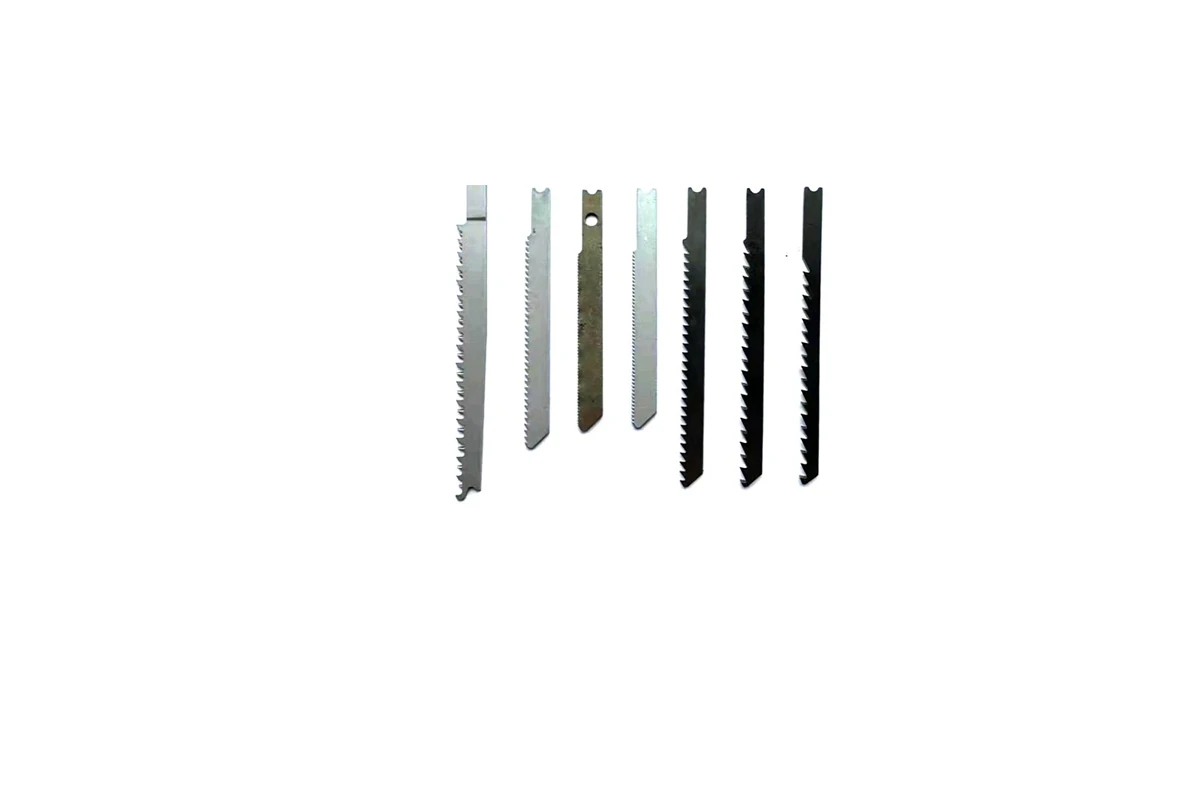
Separate inventory identity from application claims
A distributor SKU can identify a stock line without promising that it fits every holder or performs the same way in every workpiece or tool.
Assemble the next stock review record
For a replenishment discussion, provide the SKU, previous order reference, visible configuration evidence, requested quantity, and any unresolved field. This supports a specific RFQ rather than a broad category request.
| Procurement input | What to provide | Why it is needed |
|---|---|---|
| SKU reference | Item and previous order detail | Connects the request to the stock line |
| Configuration evidence | Photo, marking, or receiving record | Defines what is being replenished |
| Review scope | Quantity and unresolved field | Keeps the request specific |
Use the listed page as a reference point
The listed U118AF metal-cut jigsaw blade page can provide context after the distributor record is assembled. It does not replace the distributor’s received-line evidence.
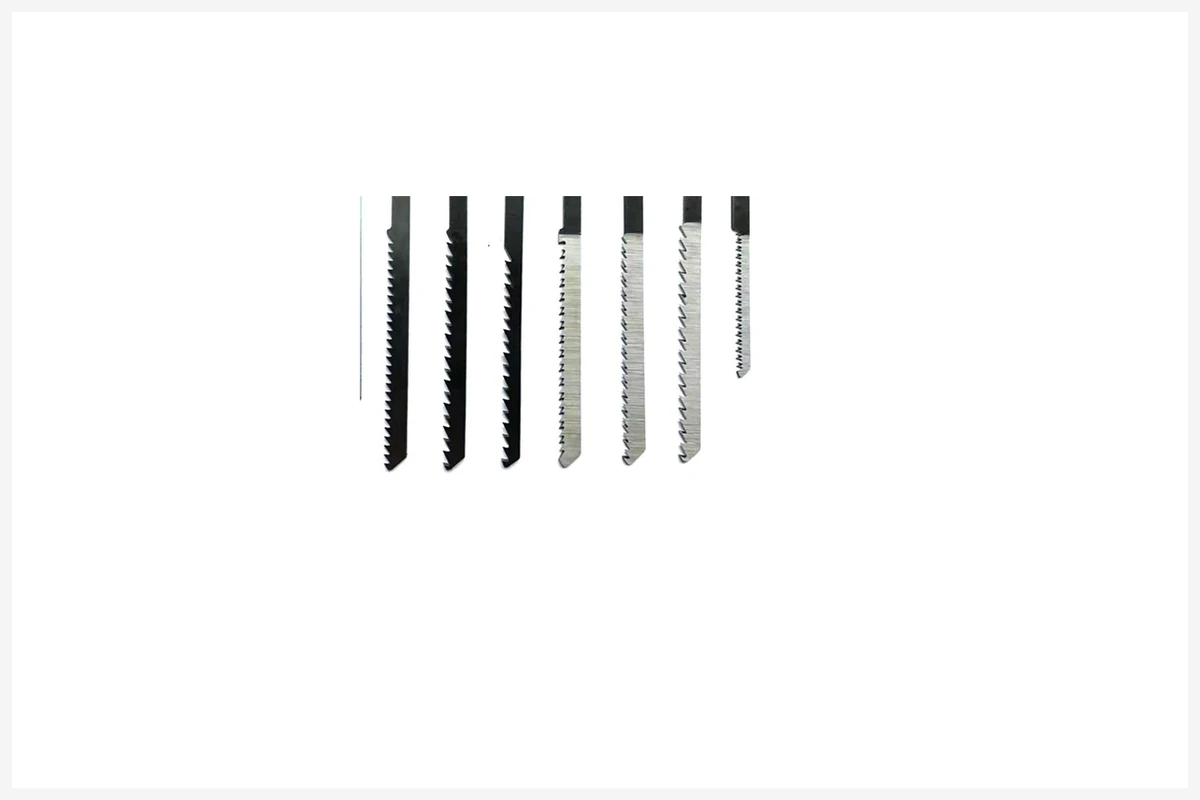
Product recommendation: review the listed jigsaw blade family after the record is complete.
Release against the documented line
Before release, compare the intended line with its SKU and available evidence. Escalate an unknown difference rather than silently substituting a similar-looking blade.
For a distributor replenishment question, send EACHLEAD the SKU record with item evidence, order reference, and quantity.
FAQs
Why use a separate SKU sorting record?
It keeps the received line, visible configuration, and later release decision connected.
Which fields identify a jigsaw blade SKU?
Use the internal SKU, order reference, blade marking, shank evidence, and available receiving identifier.
Can visually similar blades share a record?
Not without evidence that their relevant configuration fields are the same.
Does a SKU record guarantee holder fit?
No. It controls inventory identity and does not make a universal fit claim.
What belongs in a replenishment RFQ?
Include SKU, prior order reference, configuration evidence, quantity, and the point that needs confirmation.
What should happen when a line is unclear?
Hold the question for clarification instead of substituting an unverified item.
References
- HSE woodworking guidance: context for controlled work with power-tool accessories.
- HSE work-equipment guidance: record and control context for distributor workflows.
- OSHA machine guarding overview: guarding context if a stock question involves a holder inspection.