


What Should a Buyer Record in a Jigsaw Blade Sample Cut for Sheet Metal?
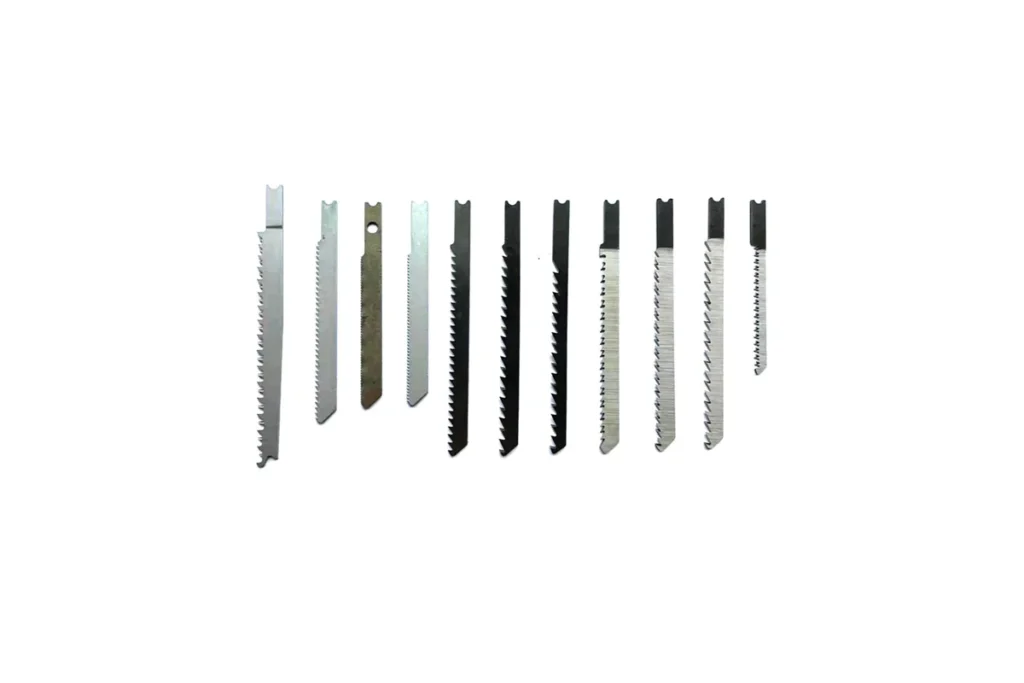
A jigsaw blade sample-cut record makes a sheet-metal sourcing discussion specific without turning a trial into a universal performance claim. Use the Jigsaw Blade category after the tool, blade, and material evidence has been retained.
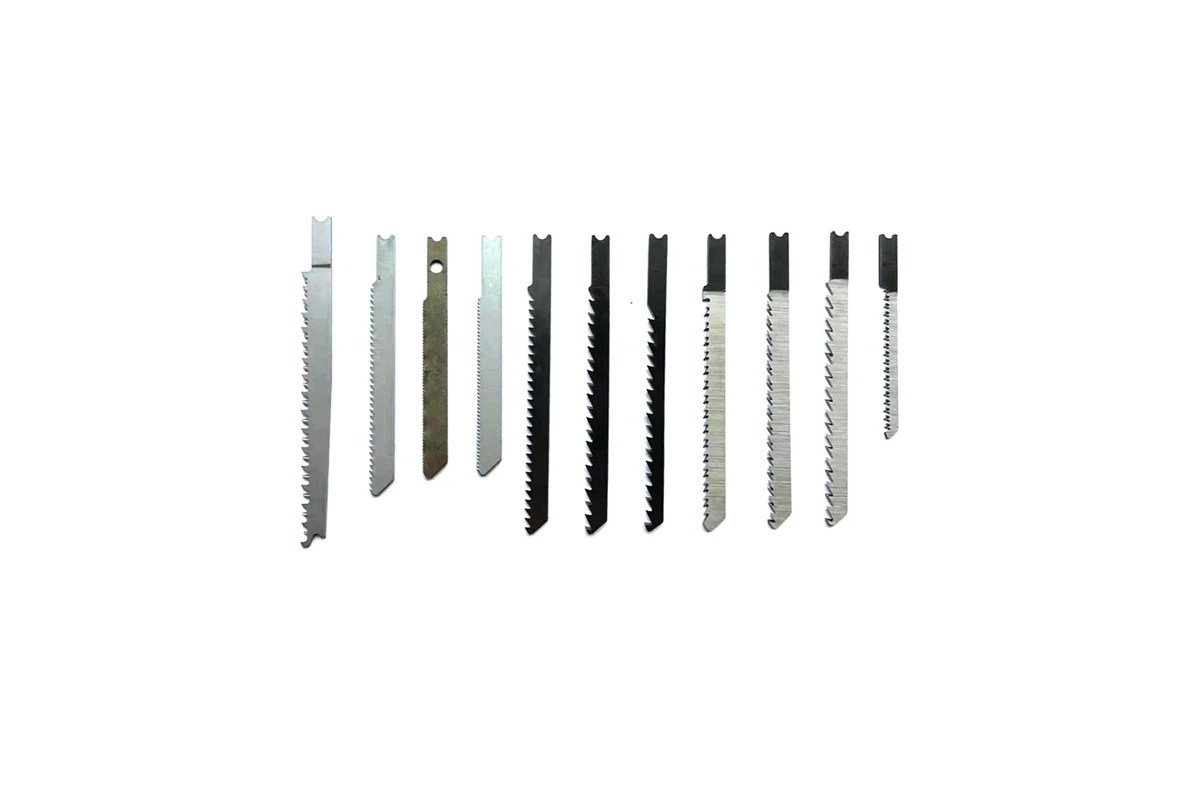
For adjacent selection inputs, see T-shank jigsaw blade types and what TPI means on a jigsaw blade.
Important: Before recording a sheet-metal trial setup, stop the tool and follow its applicable guarding procedure. (OSHA machine guarding overview)
Identify the exact sample
Record the blade identifier, shank interface, visible tooth pattern, and the tool or holder reference used for the trial. Do not infer equivalence from a general metal-cutting description.
Describe the sheet material without overclaiming
Retain the buyer’s material description, sheet thickness record if available, finish or coating note, and any condition that affected the trial. The record documents the sample; it does not certify a material application.
| Trial record field | Buyer evidence | Why it matters |
|---|---|---|
| Blade identity | Item or visible blade marking | Connects the observation to a specific line |
| Tool interface | Holder or shank reference | Avoids a generic fit assumption |
| Workpiece record | Sheet description and condition note | Defines the scope of the observation |
Keep the tool interface in the same record
Document the holder type, observed blade seating, and relevant setup reference. Similar-looking blades may have different shank or mounting details.
Write neutral observations
Record what was observed during the controlled trial, including the workpiece, visible result, and whether a question remains. Avoid converting one sample outcome into a promise of cut quality or blade life.
Prepare RFQ inputs from the evidence
Provide the sample blade identity, tool interface, workpiece description, photo or drawing evidence, requested quantity, and the precise sourcing question. This gives a supplier an auditable starting point.
| RFQ input | What to provide | Avoid |
|---|---|---|
| Sample evidence | Blade and tool interface record | Using an application term alone |
| Sheet record | Material description and trial observation | Assuming every sheet behaves the same |
| Review scope | Quantity and exact question | Turning a sample into a universal claim |
Use the listed product page as context
The listed U118AF metal-cut jigsaw blade page can support a product-family discussion after the sample record is complete. It does not guarantee suitability for every sheet, tool, or setup.
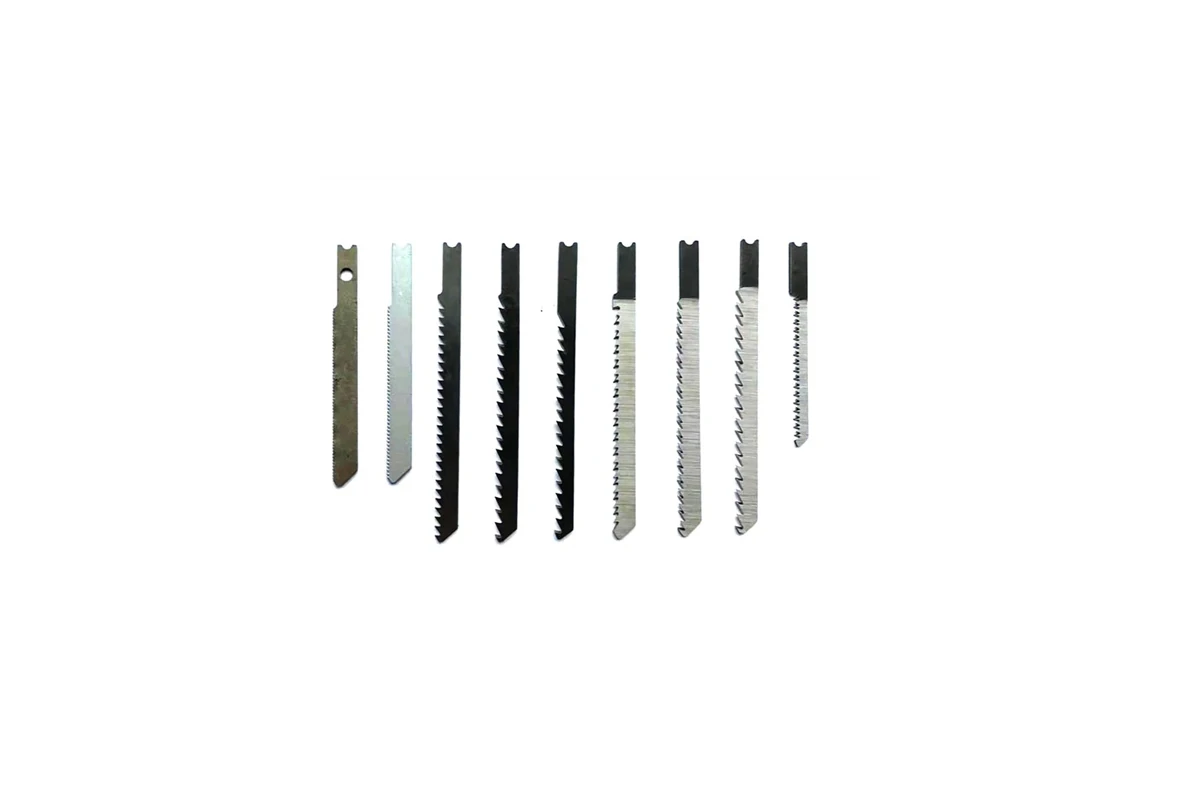
Product recommendation: review the listed jigsaw blade family after the buyer record is complete.
Decide the next review step
If a critical field is unknown, request clarification or conduct an appropriately controlled follow-up check rather than treating the first sample as a final specification.
For a sheet-metal trial question, send EACHLEAD the sample record with blade, holder, workpiece evidence, and quantity.
FAQs
What should identify a jigsaw blade sample?
Record the specific blade, its shank interface, the tool or holder reference, and the workpiece used.
Does one sample cut prove general sheet-metal suitability?
No. It records an observed trial under stated conditions and does not guarantee broader performance.
Why retain the tool interface?
The interface links the trial to the actual holder and avoids an unsupported fit assumption.
Which workpiece details help a sourcing discussion?
Provide the material description, thickness record where available, finish or coating note, and trial observation.
What belongs in a sample-cut RFQ?
Include blade identity, tool interface, workpiece record, evidence, quantity, and the exact question needing review.
When should the buyer seek another check?
Seek clarification when an essential field is missing or the sample evidence does not support the intended decision.
References
- HSE work equipment guidance: context for documenting a sheet-metal trial.
- HSE woodworking guidance: general blade and holder review context.
- OSHA machine guarding overview: tool-guarding context for a safe record process.