


What Should a Jigsaw Blade Assortment RFQ Include?
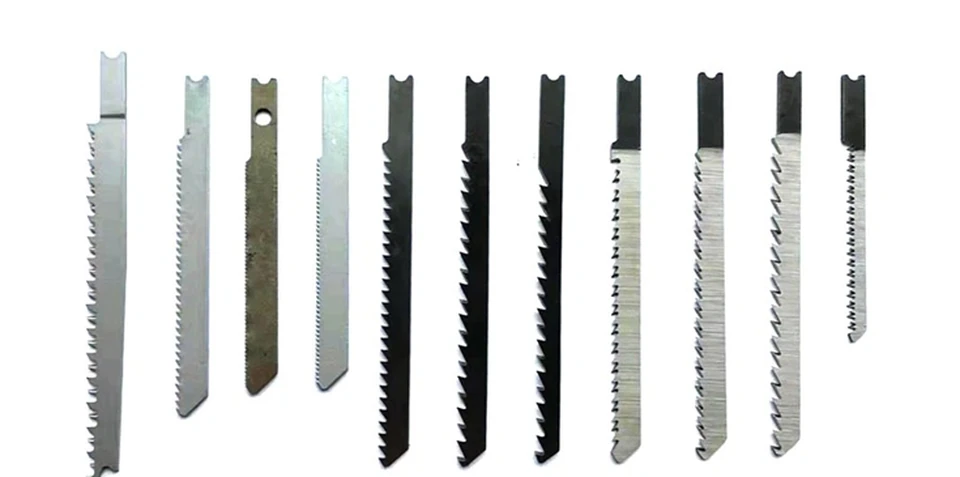
An assortment RFQ becomes easier to compare when it describes the supplied blade references line by line. The goal is not to turn a mixed sample group into a universal selection claim. The goal is to make each visible item, buyer requirement, and unanswered point traceable.
- FAQs
Part 1. Start with the purpose of the assortment
State why the buyer is sending a mixed group. It may be a request to identify supplied samples, to compare a distributor’s working list, or to ask for a quotation against controlled references. The purpose statement helps a supplier answer the actual enquiry instead of treating a photo as a purchase approval.
Assign one file identifier and date to the collection. If some items are unavailable for inspection, list them as absent rather than recreating their features from memory.
Part 2. Give every line a buyer reference
Use a neutral line reference such as A-01, A-02, and A-03. Attach a photo, a buyer SKU, a drawing revision, or a sample label to each line when available. Avoid merging two blades solely because they appear similar in one image.
The jigsaw blade SKU sorting record can help organize received items before they enter the RFQ. Its role is sorting evidence, not confirming a product configuration.
Part 3. Group visible differences without claiming fit
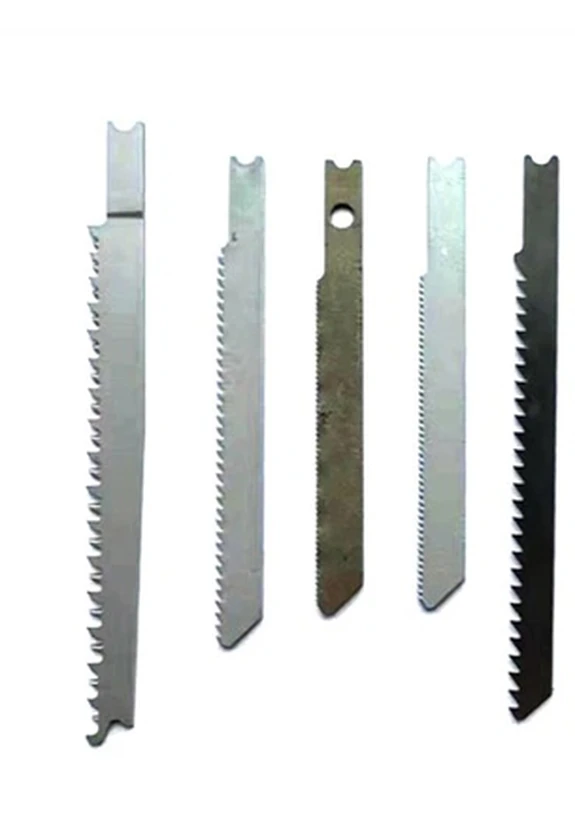
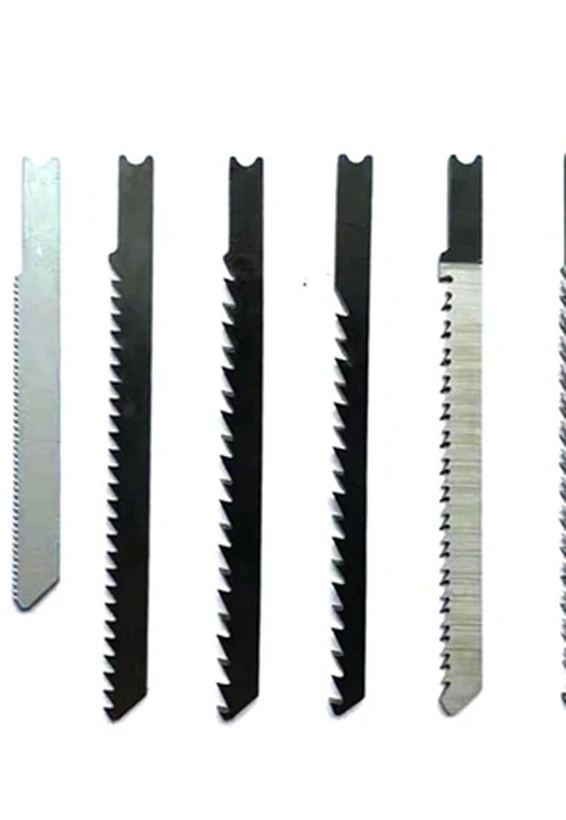
Record visible differences in plain terms: marked text, overall outline, a visible hole, a shank-end profile, or a tooth-area appearance. Put “not stated” beside material, dimensions, or holder information that the supplied record cannot show.
Important: Any observation related to powered equipment must remain within the applicable safe-use process. HSE work-equipment guidance is a general safety reference, not an instruction for inspecting a particular tool or blade.
Part 4. Keep quantity context separate from availability
Add the buyer’s anticipated quantity context only to explain the quotation request. A requested count may be a sample quantity, a comparison quantity, or an annual planning estimate. It does not establish inventory, a minimum order, or a delivery commitment.
Where the quantity basis is unsettled, say what decision remains open. This makes it possible for the supplier to clarify the quotation basis without being asked to infer a commercial condition.
Part 5. Build the assortment RFQ table
Keep buyer evidence and requested supplier responses in adjacent columns. A response can then identify the exact line it addresses and highlight information that is still needed.
| RFQ field | Buyer input | Supplier clarification requested |
|---|---|---|
| Assortment line | Unique line reference and source image | Confirm which line was reviewed. |
| Visible profile | Observed shank, hole, or body note | Identify any missing configuration evidence. |
| Marked text | Exact transcription or “not legible” | Confirm what additional source is required. |
| Quantity context | Buyer planning context | Reply to the stated quotation scope only. |
| Requested documents | Drawing, photo list, or sample note | State which inputs remain needed. |
For marked drawing fields, the drawing markup RFQ check gives a separate method for recording revision control and open annotations. Do not use either record to make an unstated fit claim.
Part 6. Route the enquiry without selecting a configuration
The Jigsaw Blades category can provide product-family context once the line record is ready. It should not be read as proof that a pictured or listed blade is the buyer’s requested item.
Submit the evidence through Contact Us with the line table, source files, and question list. Ask for clarification against those specific fields before treating the collection as an approved assortment.
FAQs
Can one photo identify an entire blade assortment?
One photo can support an overview, but it may not show every marking, dimension, or shank feature. Give each item its own reference and mark missing views as open.
What is a useful assortment line reference?
A simple buyer-controlled code paired with a source photo, sample label, or drawing revision is enough. The code should stay stable through supplier clarification.
Should a buyer group blades by application names?
Application words can be a buyer’s request context, but they should not replace visible identification fields. Keep an application description separate from product confirmation.
Does a requested quantity prove availability?
No. It states the buyer’s quotation context only. Availability, commercial terms, and delivery need separate supplier confirmation.
Can a supplier quote an incomplete assortment list?
The supplier can identify what was reviewed and what is absent. The record should preserve unresolved lines rather than presenting them as complete.
Which documents should travel with the RFQ?
Include the line table, source photos or drawings, date and revision information, quantity context, and the open-question list. This gives each reply a documented basis.