


What Stops Laminate Chipping on a Jigsaw Cut?
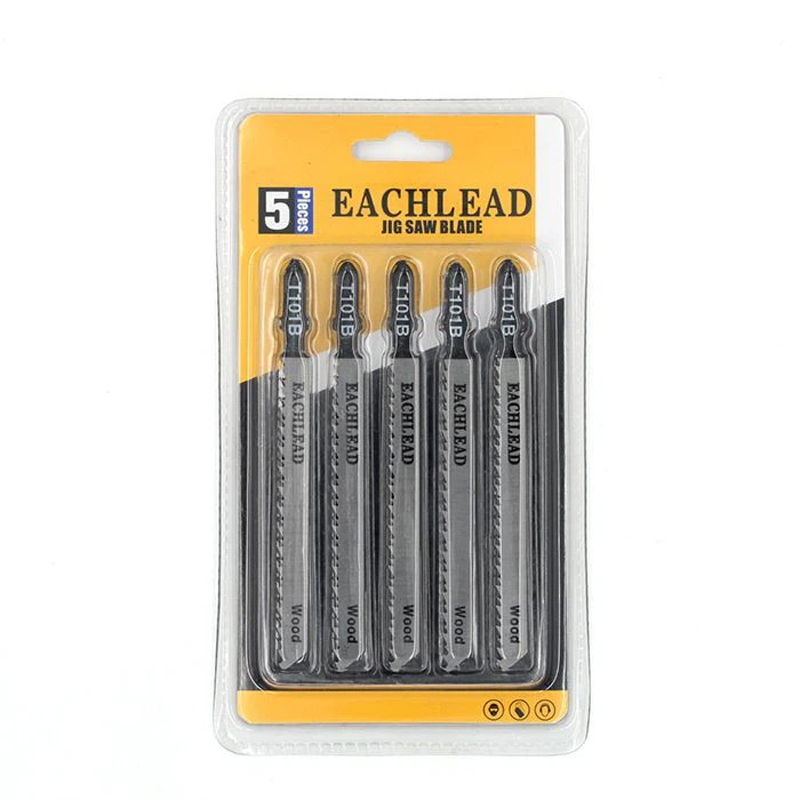
Chipping when cutting laminate with a jigsaw usually comes from unsupported fibers, wrong tooth direction, or forced feed—not from one magic blade label. Control the show face, tooth style, TPI, and setup before changing tools. See the Jigsaw Blade category overview for related SKUs.
Part 1. What causes laminate chipping with a jigsaw?
Chipping happens when unsupported surface fibers tear out on the exit side of the stroke.
Important: Laminate chip control depends on setup and accessory choice per the CPSC power-tool safety guidance.
Part 2. Which blade choices reduce chip-out?
Reverse-tooth, higher-TPI, and laminate-rated blades are common starting points once the show face is defined.
| Blade factor | Chip-control role | Weak fit |
|---|---|---|
| Reverse-tooth | Top-face chip reduction in some setups | Rough fast cuts |
| Higher TPI | Cleaner edge | Thick heavy removal |
| Laminate-rated SKU | Documented material intent | Generic wood blade |
Part 3. How does show-face orientation change the setup?
The face that must stay clean decides tooth direction, masking, and backer placement.
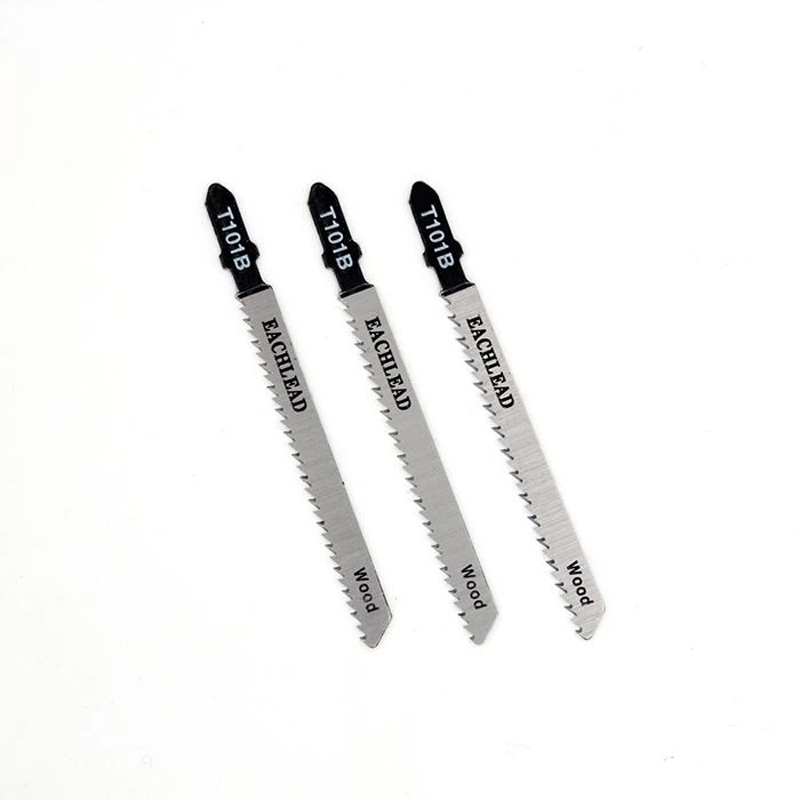
Compare reverse-tooth vs standard jigsaw blades for laminates before changing tooth direction.
| Show face | First setup step | Blade question |
|---|---|---|
| Top face visible | Mask and support | Reverse-tooth candidate |
| Bottom face visible | Backer on top | Standard tooth may work |
| Both faces visible | Scrap test | Higher TPI and slow feed |
Part 4. What workholding steps reduce chipping?
Backer boards, masking tape, and clamping near the line reduce tear-out more reliably than blade changes alone.
| Workholding step | What it prevents | Skip risk |
|---|---|---|
| Backer board | Exit-side blowout | Chip on show face |
| Clamp near line | Vibration | Wandering chip |
| Masking tape | Surface splinter | Visible tear-out |
Part 5. How do feed rate and orbital action affect finish?
Forced feed and high orbital action can tear delicate laminate surfaces even with a suitable blade.
| Control | Symptom if ignored | First correction |
|---|---|---|
| Feed rate | Snag and chip | Slow feed |
| Orbital action | Surface tear | Reduce per manual |
| Blade sharpness | Rough wall | Replace blade |
Part 6. Which blade specs belong in a no-chip RFQ?
Buyers should list laminate type, thickness, show face, cut geometry, and shank type.
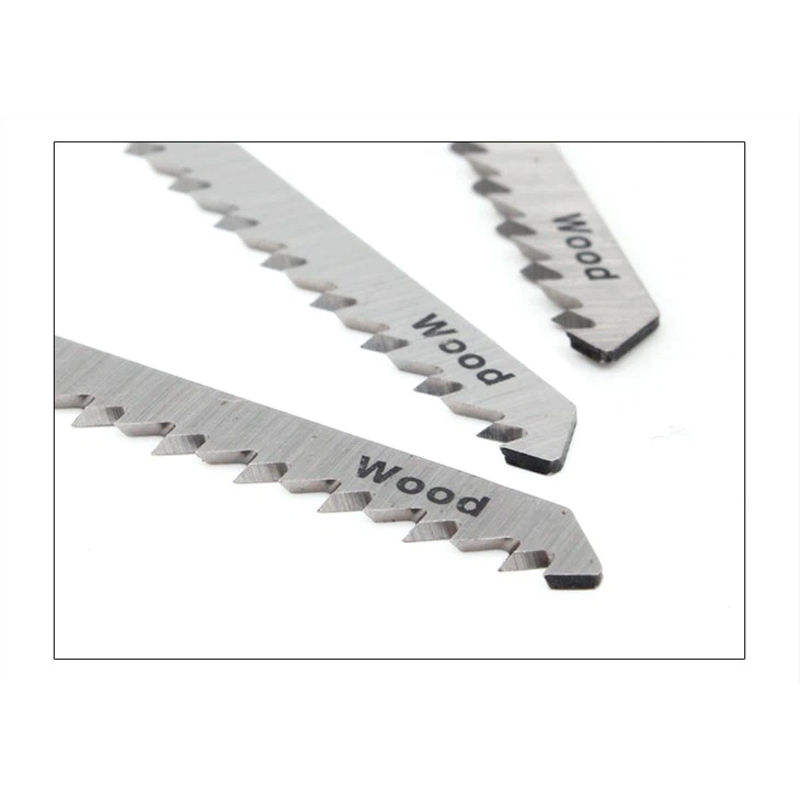
Product recommendation: review the T101B Saw Blade for Cutting Laminate only after show face and support method are documented. Target URL: /product/t101b-saw-blade-for-cutting-laminate/; natural anchor: T101B Saw Blade for Cutting Laminate.
Fit Boundary
Fits teams that can test on scrap laminate before production cuts. Not sufficient when zero-chip output is required without verification.
Why not recommend as a default: do not recommend this SKU for metal cutting, rough demolition lumber, or projects that require a verified zero-chip guarantee without on-site testing.
Part 7. What troubleshooting order saves time in the shop?
Check support and tooth direction before replacing the blade or blaming quality.
To compare EACHLEAD laminate blades for a program or OEM pack, send the material list and finish requirement. Review jigsaw blade products after inputs are defined.
FAQs
Why does my jigsaw chip the top of laminate?
The top face is often the exit side for standard upward-cutting teeth. Use support, masking, or a reverse-tooth blade if the top face must stay clean.
Do I need a special blade to cut laminate?
A laminate-rated or reverse-tooth blade can help, but setup and show-face planning still matter.
Will masking tape stop laminate chipping?
It can reduce surface splintering on some panels, but backer support and tooth choice remain important.
Should I use orbital action on laminate?
Many operators reduce orbital action for finish-sensitive laminate cuts. Follow the tool manual and test on scrap.
What TPI is best for laminate with a jigsaw?
Higher TPI bands are common for cleaner edges, but tooth direction and support decide the outcome.
Can the same blade cut laminate and solid wood?
Some blades cover mixed shop use, but laminate finish work often needs a narrower SKU once chip control is required.
What should I record when a laminate blade still chips?
Record show-face orientation, support method, TPI, tooth style, feed rate, and whether orbital action was reduced.