


Which Reciprocating Blade Fits Aluminum Cutting Work?
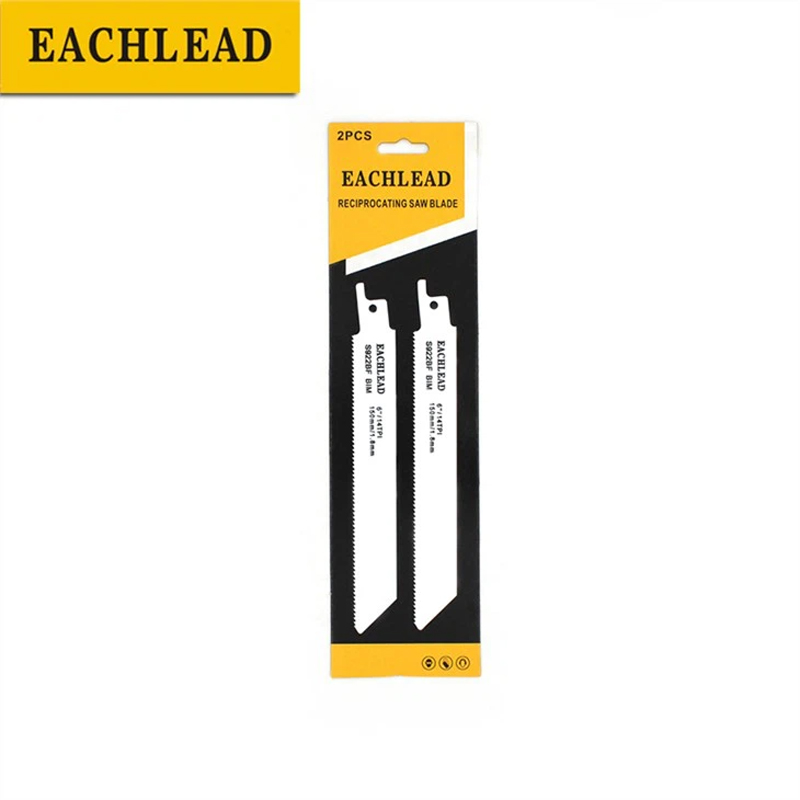
How to Choose a Reciprocating Saw Blade for Aluminum starts with the profile, wall thickness, and chip behavior, not with the word “metal” on a package. Record the holder, alloy section, dimensions, access, and required edge before comparing blade families. For the commercial path, review the bi-metal reciprocating saw blade category.
Part 1. What makes aluminum behave differently under a reciprocating blade?
Aluminum is softer than steel, but that softness creates its own failure modes: gummy chips that pack the gullets, thin walls that grab teeth, and edges that tear instead of shearing. Blade selection therefore centers on tooth pitch, chip clearance, and workpiece support rather than raw hardness.
Extrusions add a second complication. A hollow profile presents two thin walls in sequence, so the blade enters and exits an interrupted cut on every stroke, which multiplies snagging opportunities.
| Aluminum decision input | Why it matters | What to record |
|---|---|---|
| Section type | Sheet, extrusion, and bar cut differently | Profile drawing or photo |
| Wall thickness | Sets minimum engaged teeth | Measured wall, not nominal |
| Alloy and temper | Softer alloys smear and clog more | Alloy code if available |
| Edge requirement | Deburring effort varies by pitch | Rough cut or finished edge |
Important: Use the proper blade for the material and follow the tool instructions; see OSHA handheld saw guidance.
Part 2. Which TPI range suits aluminum sections and sheet?
Trade guides generally place aluminum in a middle tooth-count band: enough teeth that at least three stay engaged in the wall, but enough gullet volume that soft chips can escape before they weld to the tooth face. Very fine pitches built for hard thin steel can load up quickly in soft alloys.
Treat published ranges as test ranges rather than model specifications. Confirm the pitch against your measured wall using the reciprocating blade TPI decision guide, then validate on offcuts of the actual profile.
Where a job mixes aluminum with steel fasteners or wood framing, a variable-pitch bi-metal blade is the usual compromise candidate. The metal types selection guide explains how family and pitch interact across workpieces.
Part 3. How do blade length and body affect an aluminum cut?
Choose the shortest blade that clears the section through the full stroke. Extra length adds flex, and a flexing blade wanders in soft material, leaving an angled face that needs rework.
Body thickness matters as well. A stiffer body resists deflection in straight cuts across wide sheet, while a narrower body helps if the cut path must curve around a flange or corner radius.
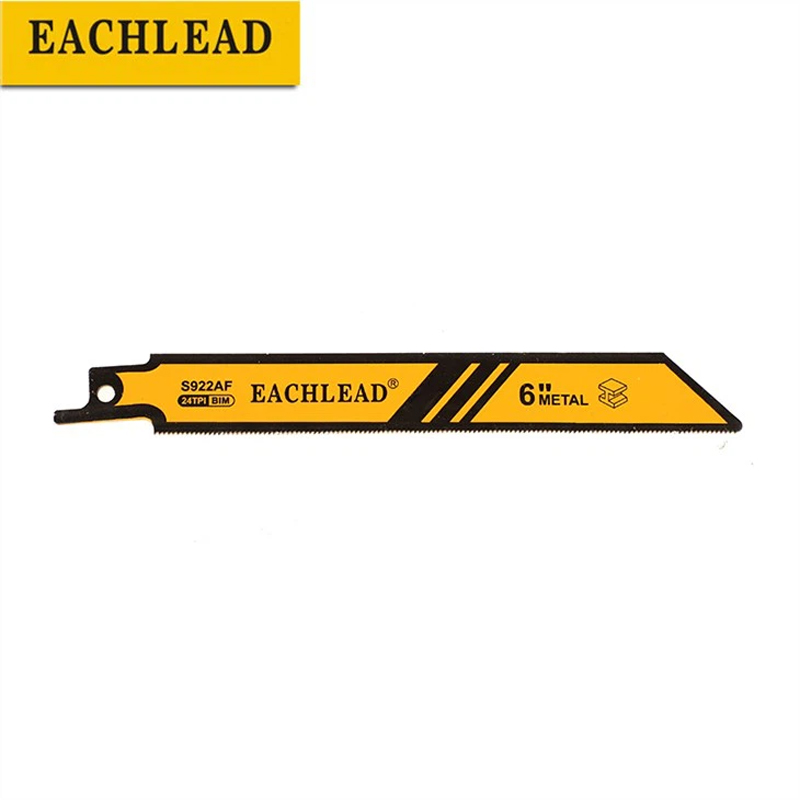
| Field symptom | Likely category | First correction |
|---|---|---|
| Chips packed in gullets | Pitch too fine or no lubricant | Coarser test pitch; add cutting wax |
| Wall grabs and bangs | Too few engaged teeth | Finer pitch; support the wall |
| Angled cut face | Overhang and body flex | Shorter, stiffer blade |
| Torn exit edge | Unsupported exit wall | Back up the exit side |
Part 4. What setup keeps chips clearing and edges clean?
Clamp the profile close to the cut line so the thin wall cannot vibrate, and let the shoe ride on the work where the tool instructions permit. A moderate, steady feed keeps each tooth taking a real chip instead of rubbing and heating the alloy.
Lubrication is a cheap experiment for gummy alloys. A stick of cutting wax on the blade often changes chip behavior more than a blade swap, so test it before rewriting the order sheet.
Run one controlled trial per variable. Hold the tool, clamping, and operator constant, change only the blade or only the lubricant, and photograph the cut edge and the chip form for the record.
Part 5. When is a jigsaw or another tool the better choice?
A reciprocating saw favors demolition speed, awkward access, and mixed materials. It is rarely the best tool for a finished visible edge on thin aluminum sheet, where a jigsaw with the correct blade, a shear, or a cold saw gives more control.
The boundary is the tool family, not the material. This site’s jigsaw blade guidance for aluminum covers the same workpiece on a different stroke system, and the two blade families do not interchange.
Write the acceptance condition first. If the specification says a joint-ready edge on 2 mm sheet, the reciprocating saw may only be justified for rough sizing before a finishing pass.
Part 6. What belongs in an aluminum blade RFQ?
Name the workpiece before naming a blade. State the alloy if known, the section shape, the measured wall, whether the cut is installed or bench work, the access limits, and the edge requirement, then ask the supplier to map each candidate SKU to those fields.
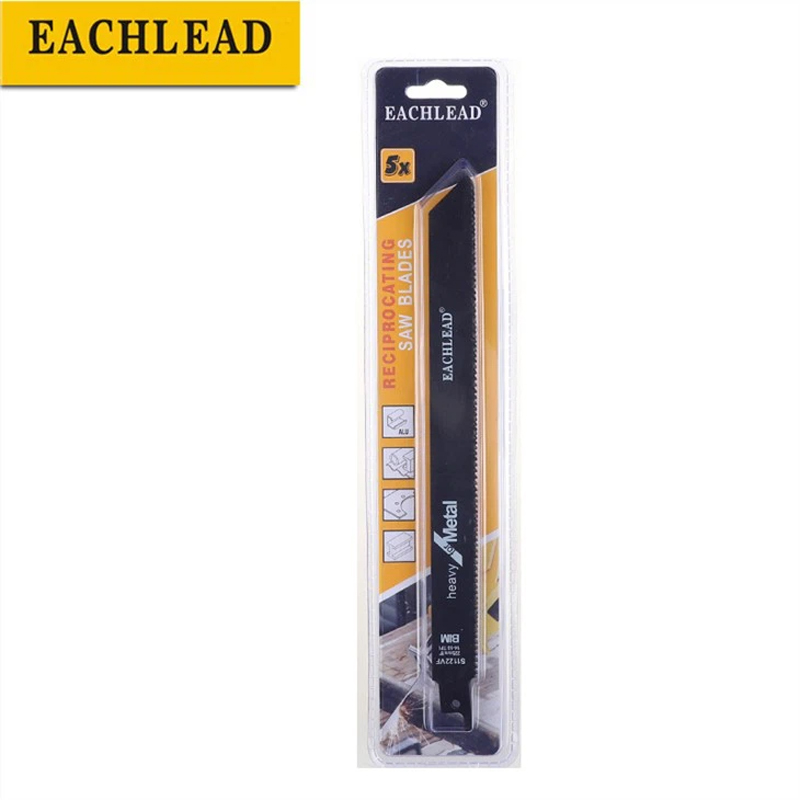
Ask for the listed application range in writing. The catalog page for the S1122VF, for example, lists sheet metal and aluminium profiles in an approximate 3-10 mm range alongside its wood-with-nails positioning, which gives a concrete starting boundary for mixed remodel work.
| RFQ field | Buyer supplies | Supplier confirms |
|---|---|---|
| Workpiece | Alloy, section, measured wall | Listed application range |
| Cut conditions | Installed or bench, access, edge target | TPI, tooth form, body size |
| Volume context | Cuts per shift, pack preference | Length and label wording |
| Validation | Sample profile and acceptance criteria | Candidate SKU and sample plan |
Product recommendation: review the S1122VF reciprocating saw blade once the RFQ fields are documented. Why it fits: its listing includes aluminium profiles in an approximate 3-10 mm catalog range. Why not recommend as a default: the model is positioned for wood with nails and mixed demolition, so a dedicated aluminum production cut may need a finer-pitch metal blade proven by sample test.
Fit Boundary
This workflow fits buyers who can measure the section, run a controlled sample, and verify the product listing. It is not sufficient where the tool is damaged, the holder is unknown, or the project requires an unsupported performance guarantee.
Part 7. How should distributors label aluminum-capable SKUs?
Keep the application claim separate from the assortment description. A blade that cuts an aluminum profile in a catalog range should be labeled with that range, not with a blanket “for aluminum” badge that invites returns from buyers cutting castings or thick plate.
Return records close the loop. Capture the alloy, wall, blade model, pitch, length, lubricant use, and the observed defect, because that evidence distinguishes clogging from grabbing and setup error from a wrong SKU.
To request a configuration review, send the application details to EACHLEAD: tool, holder, workpiece, dimensions, cut geometry, current blade, observed failure, and target pack quantity.
FAQs
Can a reciprocating saw cut aluminum?
Yes, when the pitch, length, and support match the section. Thin sheet and hollow extrusions need more engaged teeth and firm clamping to prevent grabbing.
What TPI should be tested for aluminum profiles?
Start from a middle band that keeps at least three teeth in the wall, then adjust by chip form. Fine steel pitches can clog in soft alloys.
Why do aluminum cuts clog the blade?
Soft chips weld to the tooth face when the gullet is too small, the feed too light, or the alloy runs dry. A coarser pitch or cutting wax usually changes the outcome.
Does blade length matter for aluminum extrusions?
Yes. Use the shortest blade that clears the profile through the stroke, because extra overhang flexes and angles the cut face.
Which EACHLEAD page lists aluminium profiles as an application?
The S1122VF product page includes sheet metal and aluminium profiles in an approximate 3-10 mm catalog range. Treat it as a listing to verify by sample, not a guarantee.
Is a wood blade acceptable for aluminum?
A coarse wood pitch usually leaves too few teeth engaged in thin walls and snags. Test a metal or combination pitch matched to the measured wall instead.
What should an aluminum cutting RFQ include?
Alloy and temper if known, section shape, measured wall, access, edge requirement, holder type, expected volume, and a sample-cut acceptance test.