


How Should Buyers Record Jigsaw Blade Tooth and Material Markings?
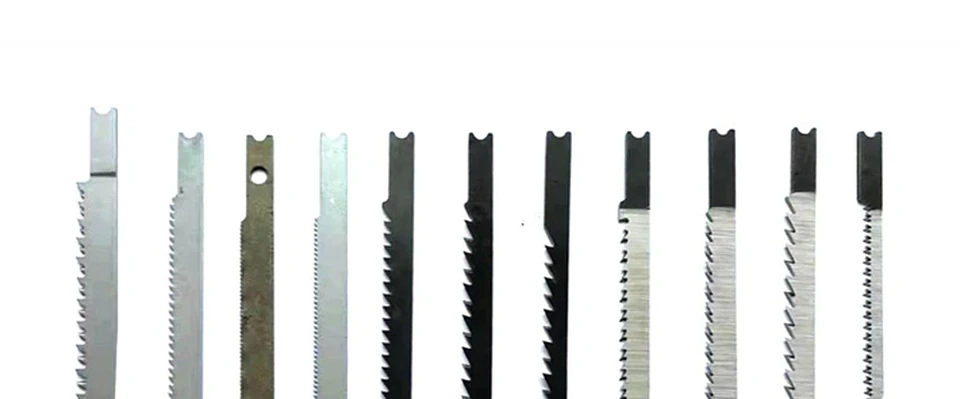
A marking record should preserve what a buyer can see without adding meanings that the sample does not prove. Copy the visible characters, retain the reference image, and keep uncertain text open for a supplier response.
- FAQs
Part 1. Copy what the marking actually shows
Begin with the source: a sample identifier, photograph identifier, or controlled drawing. Transcribe the characters exactly as seen, including spacing, symbols, and any character that cannot be read with confidence. A bracketed note such as “[unclear]” is more useful than a guessed letter.
Keep the source date and image position with the transcription. That allows another reviewer to see whether the text came from a blade body, a package label, or a separate buyer record.
Part 2. Preserve unreadable text as an open field
When a mark is worn, hidden, or partly outside the image, state the limitation beside the text. Do not complete a word because a similar blade uses that wording. A supplier can then ask for a better image or a physical reference rather than answering an inferred specification.
Use a stable question identifier for each ambiguity. This prevents a later clarification from being connected to the wrong feature in a multi-blade enquiry.
Part 3. Keep tooth appearance separate from text
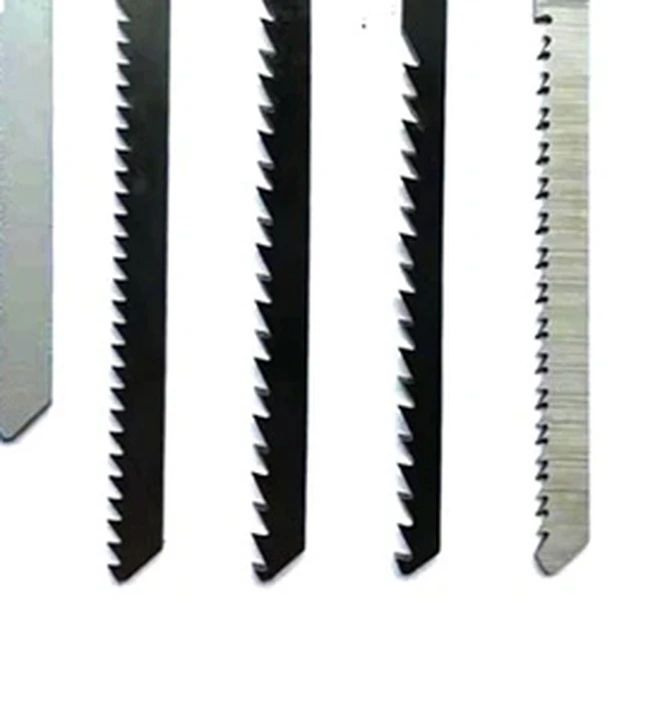
Tooth-area appearance is an observation, not a substitute for a printed marking. Describe what the source shows without converting it into a TPI, material, blade-life, or cutting-result statement. If the buyer needs an explanation of the TPI term itself, use the separate TPI explainer.
Important: Do not inspect, photograph, or handle a blade on operating equipment. Follow the applicable work-equipment procedure; HSE work-equipment guidance is a general reference, not a task-specific blade instruction.
Part 4. Record material words without assigning a grade
A visible material word can be copied into the record, but it is not a confirmed grade unless a controlled source supports that interpretation. Keep the wording in quotation marks or as an exact transcription. Add a separate field for the supplier to clarify what evidence is required.
This distinction also applies to marks that look familiar. A record should report the word, its location, and its readability, not transform an appearance into a complete technical specification.
Part 5. Build a marking clarification table
Place the transcription next to the source and the clarification request. The supplier’s response can then identify the exact character set it reviewed and distinguish a confirmed item from an unanswered question.
| Record field | Buyer evidence | Supplier clarification requested |
|---|---|---|
| Blade reference | Sample, photo, or drawing identifier | Confirm the reference reviewed. |
| Visible text | Exact transcription with unclear characters marked | Identify what additional evidence is needed. |
| Tooth-area note | Neutral visual observation | Do not infer a value; clarify only from supported source. |
| Material word | Exact visible wording or “not shown” | State whether controlled evidence is required. |
| Requested scope | Buyer’s enquiry and document list | Reply to the stated clarification scope. |
If several samples must travel in one enquiry, the assortment RFQ inputs article explains how to keep each sample on a separate line. It does not change the marking record’s evidence boundary.
Part 6. Send category context and evidence together
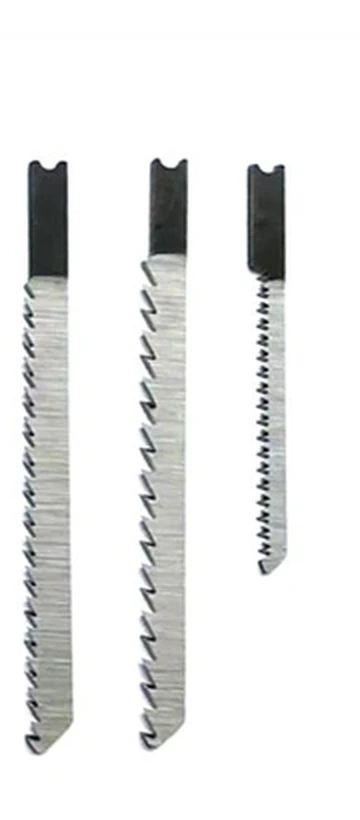
The Jigsaw Blades category can provide a product-family route after a buyer has prepared the record. It cannot confirm the meaning of a specific mark or identify a product from a partial image.
Use Contact Us to send the source file, transcription table, and open questions. Ask for clarification against those fields, rather than requesting a general compatibility or performance statement.
FAQs
Should every visible character be copied?
Copy every character that can be read, retain spacing where it is visible, and mark uncertain characters as unclear. This makes the record reviewable without guessing.
Can tooth appearance confirm a marking?
No. It can be described as an observation, but it does not replace legible text or a controlled source for a specification.
Does a material word identify a material grade?
Not by itself. Record the word exactly and request clarification from a source that supports the grade or configuration.
What if a marking is partly hidden?
Identify the source limitation and request another view or controlled reference. Do not fill a missing part using a similar-looking blade.
Is TPI interpretation part of this record?
No. This record captures visible marking evidence. TPI terminology is a separate reader question and should not be inferred from tooth appearance.
What should a supplier clarify from the record?
Ask the supplier to identify the reviewed reference, flag missing evidence, and respond to the stated text or material questions. Keep unresolved items visible in the reply.