


What Should a Distributor Record Before Releasing a Jigsaw Blade Across Multiple Holders?
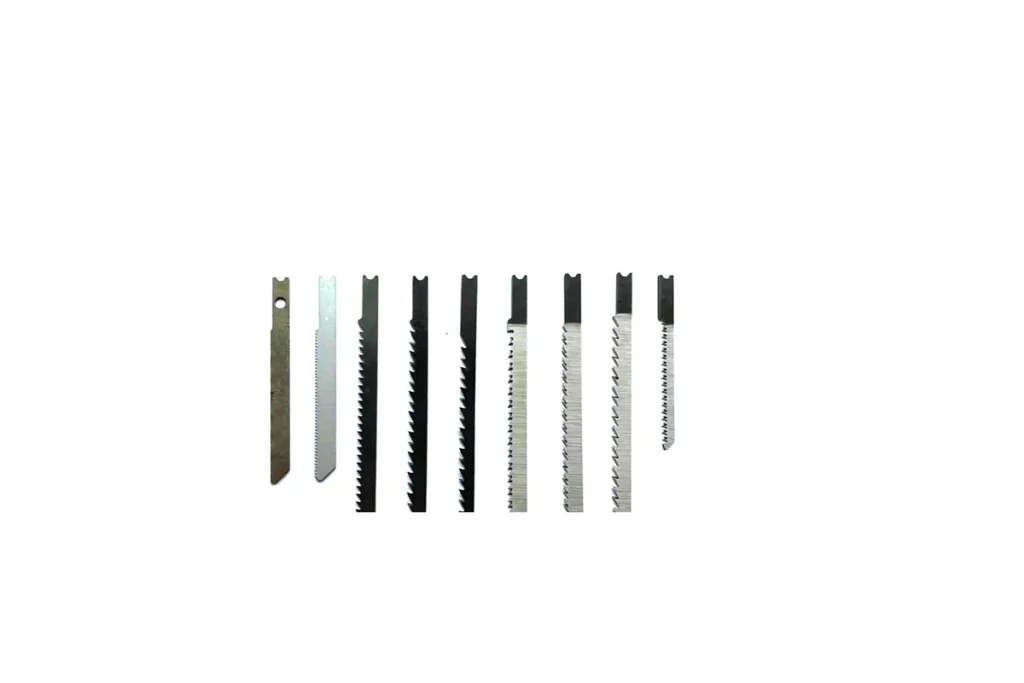
A multi-holder jigsaw blade release record should preserve observed holder evidence for each documented check; it must not turn a limited comparison into a universal-fit statement. Use the Jigsaw Blade category after the distributor record is assembled.
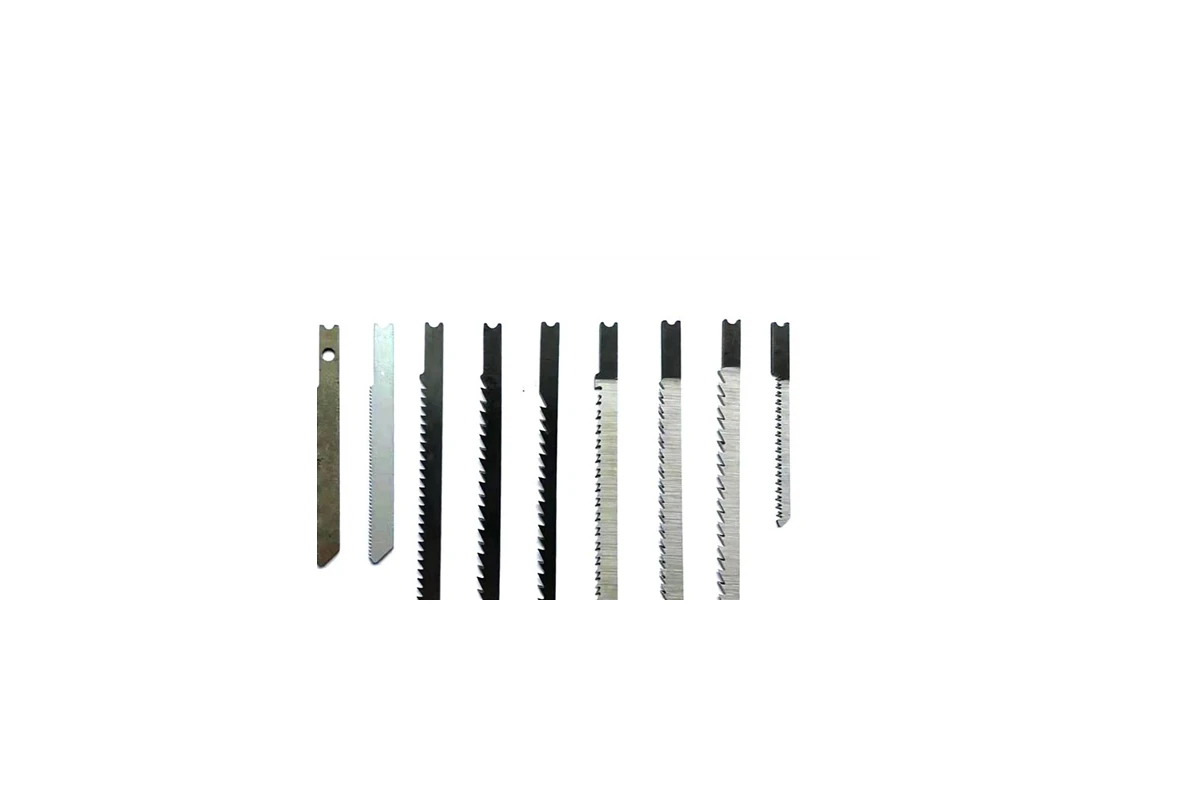
Related control records include jigsaw blade SKU sorting and jigsaw blade sample-cut records.
Important: A distributor release record does not authorize tool access; follow the applicable guarding procedure before a holder observation. (HSE work-equipment guidance)
Define the release scope
Record the individual SKU, the exact holders or tools being reviewed, and the purpose of the controlled check. Do not label an item universal because it has been observed in one or more documented holders.
Keep one observation per holder
Create a distinct row for each holder reference, observed seating detail, review date, and unresolved question. This prevents evidence for one holder from being silently applied to another.
| Holder-release field | Distributor record | Why it matters |
|---|---|---|
| Holder reference | Individual tool or holder identifier | Keeps each observation bounded |
| Blade evidence | SKU, marking, shank reference | Connects the observation to a specific line |
| Review note | Date, observed condition, open question | Makes follow-up traceable |
Retain the blade identity
Keep the blade marking, shank reference, photo or drawing, and receiving record tied to every holder observation. A holder note without a blade record is not a reusable release control.
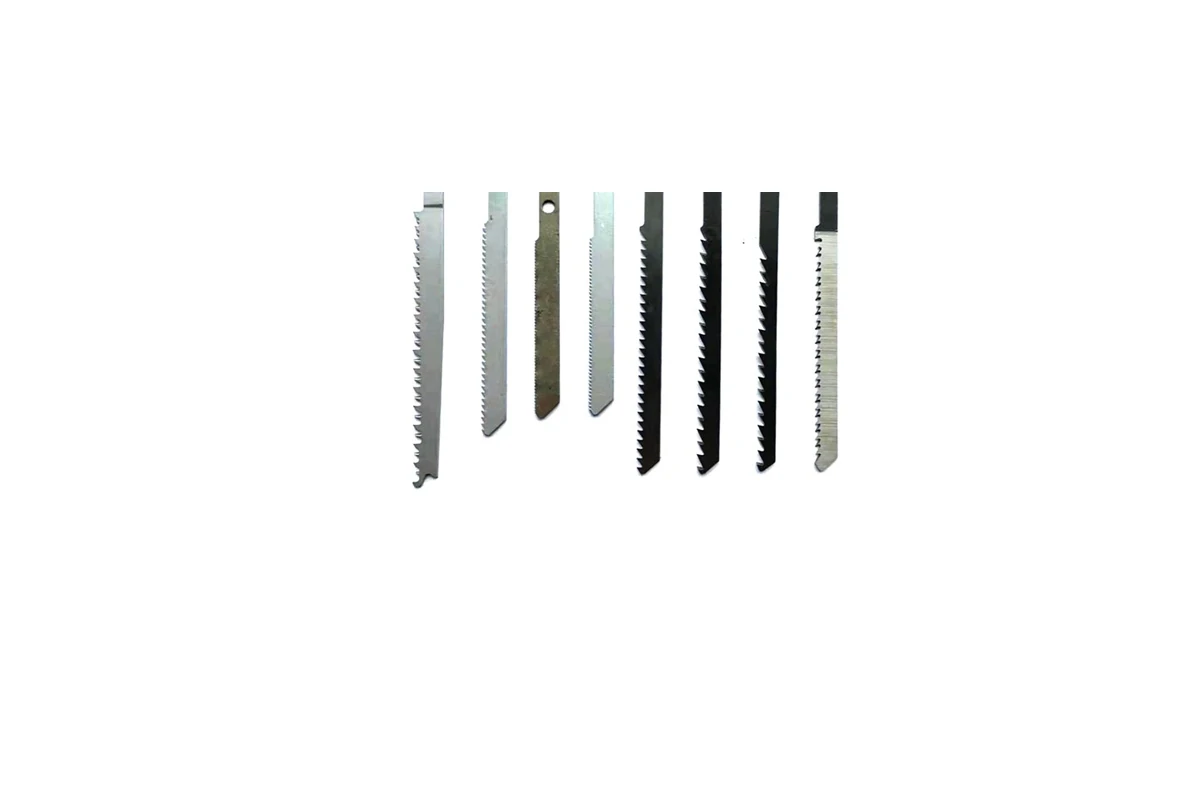
Separate a controlled check from performance claims
Record the observation boundary and any known conditions. Avoid stating that a limited check guarantees function, cut result, or fit across holders that were not reviewed.
Prepare procurement inputs for follow-up
If a supplier review is needed, send the SKU, blade evidence, holder-by-holder record, controlled observation, requested quantity, and the specific field that needs clarification.
| Procurement input | What to provide | Why it is needed |
|---|---|---|
| SKU evidence | Blade marking and receiving record | Identifies the reviewed line |
| Holder rows | Each holder reference and observation | Preserves individual evidence boundaries |
| Follow-up scope | Quantity and exact question | Prevents a general compatibility claim |
Use a listed family as a context point
The listed U118AF metal-cut jigsaw blade page can provide product context after the evidence is assembled. It does not establish compatibility across every holder.
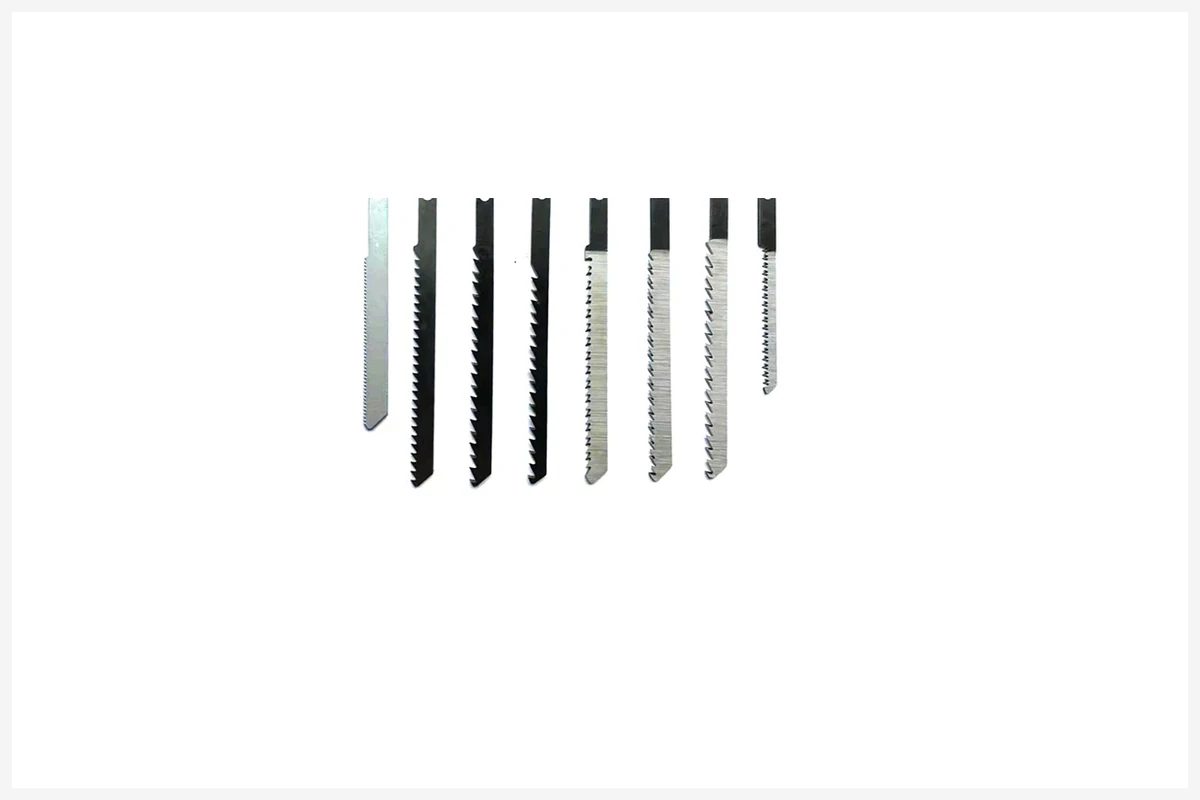
Product recommendation: review the listed jigsaw blade family after the buyer or distributor record is complete.
Release only against the documented boundary
Release or communicate a line only with the recorded holder boundary. Flag a new or unreviewed holder for a separate check rather than extending the previous observation.
For a controlled release question, send EACHLEAD the holder-by-holder record with SKU evidence, observations, and quantity.
FAQs
Why keep a separate row for each holder?
Each holder observation has its own evidence boundary and should not be generalized to another holder.
Does a multi-holder test prove universal compatibility?
No. It records only the specifically documented checks.
Which blade details belong with the holder record?
Include blade marking, shank reference, photo or drawing, and the receiving or SKU record.
Should performance be promised after a controlled check?
No. Report observations and conditions without making a guarantee about fit or cut results.
What belongs in a multi-holder follow-up RFQ?
Include SKU, blade evidence, holder rows, observation notes, quantity, and the exact open question.
What happens when a new holder is added?
Treat it as a new documented check instead of extending an earlier holder record.
References
- HSE woodworking guidance: record-keeping context when distributors compare documented holder observations.
- HSE work-equipment guidance: individual-equipment observation context.
- OSHA machine guarding overview: safety context if a release question involves tool access.