


Which Details Belong in a Jigsaw Blade Trial Record for Plywood and Veneer?
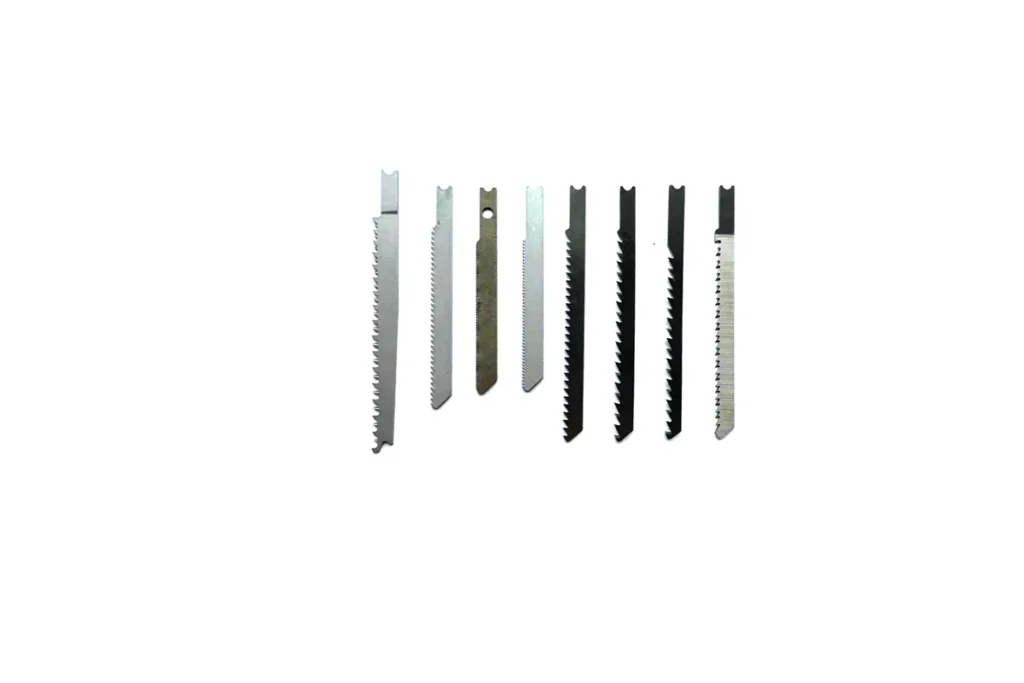
A jigsaw blade trial record for plywood and veneer keeps a buyer’s material and tool evidence connected to the next sourcing question. The Jigsaw Blade category should be reviewed after the record is complete.
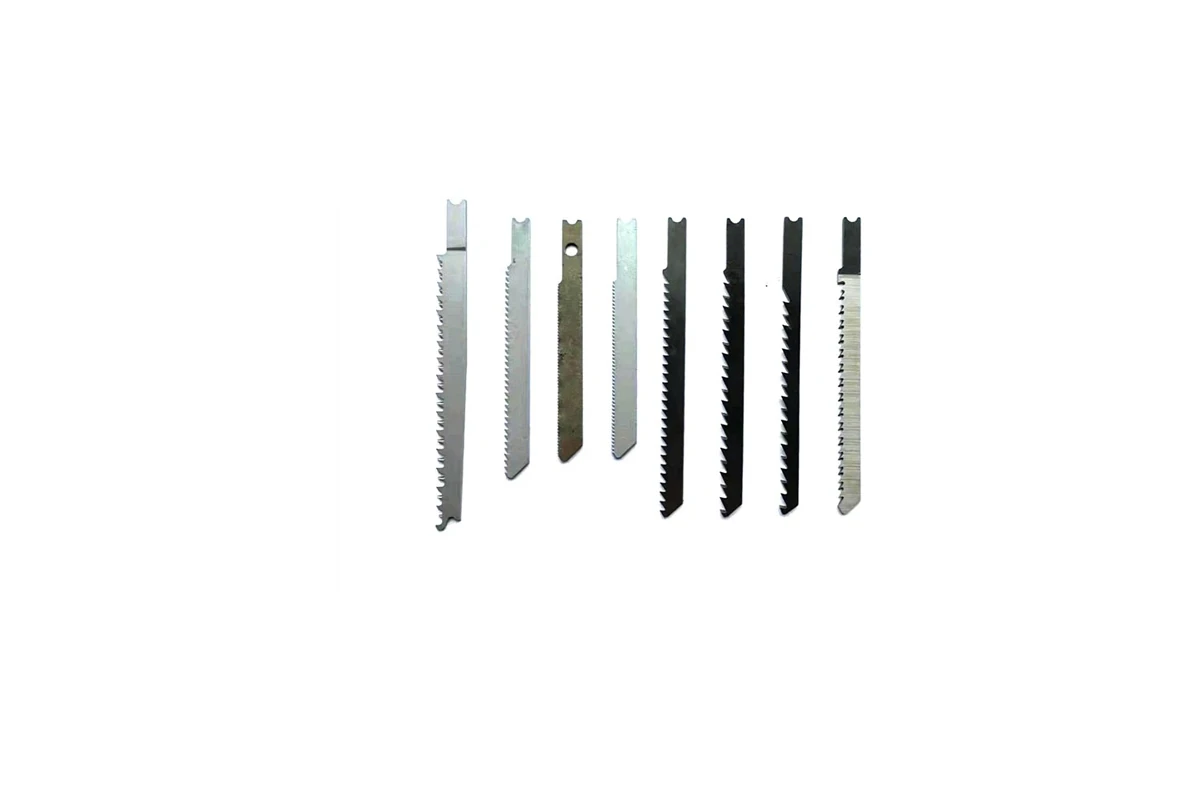
Related configuration work is covered in fine versus coarse jigsaw teeth and reverse versus standard jigsaw tooth style.
Important: Before documenting a panel trial, keep the tool stopped and follow its applicable guarding procedure. (OSHA machine guarding overview)
Describe the panel construction
Record the buyer’s plywood or veneer description, backing or face information if known, thickness record where available, and the intended cut context. Do not treat the material name as a complete cutting specification.
Identify the blade and holder
Retain the blade identifier, shank interface, visible tooth arrangement, and the specific tool or holder reference. This links a trial result to the actual configuration used.
| Trial record field | Buyer evidence | Why it matters |
|---|---|---|
| Blade identity | Item or visible blade marking | Connects the observation to a specific line |
| Panel record | Construction and thickness note | Defines the scope of the observation |
| Tool interface | Holder or shank reference | Avoids a generic fit assumption |
Set a controlled comparison point
Use a documented workpiece and note the observed setup state so later comparisons can be made against the same evidence. A trial record is more useful when its comparison point is explicit.
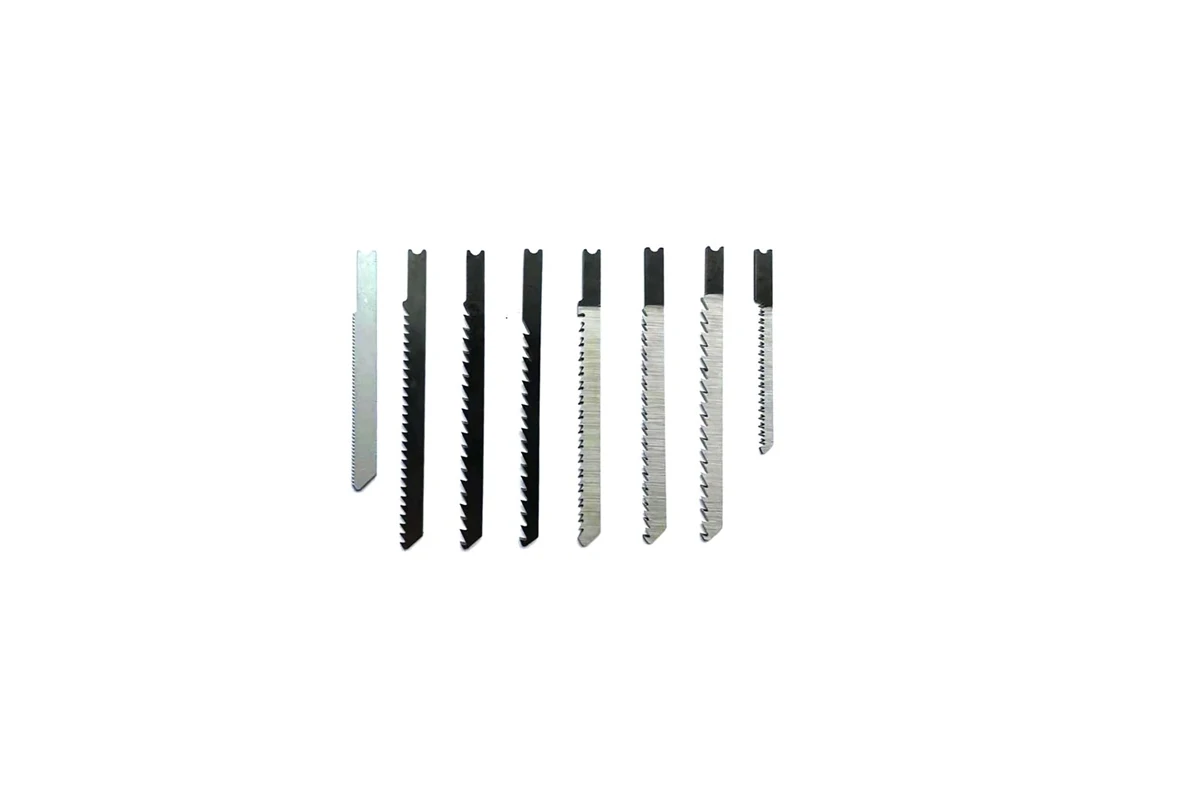
Write condition-based observations
Document the visible result and any question raised by the trial without asserting that a blade will deliver a guaranteed finish on all plywood or veneer constructions.
Build procurement inputs for review
Send the blade identity, tool interface, panel description, photos or drawing evidence, quantity, and the specific point needing confirmation. This keeps the RFQ grounded in the buyer’s record.
| RFQ input | What to provide | Avoid |
|---|---|---|
| Trial evidence | Blade and tool interface record | Using a panel name alone |
| Panel record | Construction and documented observation | Assuming every veneer layer is alike |
| Review scope | Quantity and exact question | Turning a trial into a finish guarantee |
Use the listed family as a reference point
The listed T111B jigsaw blade page may provide product context after the trial record is understood. It does not establish universal compatibility or a guaranteed surface result.
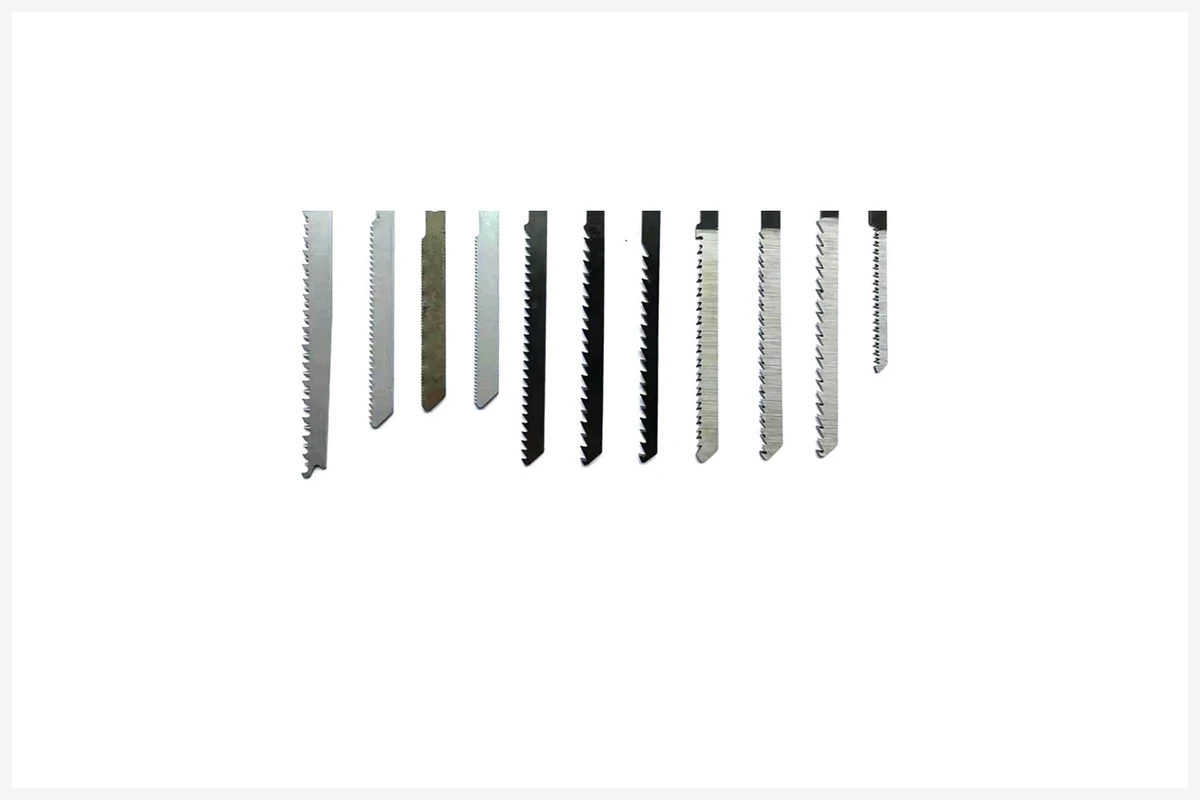
Product recommendation: review the listed jigsaw blade family after the buyer record is complete.
Keep unknowns visible
When the panel construction, holder, or trial condition cannot be confirmed, flag that field for clarification before converting the observation into an order decision.
For a plywood or veneer trial question, send EACHLEAD the panel record with blade, holder, panel evidence, and quantity.
FAQs
Why retain a plywood or veneer trial record?
It connects the buyer’s panel, tool, blade, and observations to one traceable sourcing discussion.
What panel details should be included?
Include material description, construction details known to the buyer, thickness record where available, and intended cut context.
Can a material name alone select the blade?
No. The material description needs to remain connected to the holder, blade identity, and the buyer’s observed conditions.
Should a trial record promise a finish result?
No. It should report observations under stated conditions without promising a result for every panel.
What belongs in the plywood or veneer RFQ?
Include the blade and tool record, panel evidence, photos or drawing, quantity, and the precise question to review.
When is follow-up clarification necessary?
It is necessary when the panel construction, interface, or requested configuration remains unknown.
References
- HSE work equipment guidance: context for comparing a controlled panel trial.
- HSE woodworking guidance: general tool and blade review context.
- OSHA machine guarding overview: tool-guarding context before blade or holder inspection.