


Should Your Next Blade Order Be a Set or a Single SKU?
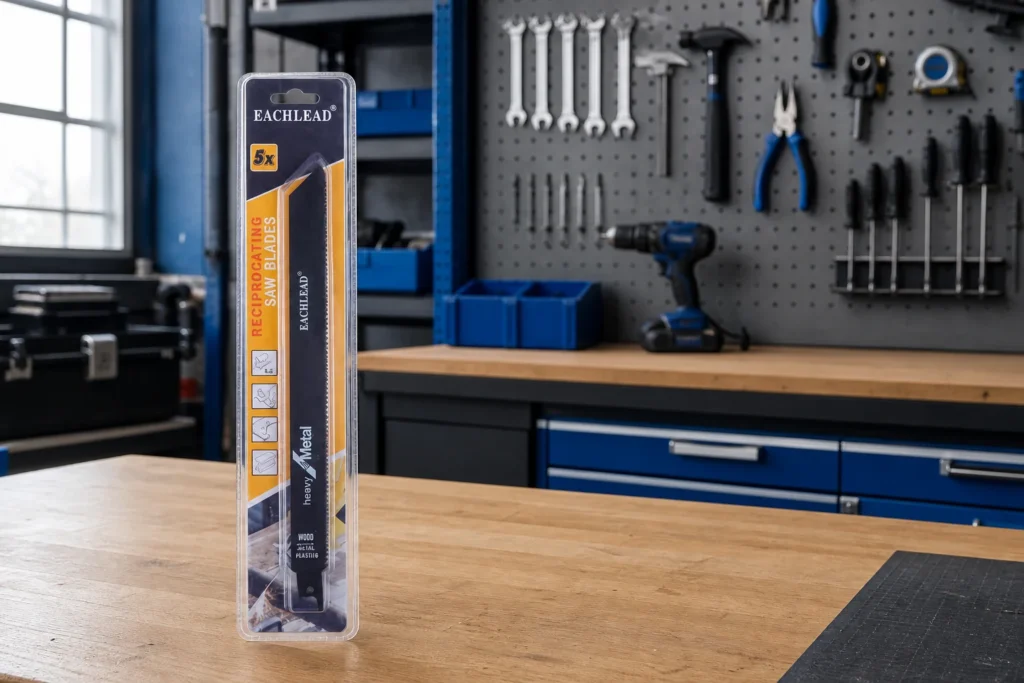
The set-versus-single decision is a demand-shape question: mixed work favors documented coverage, while repeat work favors a defined replenishment SKU. Neither format automatically carries a commercial advantage. Start with the application record, then use the reciprocating saw blade category to compare public fields.
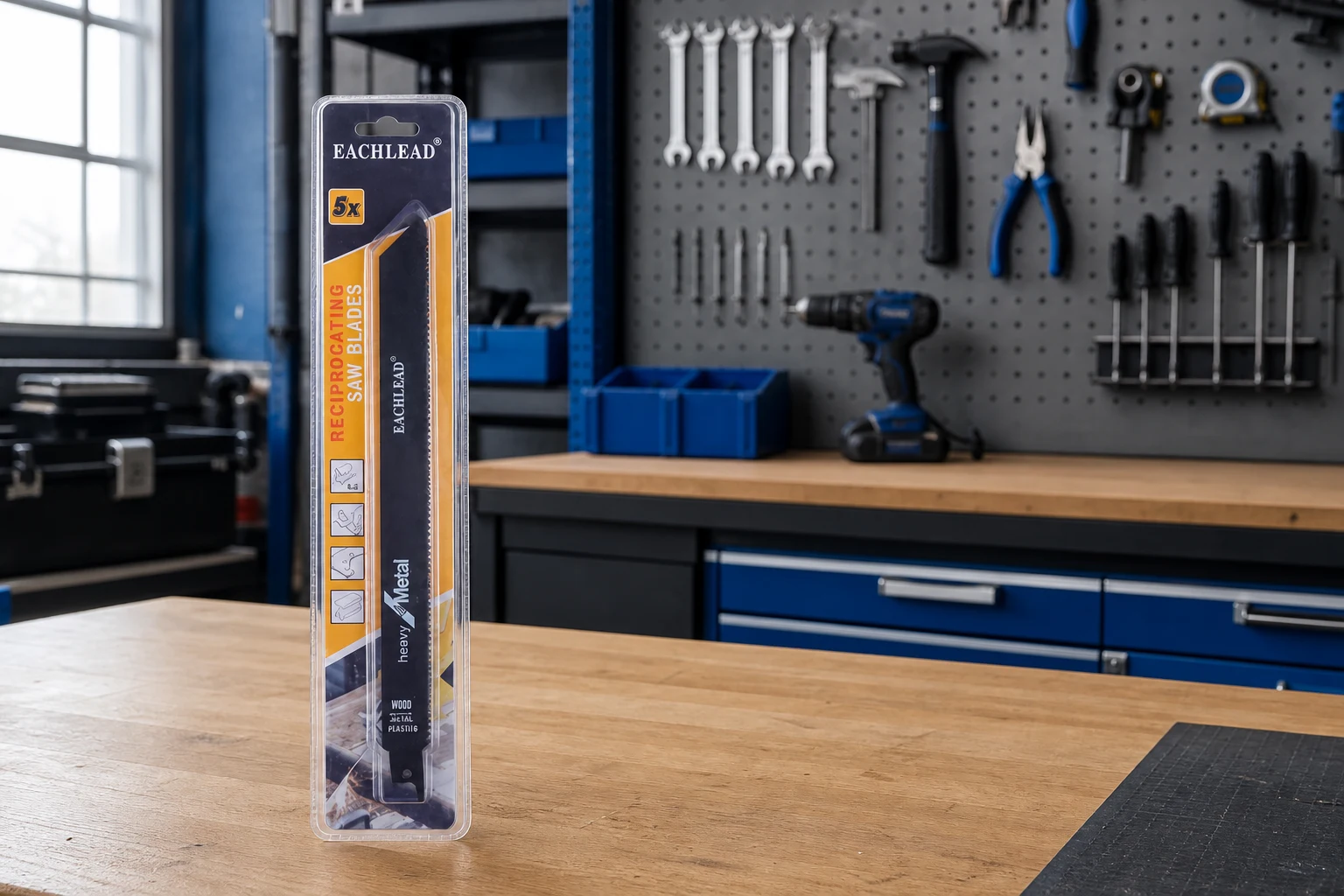
Part 1. What decision is actually being made?
The buyer is choosing an inventory role. A set packages several declared jobs into one offer, while a single SKU makes replenishment of one repeated job unambiguous.
Do not compare formats without naming those jobs. The reciprocating blade buying guide is useful for defining material, thickness, access, and holder before an order form is built.
| Format | Main role | Evidence needed |
|---|---|---|
| Mixed set | application coverage | slot list and label plan |
| Single SKU | repeat replenishment | defined workpiece and spec |
| Both | layered assortment | sales and test record |
Part 2. When does a set earn a place?
A set earns its place when a customer needs several different applications covered in one purchase. Each slot should name its intended material range rather than relying on a broad “all-purpose” promise.
The blade set composition guide addresses how those slots can be planned. It does not determine whether the buyer should stock the same slot separately for repeat work.
Part 3. When does a single SKU earn a place?
One defined recurring cut is a strong reason to order a single SKU. The purchase order can identify the blade, its printed fields, pack requirement, and the workpiece it is expected to be tested against.
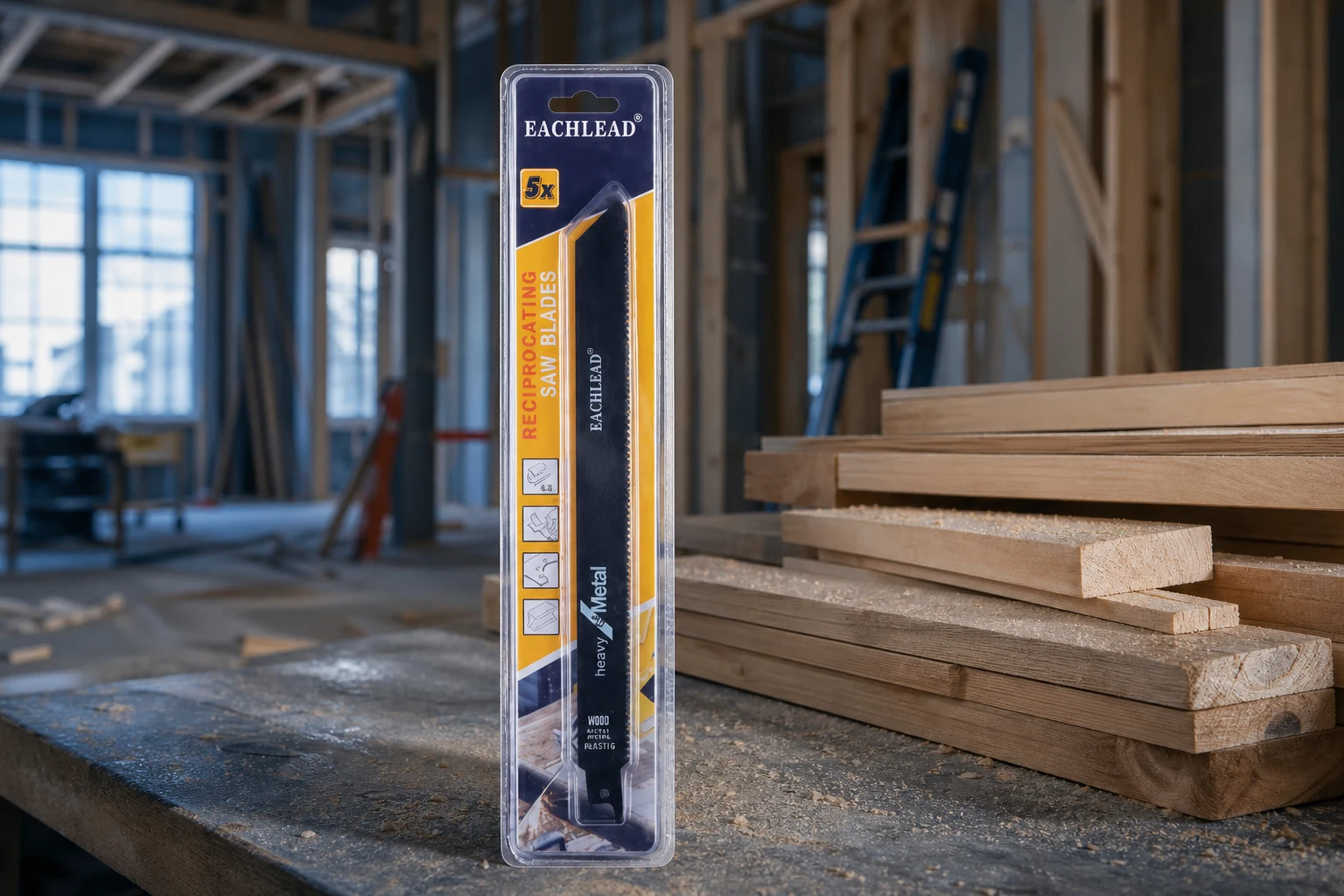
Single-SKU ordering is not a quality claim. It simply makes the replenishment line easier to identify and review.
Part 4. Which data should decide the mix?
Use observed demand rather than intuition. Counter requests, service records, returned-product reasons, and sample outcomes can reveal whether the line needs more coverage or more depth in one application.
| Evidence | Set implication | Single-SKU implication |
|---|---|---|
| varied occasional jobs | consider distinct slots | avoid duplicate slots |
| repeated one-material work | keep a small coverage set | define replenishment SKU |
| unclear usage | pilot and document | delay consolidation |
Part 5. How should labels and POs differ?
A set label should identify what each slot is for. A single-SKU PO should repeat the specification and application boundary that distinguishes it from neighboring items.
Avoid wording that turns either format into a universal solution. OSHA’s hand and power tool safety guidance reinforces the broader principle that tool use still depends on the actual task and instructions.
Part 6. What should an RFQ request?
Ask for a response to a clear specification, not a promised commercial outcome. List applications, desired product fields, pack and label requirements, samples, and acceptance criteria; request commercial terms separately and evaluate them when supplied.
| RFQ field | Buyer supplies | Confirmation requested |
|---|---|---|
| Format | set slots or single SKU | product identification |
| Application | workpiece and cut conditions | listed field comparison |
| Packaging | pack and label wording | available packaging detail |
| Validation | sample criteria | sample identification |
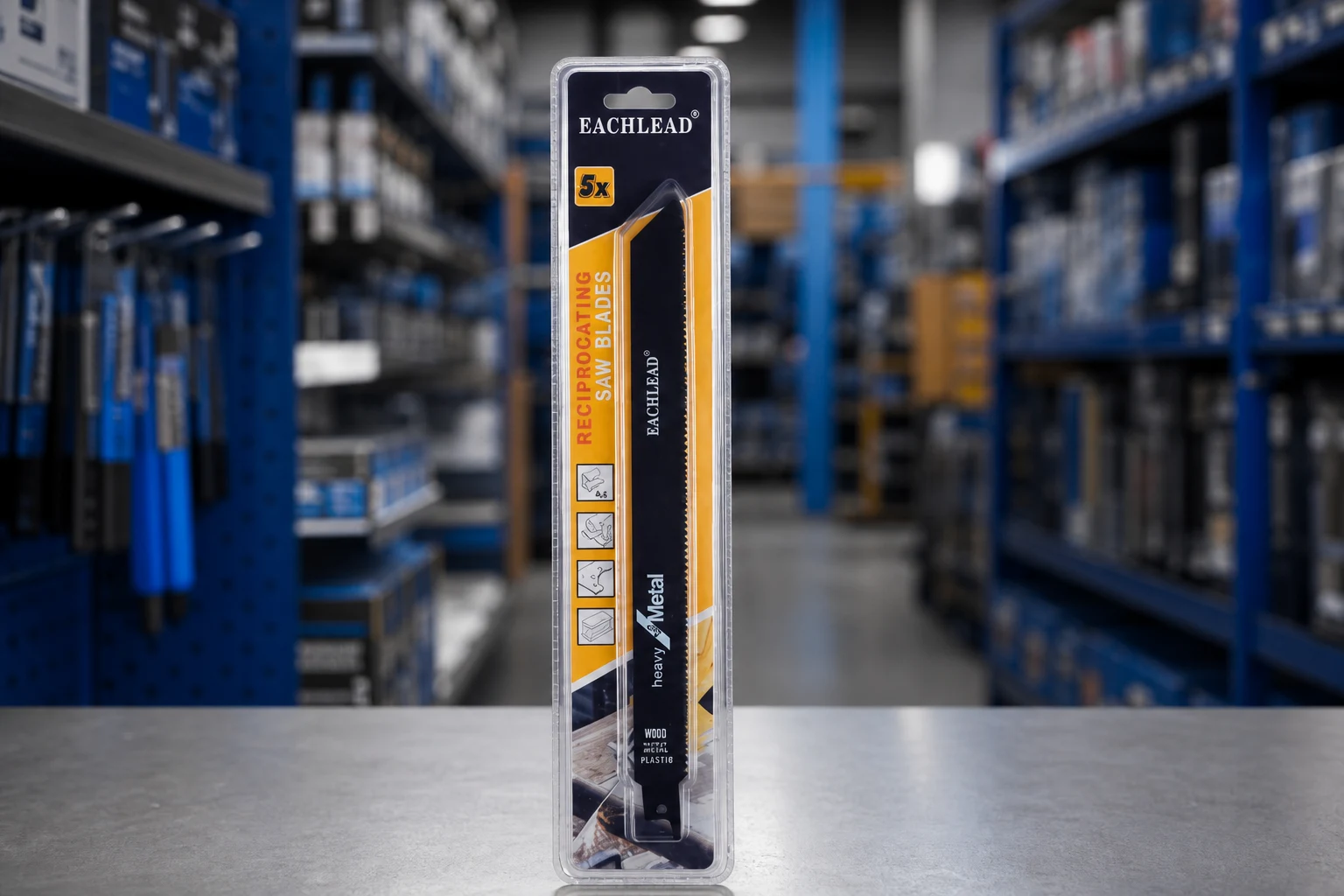
Product recommendation: use the reciprocating saw blade category as the first-party comparison route. It fits because it helps a buyer review public fields against an order specification. It is not a default product recommendation because it cannot establish suitability or commercial terms for an untested application.
Fit Boundary
This framework fits buyers who can distinguish coverage from replenishment and sample-test the selection. It does not provide MOQ, price, lead time, performance, or certification promises.
Part 7. How should the choice be tested?
Run a sample against each declared application and inspect the label and PO line for clarity. A successful test record says what was tested, under which conditions, and what the buyer accepted; it does not turn into a universal performance claim.
For a supplier discussion, send the ordering inputs for review: the slot plan or SKU list, workpieces, packaging requirements, and acceptance criteria.
FAQs
Should a distributor order sets or single SKUs?
Use sets for documented application coverage and single SKUs for clearly repeated demand; many lines need both.
When does a mixed set make sense?
When customers need several defined applications covered in one pack and every slot has an honest label.
What belongs on a single-SKU PO?
The SKU, printed fields, workpiece, pack requirement, label wording, and sample acceptance criteria.
Can a set replace replenishment?
Not usually. A mixed set can cover variety while repeat users may need one application replenished separately.
How should labels differ?
Set labels describe each included slot; single-SKU labels identify the one blade’s specification and intended application boundary.
What should be sample tested?
Test the selected blade against the declared workpiece and document the conditions and acceptance criteria.
What commercial terms should an RFQ request?
Request the commercial terms you need separately; this article does not assume or promise any MOQ, price, or lead time.