Recip Saw Blade Buying Guide: How to Choose
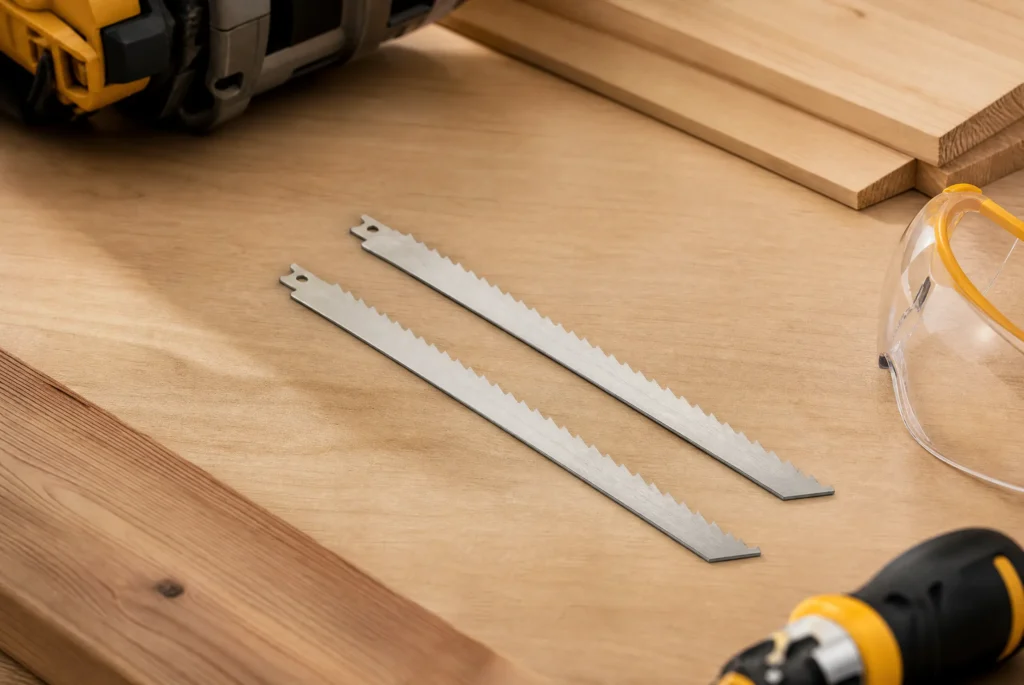
Selecting quality Recip Saw Blades enhances how quickly you can cut material, which leads to a higher quality of work product. The type of cuts you will make as both a pro and a DIY'er can only be made if you have the right blades for the material and project. Here’s how to select the best reciprocating saw blade for you.
Common Materials of Recip Saw Blades
When you are picking recip saw blades, it’s important to take into account what type of materials you are cutting. Here is a list of common materials along with what type of blade to use for each:
Wood: When sawing through lumber, using standard wood cutting sawzall blades (which have large tooth counts) will get you both smooth and quick cuts. These blades are manufactured for the purpose of removing large quantities of wood quickly, making them suitable for making rough cuts.
Metal: When it comes time to cut through metal, bi-metal blade types or high-speed steel are the best options. They are built to take the punishment of cutting through metals while giving you durability/longevity in your cutting tool.
Plastic and Composites: Blades used to cut plastics or composites are typically much finer than standard blades to help reduce the chance of chipping the material as you cut it and thus provide clean edges throughout your cutting process and reduce the chances of damaging your product after cutting it.
How to Select Recip Saw Blades by Cutting Materials
When it comes to selecting reciprocating saw blades, it is essential to take into account both the thickness and density of the material being cut as they will affect how well those blades perform. In general, thicker materials should be cut using blades that have many teeth (often referred to as “high tooth count”), while thinner materials will generally be able to be cut more efficiently with a blade that has fewer teeth (i.e. “low tooth count”).
It is important to match the blade to the material type. For instance, bi-metal blades are ideal for cutting various types in an environment containing both wood and metal. On the other hand, if you are only going to cut wood, you will get better results with a dedicated wood blade, as they will usually give you a faster and more durable cut.
Bi-Metal vs Carbon Steel Recip Saw Blades
Choosing whether to use a bi-metal or carbon steel blade will greatly influence how well you cut. Bi-Metal blades offer both durability (due to their use of high-speed and hardened steels) and flexibility (due to the type of material used), so they can last longer than one type of material while providing versatility in the types of materials you can cut.
The best type of blades to use with softer woods are carbon steel since they usually cost less than bi-metal blades; however, if you want a product that will last longer and be used at times over long periods of time, then a bi-metal blade would be preferred.
Tips to Match Blades With Reciprocating Saw
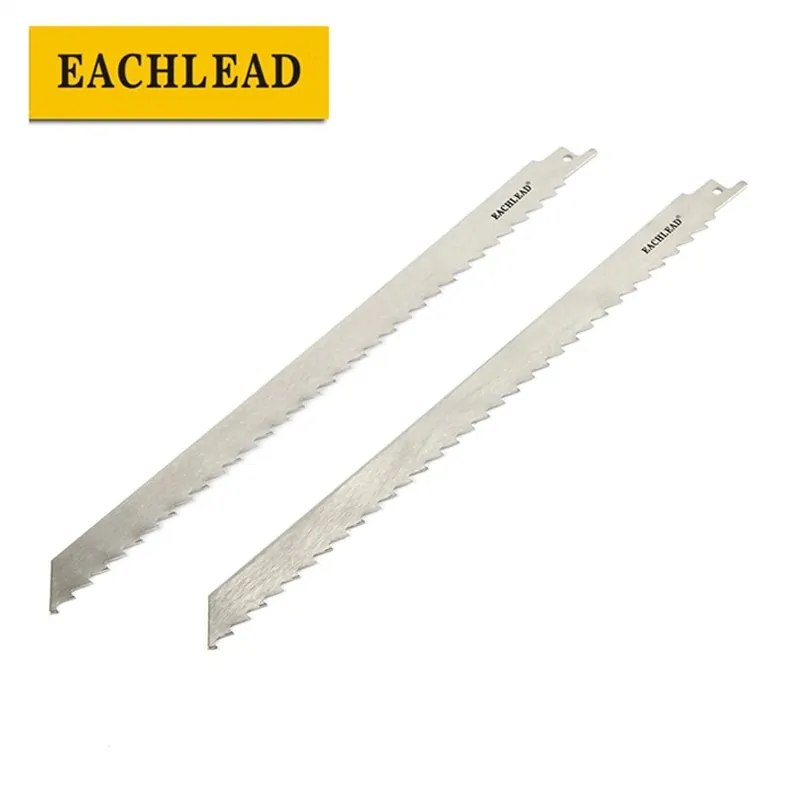
To find your ideal reciprocating saw blade, make sure they work with your existing reciprocating saw. The following are some important tips to consider when choosing the best reciprocating saw blade.
1. Shank measurement: Make sure the blade shank matches your saw coupling size; either a ½ inch or whatever size; both must ‘fit’ together.
2. Evaluate Your Stroke Length: The length of your stroke when cutting with a saw will define how long a blade you will need. The longer your stroke, the bigger of a blade you will need; therefore, cutting will be quicker.
3. Consider the workplace: If you will be making repeated cuts or demolishing something, you should choose blades that are built to withstand wear and tear.
FAQ about Recip Saw Blades
Q: What are the most common materials for reciprocating saw blades?
A: The most frequently used types of metal are carbon steel, bi-metal, and high-speed steel. Carbon steel is inexpensive and has flexibility; therefore, it is appropriate for cutting soft materials (like wood). Bi-metal is durable and can be used to cut both wood & metals. High-speed steel is very hard and perfect for high-demand jobs.
Q: Can I use one blade for multiple cutting materials?
B: Some blades (e.g., bi-metal) may have multiple-purpose designs where they can be used to cut both wood and metal. However, the best way to achieve the cleanest cuts and most effective performance is to use specialized blades for specific materials.
Q: How do I know when to replace my recip saw blade?
Use a replacement blade if:
1. You find that your blade isn’t cutting as efficiently, but you have to use more force to make cuts.
2. Your blade shows any noticeable signs of wear such as:
– Chipped edges
– Dull teeth
Continuing cutting with a dull blade may pose safety issues in addition to damaging the material you are attempting to cut.
Q: Which is better: bi-metal or carbon steel blades?
A: Depending on the project that is being worked on, bi-metal blades will give you the greatest balance of strength and flexibility. They are especially suitable for cutting harder materials and for long-lasting use. Carbon steel blades tend to be less expensive and are best used for cutting softer materials, such as wood.
Q: What blade length should I choose for my reciprocating saw?
Blade length will be determined by how thick the material is and how long the stroke of your reciprocating saw is. Longer blades will help with making cuts in thicker materials or deeper cuts while shorter blades can be easier to work with for making cuts that are more detailed.
Q: How do I keep my recip saw blades in good condition?
Store knives properly; clean, dry place to prevent rust or moisture. After using knives, be sure to clean them. Using a knife to slice wood containing resin will require more care than slicing non-resin woods. Never use a knife that is dull or has a damaged edge – the knife will not perform as well, and you will exert more force to cut.
To select the ideal recip saw blades, you first must comprehend how they will fit the intended cutting material, their construction, and how they fit with the tool you have. When you make customized selections based on any or all of those elements, you will maximize performance of your blades and tools alike.