


What Stops Blade Vibration in Reciprocating Cuts?
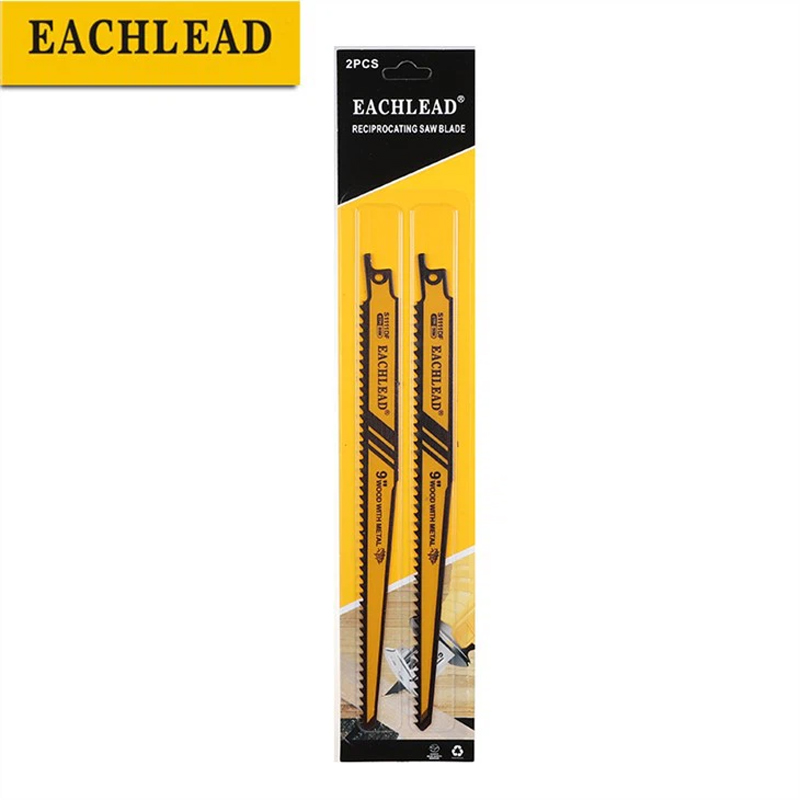
How to Reduce Blade Vibration in Reciprocating Saw Cuts follows one principle: vibration is cutting energy that failed to become chips, escaping through whatever is loosest. Check the workpiece, the engagement, the blade, and the tool in that order. For the commercial path, review the reciprocating saw blade product category.
Part 1. Where does vibration in a reciprocating cut come from?
The stroke drives teeth into material thousands of times a minute, and any energy that does not remove a chip has to go somewhere. It shakes the workpiece, hops the blade, rattles the tool, and numbs the hands, in whatever proportion the setup allows.
Ranking the sources keeps the fix cheap. A loose pipe costs one clamp to silence; a worn holder costs a service visit; a wrong pitch costs a reorder, so the checklist works from free fixes toward paid ones.
| Vibration source | Signature | Checklist order |
|---|---|---|
| Loose workpiece | Whole part rings or walks | First: clamp and support |
| Tooth snagging | Rhythmic hop on thin stock | Second: engagement rule |
| Blade whip | Buzz grows with overhang | Third: length and body |
| Tool and holder | Rattle with no load | Fourth: inspection |
Important: Use the proper blade for the material and follow the tool instructions; see OSHA handheld saw guidance.
Part 2. Why is workholding the first checklist item?
Because the workpiece has the most freedom to move. An unclamped pipe or sheet becomes a sounding board that amplifies every stroke, and no blade choice can quiet a part that is free to dance.
Clamp close to the cut line, not at the far end. Support both sides where the offcut is heavy, and put a sacrificial backer under thin sheet so the wall cannot drum between strokes.
Recheck mid-job. Clamps walk loose under sustained vibration, so a job that starts quiet and grows loud is usually announcing that the grip has relaxed.
Part 3. How does tooth engagement stop snag vibration?
The engagement rule does the work: keep at least three teeth in the material at all times. Fewer teeth means each one lands like a hammer blow, catches the edge, and hops the blade, which operators feel as rhythmic slapping.
Match the pitch to the measured thickness using the TPI engagement guide. Thin stock demands fine pitch precisely because of this rule, and angling the blade through thin walls raises the effective engagement without changing SKUs.
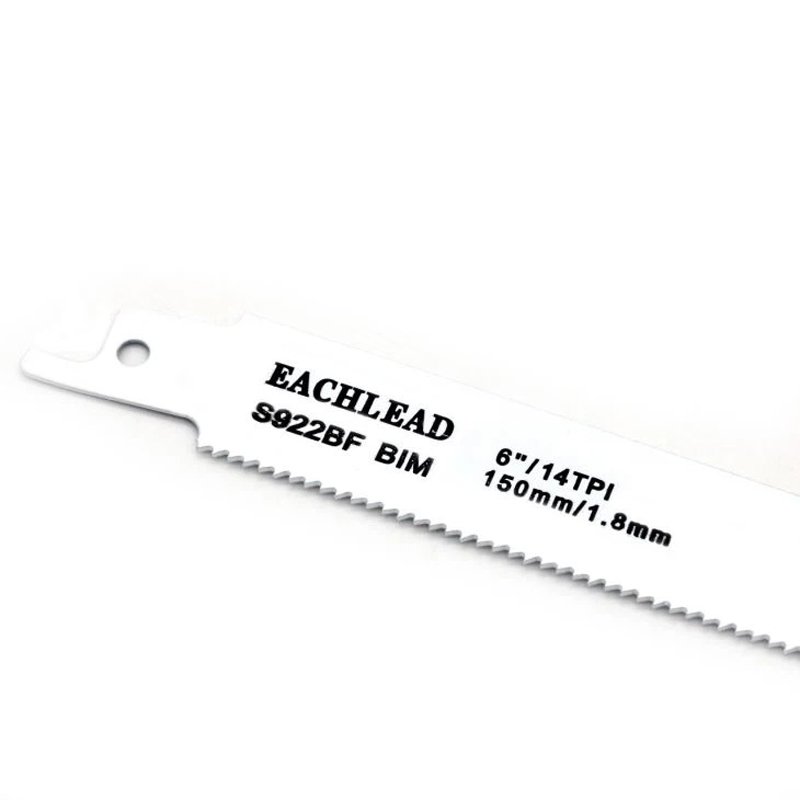
| Field symptom | Engagement diagnosis | First correction |
|---|---|---|
| Rhythmic hop on thin sheet | Too few teeth engaged | Finer pitch or angle the entry |
| Grinding buzz on thick stock | Gullets packed, teeth rubbing | Coarser pitch, clear chips |
| Snag at cut entry | Full-face tooth landing | Start at an angle, light feed |
| Snag at breakthrough | Unsupported exit wall | Back up the exit side |
Part 4. What do blade length and body contribute?
Every unit of blade past the workpiece is a free lever for vibration. The shortest blade that clears the work through the stroke buzzes least, and live listings on this site state each model’s length so the comparison is straightforward.
Body width and thickness set how stiff that length is. Listings print both dimensions per model, and a wider, thicker body damps whip at the same length, which matters most in deep or flush work.
Condition rounds out the blade check. A blade with dulled or damaged teeth converts feed into friction and shake instead of chips, so inspect the tooth line before blaming geometry.
Part 5. Which technique habits damp the cut?
Plant the shoe against the work and keep it planted. The shoe closes the vibration loop between tool and workpiece; daylight between them turns the saw into a hammer, a habit the contractor cutting practices article flags on production jobs.
Feed with steady, moderate pressure. Too light lets teeth rub and skate; too heavy stalls the stroke and rocks the tool, and both extremes read as vibration in the hands.
Use the speed and orbital settings deliberately. Where the tool offers them, lower speed with firm feed often cuts smoother in metal, while orbital action belongs to fast wood cuts, not to thin sheet.
Part 6. When should the tool and holder be inspected?
When the blade rattles with no load, the checklist has left the blade. A worn holder lets the shank rock at the root, and no pitch or length choice can mask that free play; the holder fit overview shows the fit points to examine.
Confirm the blade is seated and locked per the tool manual, then check the holder for wear and debris. Anything beyond that inspection belongs to tool service, not to blade purchasing.
Part 7. What should a persistent-vibration report document?
Document the case once the checklist is exhausted. Record the workpiece and thickness, the blade model, pitch, and length, the clamping arrangement, the shoe contact, the settings used, and where in the cut the vibration peaks.
That report turns a complaint into a specification. A supplier reading it can propose a listed pitch, length, or body change against evidence instead of guessing at comfort.
| Report field | What to capture | Why it matters |
|---|---|---|
| Cut context | Workpiece, thickness, cut type | Sets the engagement math |
| Blade identity | Model, pitch, length, body size | Links symptom to specification |
| Setup facts | Clamping, shoe contact, settings | Rules out free fixes |
| Symptom pattern | When and where vibration peaks | Points to snag, whip, or tool |
Product recommendation: review the reciprocating saw blade category once the report is written. Why it fits: the blade-side fixes are pitch, length, and body comparisons across the category’s listed specifications. Why not recommend as a default: vibration is usually a setup symptom, so no single SKU is named until clamping and engagement are proven correct.
Fit Boundary
Crews and distributors who can adjust workholding, verify engagement, and document persistent cases will get quiet cuts or a clear reorder case from this checklist. It is not a comfort guarantee, and a saw with a worn holder needs service before any blade change means anything.
To request a configuration review, send the application details to EACHLEAD: tool, holder condition, workpiece and thickness, current blade and length, clamping description, vibration pattern, and target pack quantity.
FAQs
Why does a reciprocating saw vibrate so much during cuts?
Because cutting energy that fails to remove chips escapes as motion. Loose workpieces, snagging teeth, excess blade length, and worn holders are the usual outlets.
Does blade choice change vibration?
Yes, through pitch, length, and body stiffness. But blade changes come after clamping and engagement fixes, or the reorder repeats the symptom.
How does workpiece clamping reduce vibration?
Clamping close to the cut removes the workpiece’s freedom to resonate. It is the highest-value, lowest-cost item on the checklist.
What TPI rule prevents tooth-snag vibration?
Keep at least three teeth engaged in the material. Thin stock therefore needs fine pitch, or an angled entry that raises effective engagement.
Does blade length affect vibration?
Directly. Length past the workpiece is a free lever for whip, so the shortest clearing blade buzzes least at the same body dimensions.
When is the saw itself the vibration source?
When rattle persists with no load or a fresh blade rocks in the holder. That is a service case, not a purchasing case.
What should be documented when vibration persists?
Workpiece, thickness, blade identity, clamping, shoe contact, settings, and the vibration pattern. The report lets a supplier propose a listed change against evidence.