


What Makes a Reciprocating Blade Bend Mid-Cut?
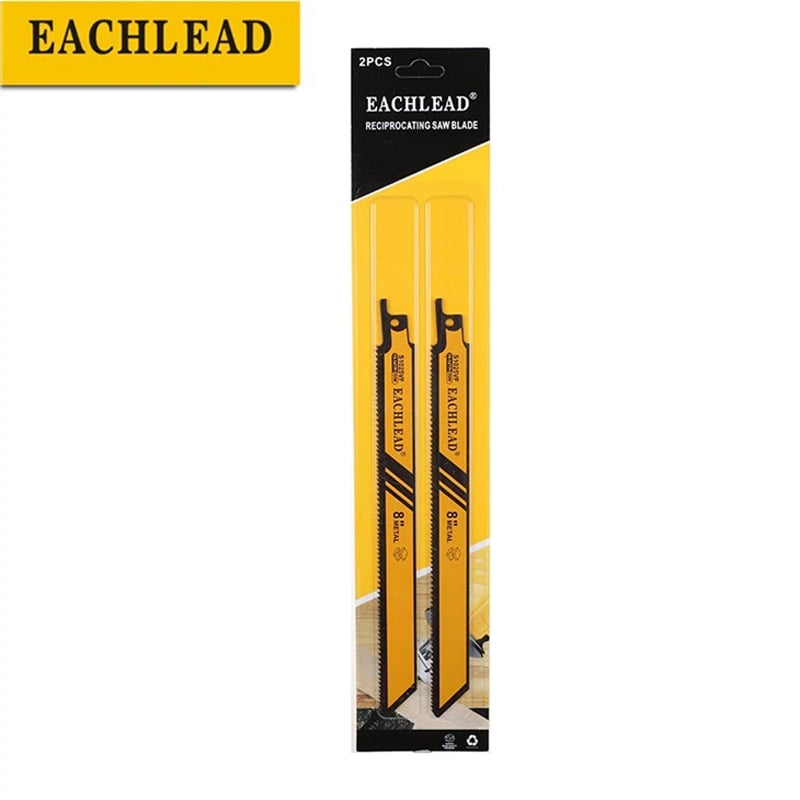
Why Reciprocating Saw Blades Bend During Cutting is a load-path question: side force found unsupported steel, and the blade gave way before the operator noticed. Reconstruct the cut before blaming the product. For the commercial path, review the reciprocating saw blade product category.
Part 1. What actually bends a reciprocating blade mid-cut?
A blade bends when side force meets unsupported length. The force arrives four common ways: a kerf that closes and pinches, an operator who levers the saw sideways, a shoe that floats off the work, and a blade far longer than the cut requires.
Bend location is the first clue. A fold near the tip points to a strike or pinch at the far wall, a smooth bow along the body points to steering or overhang, and a kink at the shank points to prying with the saw.
| Bend pattern | Typical cause | First correction |
|---|---|---|
| Fold near the tip | Far-wall strike or pinch | Shorter blade, support offcut |
| Smooth bow along body | Steering or excess overhang | Cut straighter, reduce length |
| Kink near the shank | Prying and lever action | Never lever; re-cut instead |
| Repeated bends, one operator | Technique pattern | Coach shoe contact and feed |
Important: Use the proper blade for the material and follow the tool instructions; see OSHA handheld saw guidance.
Part 2. How do kerf pinch and closing cuts fold a blade?
Gravity closes kerfs. When an unsupported offcut sags, the cut walls clamp the blade, and the next stroke folds the trapped steel or throws the saw back at the operator.
Support both sides of the cut line so the kerf stays open, or plan the cut so the waste falls away from the blade. On framing and pipe, a second support placed close to the cut is usually the entire fix.
Watch the kerf during the cut. The moment the slot starts narrowing, stop, reposition the support, and finish with the kerf held open rather than forcing the stroke through a closing gap.
Part 3. Which setup habits side-load the blade?
Floating the shoe is the most common habit. Without the shoe planted, every hand tremor becomes side force at the tip, and the blade saws a curve that the operator then corrects by steering harder.
Feed pressure is the second habit. Pushing the saw faster than the teeth clear chips makes the blade climb and deflect, a failure mode covered for heavy sections in the thick metal blade selection guide.
Angle changes mid-cut finish the list. Re-aiming a blade inside a deep kerf twists the body against both walls; crews under time pressure do this often, as the contractor cutting practices article notes.
| Setup habit | How it side-loads the blade | Correction |
|---|---|---|
| Floating shoe | Hand tremor becomes tip force | Plant the shoe before the stroke |
| Overfeeding | Blade climbs and deflects | Feed at the chip-clearing rate |
| Mid-cut re-aiming | Body twists against kerf walls | Finish the line, re-cut if needed |
| One-hand operation | Uncontrolled lateral drift | Two hands per the tool manual |
Part 4. How do length and body dimensions change bending risk?
Stiffness falls fast as unsupported length grows, so the same side force that a short blade shrugs off will bow a long one. The working rule stays constant: the shortest blade that clears the workpiece through the stroke.
Width and thickness are the other lever. Live product listings on this site state body dimensions per model, for example 19 mm width and 0.95 mm thickness on common 9-inch bi-metal listings, and a wider or thicker body resists deflection at the same length.
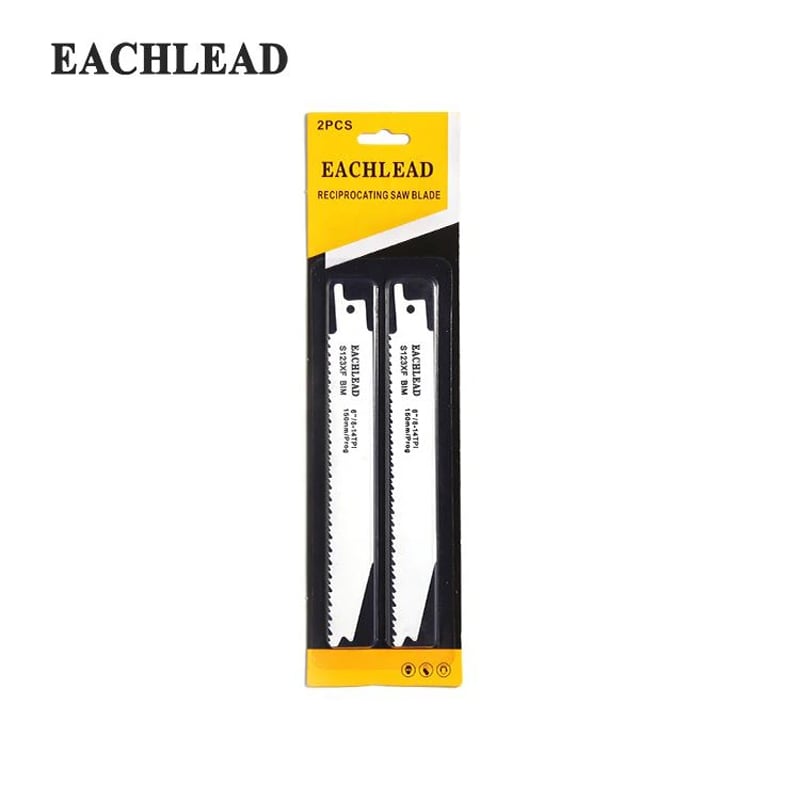
Compare dimensions as listings, not promises. No body specification makes a blade immune to pinching or prying, and no listing should be quoted as a bend warranty.
Part 5. What flush-cut technique keeps the blade straight?
Flush cutting invites bending because the operator presses the blade flat against a surface while it strokes. Use a blade intended to flex for that purpose where the job allows, keep the pressure light, and let the teeth work instead of forcing contact.
Where flush access recurs on every job, reconsider geometry first. An offset adapter, a different entry angle, or a slightly longer blade held flatter can remove the side load that a straight push creates.
Check holder condition too. A worn clamp lets the shank rock, adds play at the root of the blade, and turns modest side force into a permanent set; the blade fit and holder compatibility overview explains the fit points to inspect.
Part 6. What should a bent-blade incident report record?
Write the incident down before discarding the blade. Record the workpiece and dimensions, the blade model, length, and pitch, the cut type, where the bend sits on the body, the support arrangement, and who ran the cut.
Photograph the blade against a straightedge. A picture of the bend pattern settles later arguments about pinch versus prying, and it gives the supplier real evidence when the reorder discussion starts.
| Report field | What to capture | Why it matters |
|---|---|---|
| Cut context | Workpiece, dimensions, cut type | Reconstructs the load path |
| Blade identity | Model, length, pitch, body size | Links failure to specification |
| Bend evidence | Location and photo on straightedge | Separates pinch from prying |
| Setup facts | Support, shoe contact, operator | Targets the actual correction |
Product recommendation: review the reciprocating saw blade category after the incident evidence is documented. Why it fits: the category lists length, width, and thickness per model, which is exactly the comparison bending diagnosis needs. Why not recommend as a default: no single SKU is being recommended, because bending is usually a setup and load-path problem that a new blade order alone will not fix.
Fit Boundary
Crews and distributors who can reconstruct the failed cut, adjust support and technique, and document incidents will get durable results from this checklist. It is not a promise that any blade resists prying or pinching, and tools with worn holders need service before any blade change matters.
Part 7. When does bending justify a different blade order?
Change the order when the evidence says geometry, not technique. Repeated tip folds at a fixed span justify a length change; repeated body bows on straight cuts with good support justify a wider or thicker body within the listed range.
Keep the change to one variable. Swap length or body spec, hold the material, operator, and support constant for a trial period, and let the incident log show whether the bends stopped.
To request a configuration review, send the application details to EACHLEAD: tool, holder, workpiece, cut type, current blade and length, bend pattern photos, support description, and target pack quantity.
FAQs
Why does a reciprocating saw blade bend instead of cutting?
Side force found unsupported length: a pinching kerf, a floating shoe, steering, or excess overhang. Diagnose the load path before changing products.
Can a bent reciprocating blade be straightened and reused?
Treat a bent blade as damaged. Straightening leaves a weak point and no reviewed evidence supports reuse as safe practice, so retire it and fix the cause.
Does a longer blade bend more easily?
Yes. Stiffness drops quickly as unsupported length grows, which is why the shortest blade that clears the work is the standing rule.
What technique prevents bending in flush cuts?
Light pressure, a blade suited to flexing flat, and a planted, controlled approach. If flush cuts recur, change the access geometry instead of forcing contact.
Does bending mean the blade is low quality?
Usually not. Bend patterns almost always trace to pinch, prying, or overhang; quality questions only open after setup causes are ruled out and documented.
Which blade body dimensions resist bending?
Wider and thicker bodies deflect less at the same length. Compare the width and thickness listed on each product page and verify with a sample cut.
What should be recorded before reordering after bent blades?
Workpiece, cut type, blade model and length, bend location with a photo, support arrangement, and operator. That log decides whether to change setup or specification.