


Welding Galvanized Steel to Steel: Coating, Preparation and Process Limits
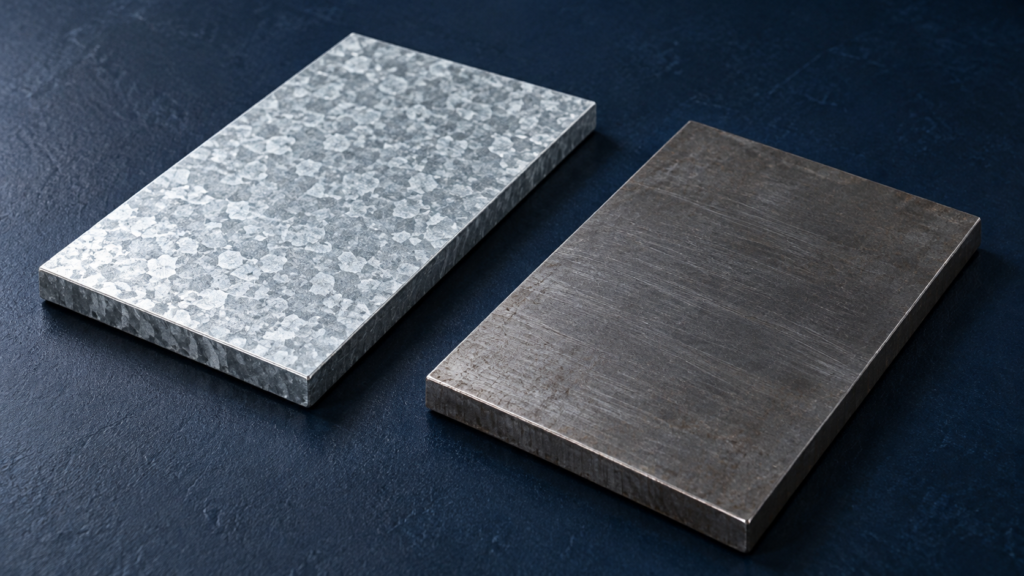
Welding galvanized steel to steel is possible when the actual steel grades and an appropriate welding procedure are compatible. The zinc coating adds preparation, exposure-control and corrosion-repair questions. A generic machine setting cannot answer those questions or establish that a particular joint is acceptable.
By wp_kexun. Updated November 2, 2026. US-oriented planning information; Great Britain guidance is identified separately below. No named professional welding reviewer has reviewed this article. It explains project decisions and does not provide a welding procedure or approval for a particular structure.
The useful starting distinction is between the steel being joined and the coating on it. A galvanized surface does not identify the base-steel grade. The proposed uncoated member also needs a material identity, together with the joint’s intended function and acceptance requirements.
Welding galvanized steel to steel: separate coating and base
The American Galvanizers Association describes welding both before and after galvanizing. Its technical guidance also distinguishes coating-related considerations from the underlying joining task. This establishes feasibility in principle, rather than permission to use any process on any coated steel.
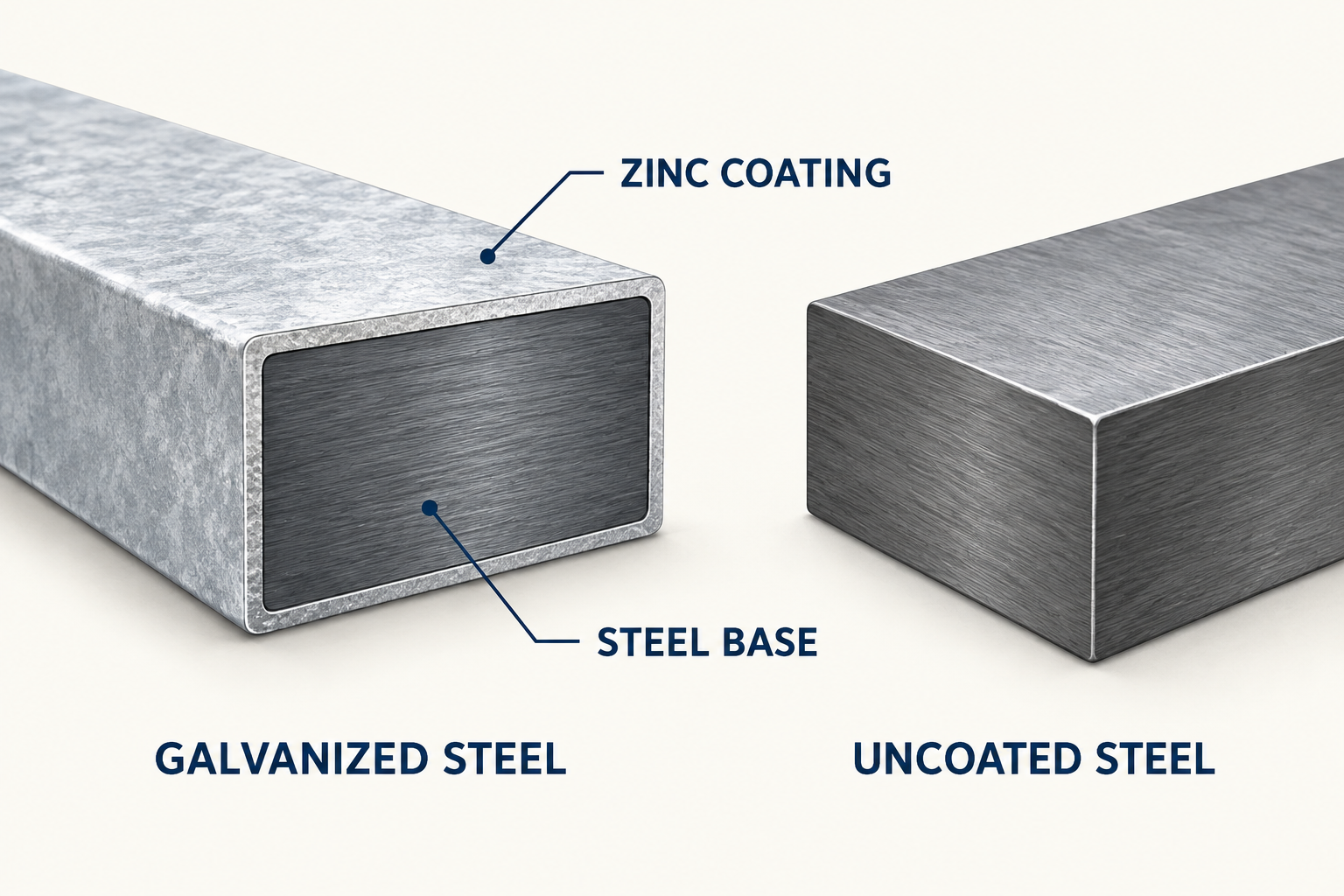
A fabricator’s material review should identify both steel grades, the coating and any other surface treatment. “Galvanized to plain steel” is a useful description of appearance, but leaves those technical inputs incomplete. Paint, residue or another treatment also belongs in the material record.
For a hypothetical bracket joining a coated member to an uncoated plate, record the member and plate specifications separately. Then record the coating condition. This gives the responsible welding professional a defined material problem instead of asking them to infer suitability from a photograph.
Preparation belongs to the assessed procedure
The coating condition near the joint is a process consideration. The cited industry guidance discusses zinc-free welding areas as well as specialized procedures. These distinctions are why an isolated removal width or a general instruction to “burn through” the coating is not a complete specification.
The responsible fabricator needs a procedure appropriate to the materials, joint and application. This includes how the coating is addressed and how preparation-related exposure is controlled. Removing visible coating cannot establish, by itself, that the remaining work is suitable or that the exposure controls are effective.
This comparison provides no grinding method, thermal-removal method, welding current, gas selection or travel speed. Those values and methods belong to the actual procedure and competent project assessment. Their absence cannot be filled by choosing a popular online setting for vaguely similar steel.
Outdoor work does not establish adequate fume control
Great Britain’s HSE guidance identifies the process, volume of work, metal and consumable as inputs to a welding-fume assessment. It also addresses outdoor work and the protection of others nearby. These are reasons to assess the actual task rather than assume that every steel-welding job creates the same exposure conditions.
The practical implication is that a location description cannot substitute for an exposure assessment. The review needs to consider the welder and other people who may be exposed. A visible reduction in smoke is not an exposure measurement or a declaration that the work meets the applicable requirements.
The same guidance starts with task-based risk assessment and considers options including avoiding or reducing welding and using suitable controls. It also addresses outdoor work: being outdoors is not a substitute for appropriate exposure controls. That is guidance for its own jurisdiction. It does not approve a US project, and the detailed protective-equipment choices should not be transplanted without the relevant assessment.
This source is Great Britain occupational guidance, not an approval of a particular US welding task. The applicable workplace and project requirements need to be resolved for the actual work. This page does not select a respirator, prescribe ventilation capacity or determine exposure compliance.
Weld acceptance and coating restoration are separate
A completed weld and a restored corrosion-protection system are different outcomes. The cited October 2026 post-weld repair guidance explains that welding after galvanizing can leave bare areas requiring coating restoration. It also places project-specific repair-material selection with the specification and responsible parties.
Therefore, a drawing or purchase request should identify how the weld will be accepted and how the affected coating will be restored and accepted. A silver-colored finish alone does not document that either requirement has been met.
Nor should a generic repair-product name be treated as evidence that the original hot-dip coating has been recreated. The selected repair needs to meet the actual project requirement and its application instructions. This article does not designate a repair product or supply coating-thickness values.
Make the project handoff answer four questions
A concise handoff can keep four decisions visible: which base steels are involved; how coating and exposure are addressed; how the weld is accepted; and how corrosion protection is restored. Attach the relevant material and project references to each decision.
In the bracket example, agreement that welding is feasible answers only the first stage of the discussion. The project still needs its assessed procedure, exposure controls and acceptance records. Keeping those questions separate helps the design team, fabricator and coating specialist identify who must resolve each missing input.