


How Do You Diagnose Repeating Planer Surface Marks?
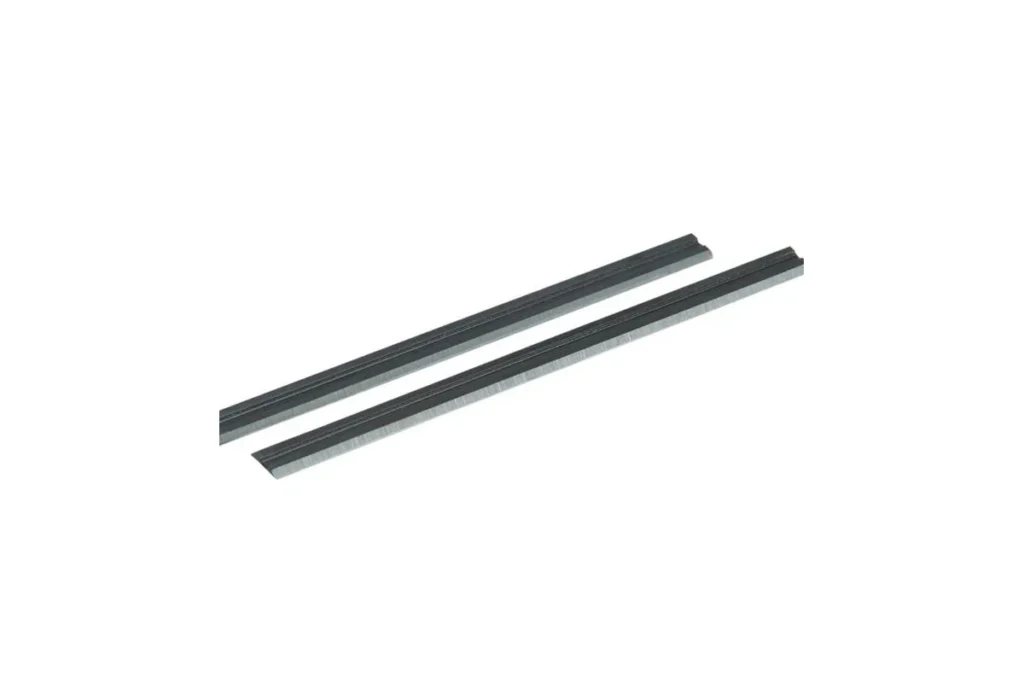
Repeating planer surface marks should be treated as an inspection problem before a replacement order is placed. Use the Planer Blades category after the symptom, knife, and cutterhead checks have been documented.
For adjacent decisions, see signs that a planer blade is dull and why a fresh planer blade can chip during setup.
Important: Do not adjust, inspect, or photograph knife components while the planer can start. Isolate the equipment first. (OSHA machine guarding overview)
Describe the mark before blaming the blade
Record whether the mark repeats at a regular interval, follows the stock grain, appears after a setup change, or occurs only with a specific workpiece. This prevents a general symptom from becoming an unsupported product diagnosis.
Inspect knife condition and seating safely
With the machine isolated, examine the knife edge, clamp area, and visible seating condition. Record observations rather than attempting to correct a component while it is energized or unsecured.
| Check point | Evidence to record | Why it matters |
|---|---|---|
| Knife geometry | Measured reference or drawing | Keeps the comparison tied to the installed configuration |
| Cutterhead details | Seat, clamp, holes, or slots | Reveals retention and alignment constraints |
| Observation method | Photo, reading locations, or controlled symptom note | Makes the review traceable |
Separate stock-related patterns from machine-related patterns
Compare the symptom across documented material pieces and conditions. A mark that changes with stock is not the same evidence as a mark that repeats consistently under comparable setup conditions.
Check the cutterhead record and recent changes
Review the last knife change, blade geometry, mounting details, and any adjustment record. This gives a maintenance team a traceable basis for deciding whether the issue needs machine service or a replacement review.
Collect observations for a replacement discussion
If a replacement is being considered, send a photo of the knife and mark, cutterhead details, workpiece description, and the observed pattern. This is more useful than asking for a generic blade based only on finish quality.
| Buyer should provide | Why it is needed | Common omission |
|---|---|---|
| Knife/cutterhead record | Connects the request to the actual equipment | Using only a generic product term |
| Measurement or symptom evidence | Defines the technical review point | Leaving out photos or reading locations |
| Trial and quantity details | Separates first check from wider release | Treating a sample as full approval |
Use a listed product page as a controlled next step
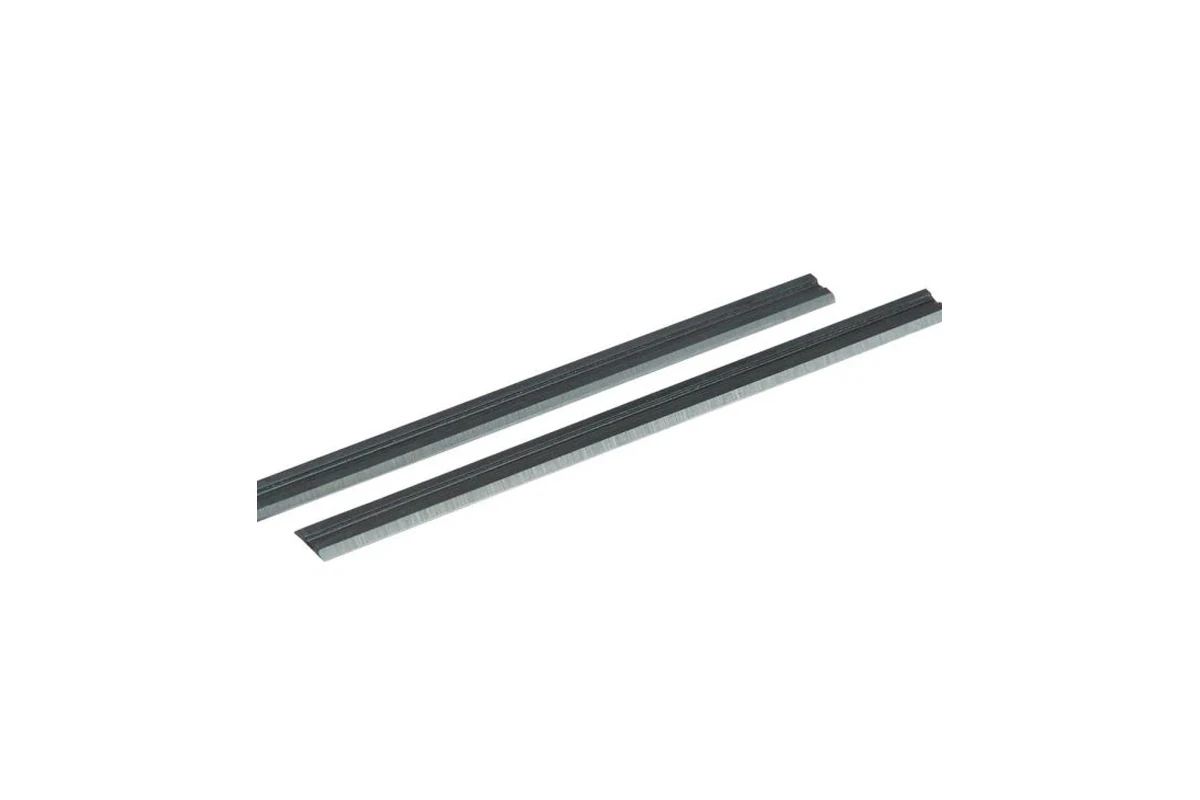
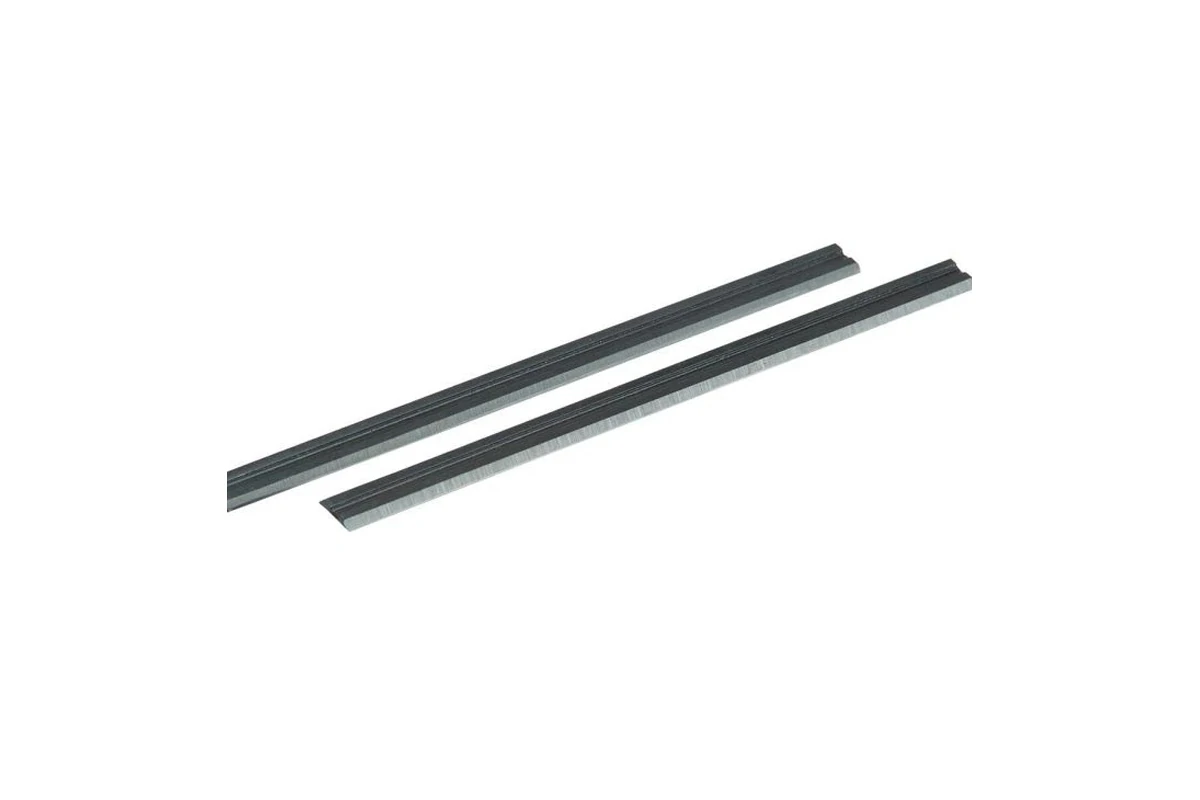
After the evidence has been reviewed, the listed HCS sharpening planer blade family can be considered as product context. It should not be presented as a guaranteed cure for every surface mark.
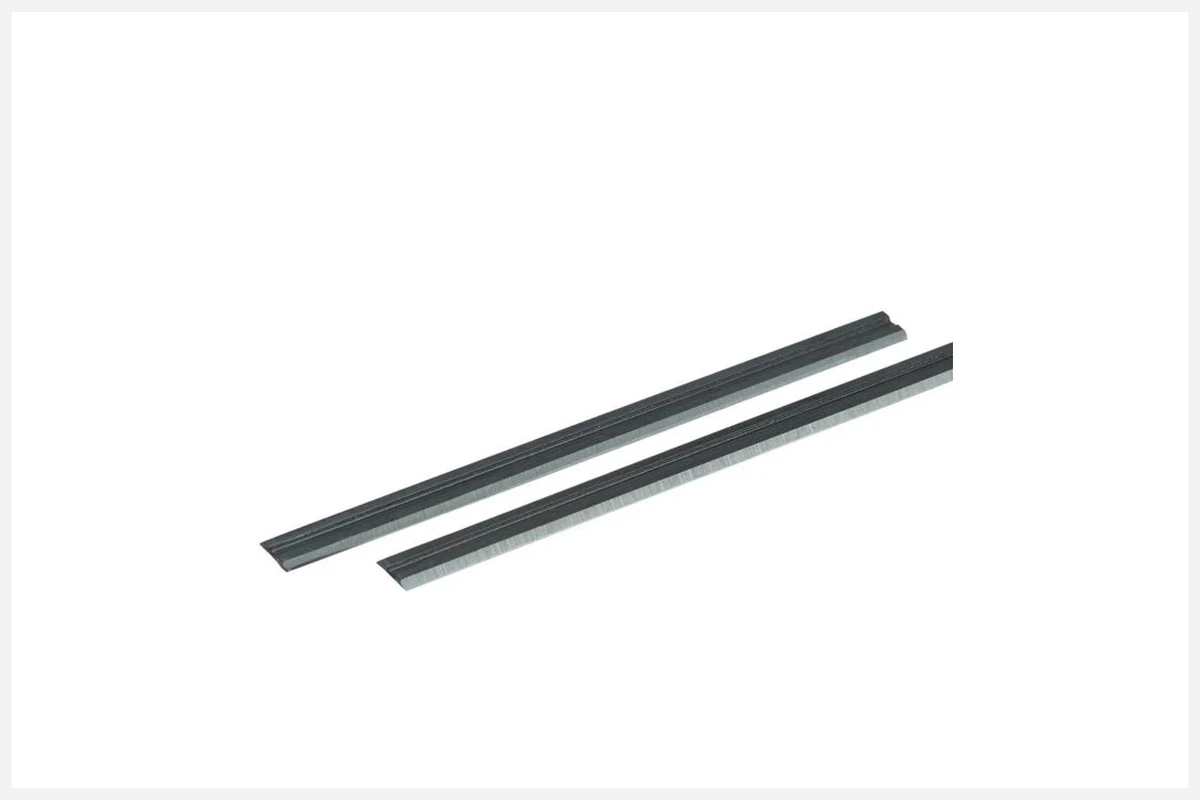
Product recommendation: review the listed planer blade family only after the inspection record is complete.
Confirm the result with a controlled first check
After maintenance or a replacement test, compare the documented symptom under controlled, safe conditions before adopting a broader ordering decision.
For an unresolved symptom, contact EACHLEAD with the observation record, knife and cutterhead photos, workpiece details, and quantity.
FAQs
What should be recorded about a repeating surface mark?
Record its spacing, where it appears, the workpiece, the setup state, and whether it repeats under comparable conditions.
Does a repeating mark always mean a dull planer blade?
No. Blade condition is one inspection point, but seating, cutterhead setup, and stock conditions also need review.
Can a buyer diagnose the problem from a product page?
No. A product page can show a listed family, while the actual symptom needs machine and workpiece observations.
What photos help with a replacement discussion?
Provide a clear knife, clamp or cutterhead, affected surface, and measurement or configuration reference where available.
When should equipment service be considered?
Escalate when the cutterhead, mounting, or machine condition cannot be safely confirmed through the documented inspection process.
How should a replacement test be evaluated?
Use the same documented material and setup conditions where safe and compare the result with the original symptom record.
References
- Planer blade measurement guide: background for documenting a knife before discussing replacement.
- HSS planer blade fitment tables: fitment context when a recorded surface symptom leads to a blade review.
- OSHA machine guarding overview: safety context for examining an isolated cutterhead.