


Which Hacksaw Blade Factors Matter for Stainless Steel?
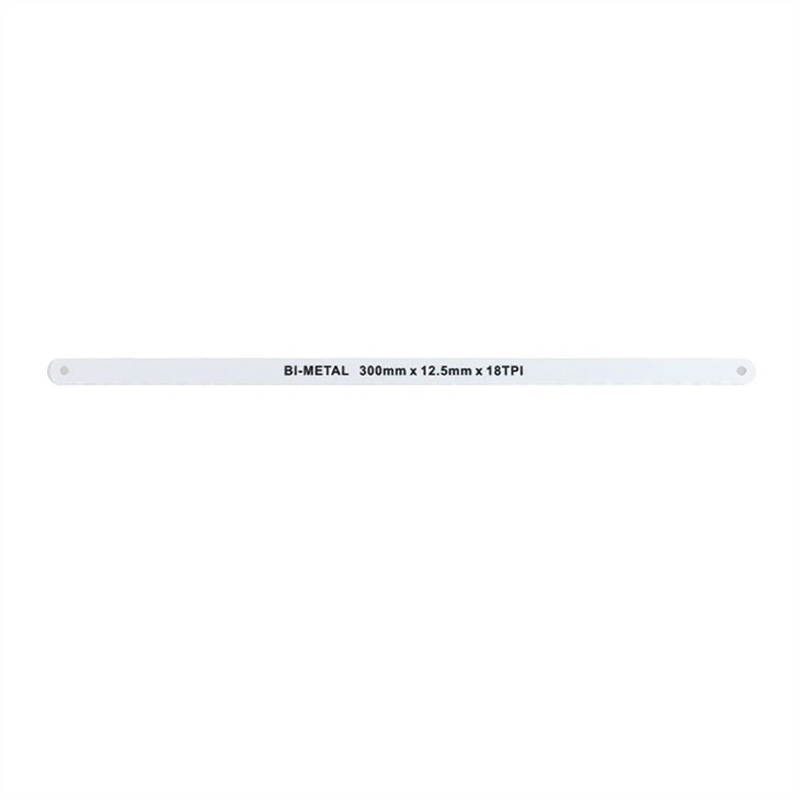
Choose a hacksaw blade for a stainless-steel workpiece from measured thickness, section shape, pitch, blade construction, and workholding—not from a category name alone. Document those inputs, then use an RFQ and sample cut to review a candidate.
Part 1. What should be identified on the stainless workpiece?
Begin with the workpiece rather than the blade label. Record thickness, section shape, available cutting access, and the hand-frame holder; these inputs make the later pitch discussion specific.
The hacksaw blade pillar is a useful route into the product family. It does not establish that a particular blade is suitable for every stainless-steel workpiece.
| Workpiece fact | How to capture it | Why it matters |
|---|---|---|
| Thickness | Measure at the planned cut | Sets the pitch discussion |
| Section | Sheet, tube, bar, or profile | Describes tooth engagement |
| Access | Clearance around the cut | Supports frame and stroke planning |
| Holder | Frame and blade mounting detail | Confirms the hand-hacksaw scope |
Part 2. Why does thickness lead the pitch discussion?
Thickness determines how many teeth can engage the workpiece at a given moment. Record the measured value and ask for pitch candidates against that actual section rather than relying on a generic “stainless” label.
For tube and thin sections, include the wall measurement and whether the cut passes through one or two walls. The metal selection guide offers a published lateral context, while the final choice remains conditional on the measured job.
Part 3. How do teeth and blade construction enter the review?
Tooth pitch and blade construction are review inputs after the workpiece is described. Keep the terminology honest: a material name for the blade does not independently prove fit for a stainless-steel workpiece.
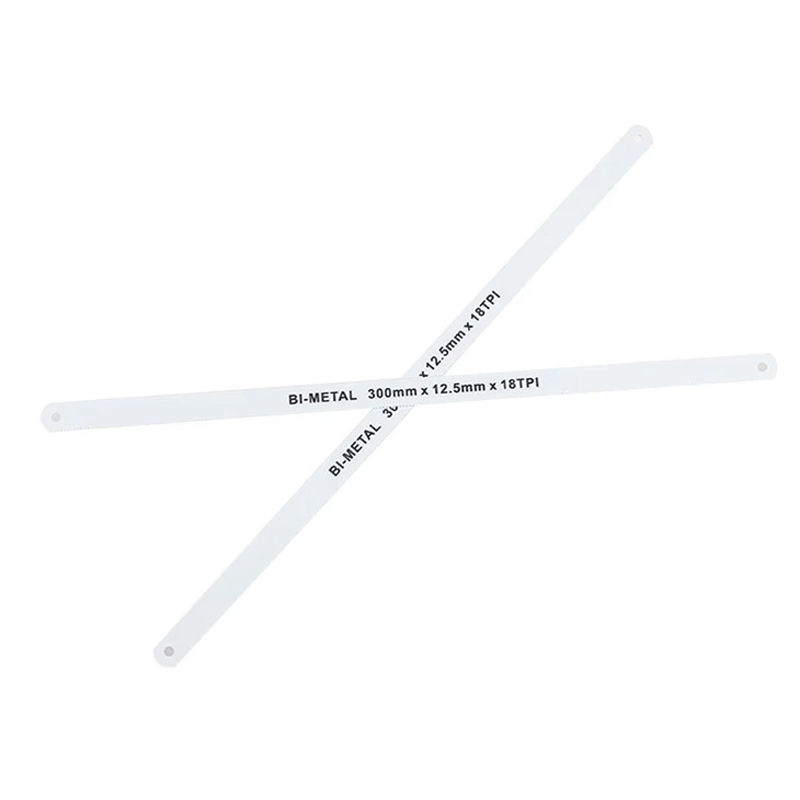
| Review input | Buyer records | Supplier can discuss |
|---|---|---|
| Thickness and section | Measured values | Pitch candidates to test |
| Holder and blade dimensions | Frame and mounting evidence | Physical family review |
| Cut access | Orientation and clearance | Practical blade-length options |
| Acceptance | Sample-cut observations | Whether another candidate is needed |
The carbide hacksaw explainer is a lateral material reference. It should not be used to imply a stainless-workpiece result that the current product listing does not state.
Part 4. What setup supports a controlled hand cut?
Secure the workpiece before cutting and keep the hand frame under control through the stroke. A moving tube or unsupported section changes the cut conditions and can make an otherwise useful pitch comparison meaningless.
Use suitable workholding and follow the tool and workplace requirements. For general tool safeguards, consult OSHA hand and portable powered tools; this reference does not replace task-specific procedures.
Part 5. What does rubbing indicate?
Rubbing is a signal to stop and review the setup. Check the measured thickness, the pitch under test, blade condition, workholding, and whether the frame can maintain a controlled stroke.
Do not turn the symptom into a life or performance claim. Record it in the sample notes so a supplier can compare another candidate against the same workpiece and holder.
Part 6. What belongs in a stainless-steel RFQ?
An RFQ should make the physical work visible. Include the workpiece and hand-frame evidence, then state what the sample cut must show for the buyer to accept a candidate.
| RFQ field | Buyer provides | Review purpose |
|---|---|---|
| Workpiece | Thickness, section, and known grade | Frames the selection discussion |
| Blade system | Hand-frame and mounting detail | Keeps machine scope out |
| Candidate inputs | Pitch and blade dimensions to test | Creates a traceable comparison |
| Sample method | Cut setup and observation record | Avoids guaranteed claims |
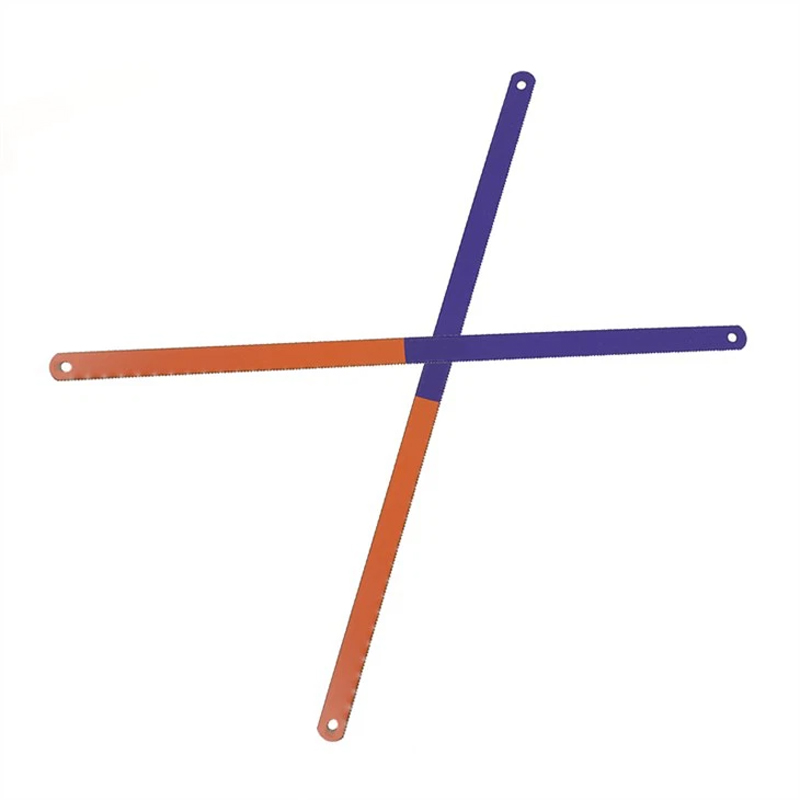
Product recommendation: review the bi-metal hacksaw blade category after the RFQ fields are prepared. It is a first-party family destination, not confirmation of a stainless-steel match or a specific model. Use Contact EACHLEAD to submit the measured application for review.
Fit Boundary
This guide fits hand-hacksaw selection for a measured stainless-steel workpiece with secure workholding. It does not cover food or medical applications, corrosion conditions, powered-machine selection, or promised cutting outcomes.
Part 7. How should a product family be positioned honestly?
Position a category as a place to begin a documented review. Name the workpiece facts and sample requirement before a product family is offered, and keep any model claim within what a current listing explicitly says.
The complete hacksaw buying guide remains useful for broader purchasing context. It does not remove the need to check the actual stainless-steel application.
FAQs
Can a hacksaw cut stainless steel?
A hand hacksaw can be evaluated for a measured stainless-steel workpiece. Confirm the workpiece, holder, pitch candidates, and sample method rather than assuming a result.
What TPI should I consider for stainless steel?
Start with the measured thickness and section shape, then request pitch candidates for a sample cut.
Why does a hacksaw blade rub on stainless steel?
Review pitch, blade condition, workholding, stroke control, and the actual workpiece measurement before continuing.
Does blade material alone decide suitability?
No. Blade construction is one input; workpiece thickness, section, holder, and the sample setup still need review.
How should stainless pipe be held for cutting?
Use suitable secure workholding that keeps the pipe stable and gives the frame enough clearance for a controlled stroke.
What should a stainless-steel blade RFQ include?
Include thickness, section, known material designation, hand-frame details, mounting, pitch candidates, workholding, and sample acceptance criteria.
Does an EACHLEAD listing guarantee a stainless-steel match?
No. A category or listing is a navigation point; verify the application through the documented RFQ and sample test.