


What Evidence Should a Buyer Send With a Half-Bore Jigsaw Blade RFQ?
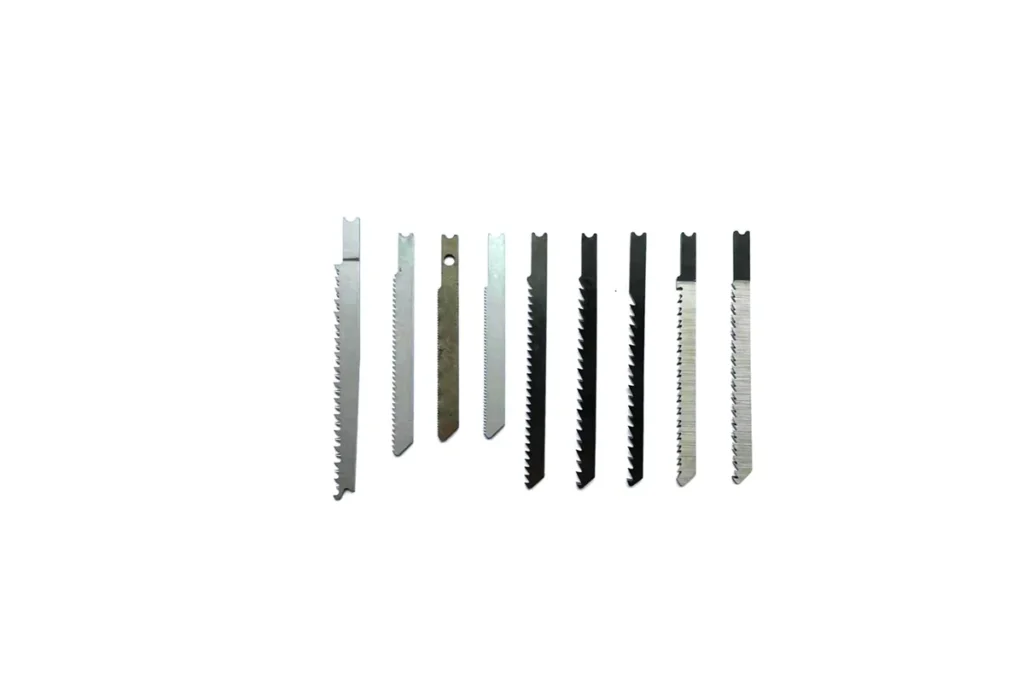
A half-bore jigsaw blade RFQ should start with the buyer’s visible reference and holder evidence, rather than an assumption that a named shank fits every tool. Review the Half Bore Type category after the RFQ record is ready.
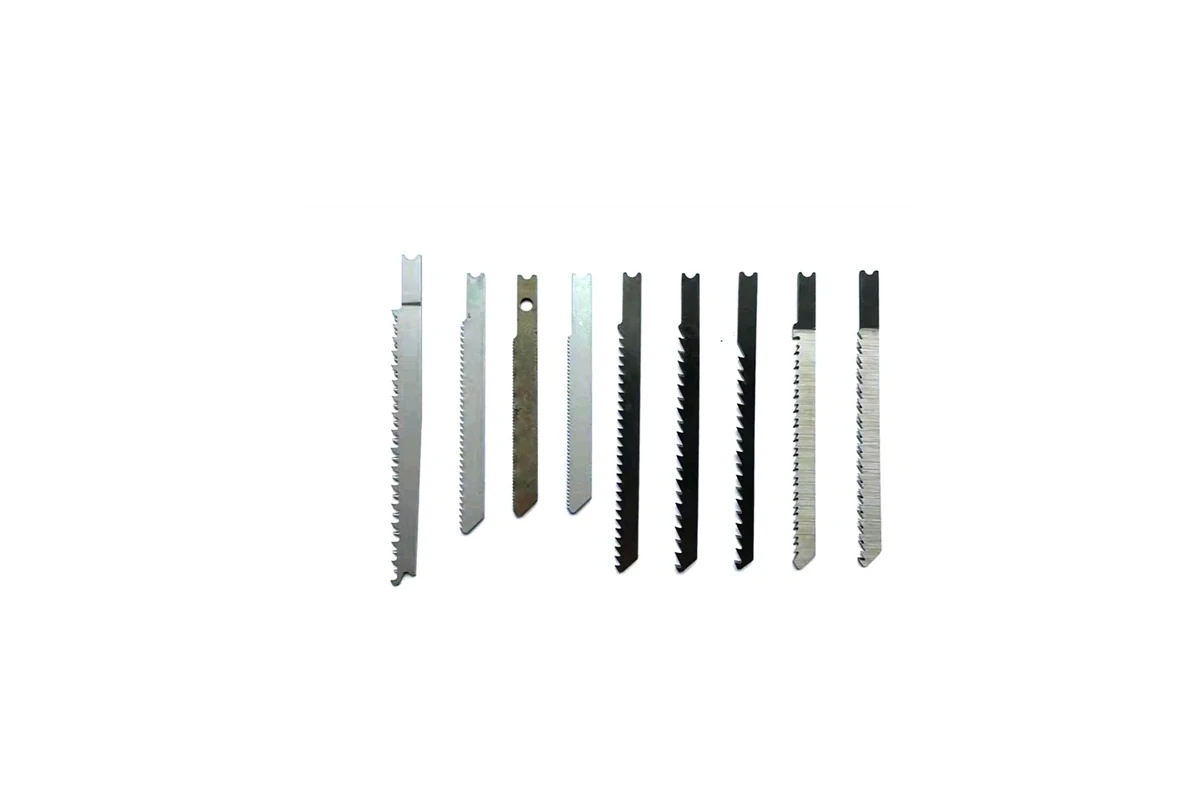
For adjacent evidence collection, see jigsaw blade shank identification records and T-shank versus U-shank considerations.
Important: Keep the tool stopped and follow its applicable guarding procedure before recording a blade or holder reference. (OSHA machine guarding overview)
Start with the buyer reference
Retain a photo, drawing, or installed reference that shows the requested blade end and the buyer’s holder context. A generic phrase such as half-bore is not a complete configuration record.
Record visible shank fields
Note observable hole or bore features, profile, width, readable marking, and any feature that distinguishes the requested blade. Mark missing fields as unknown.
| RFQ evidence field | Buyer record | Why it matters |
|---|---|---|
| Blade reference | Photo, drawing, or retained item | Grounds the request in a physical reference |
| Shank fields | Visible bore, profile, marking, or width | Makes the question specific |
| Holder record | Tool or holder reference | Keeps the fit boundary explicit |
Keep the holder evidence alongside the blade
Record the actual tool or holder reference with the blade evidence. This preserves the RFQ boundary and avoids converting a visual observation into an unsupported fit claim.
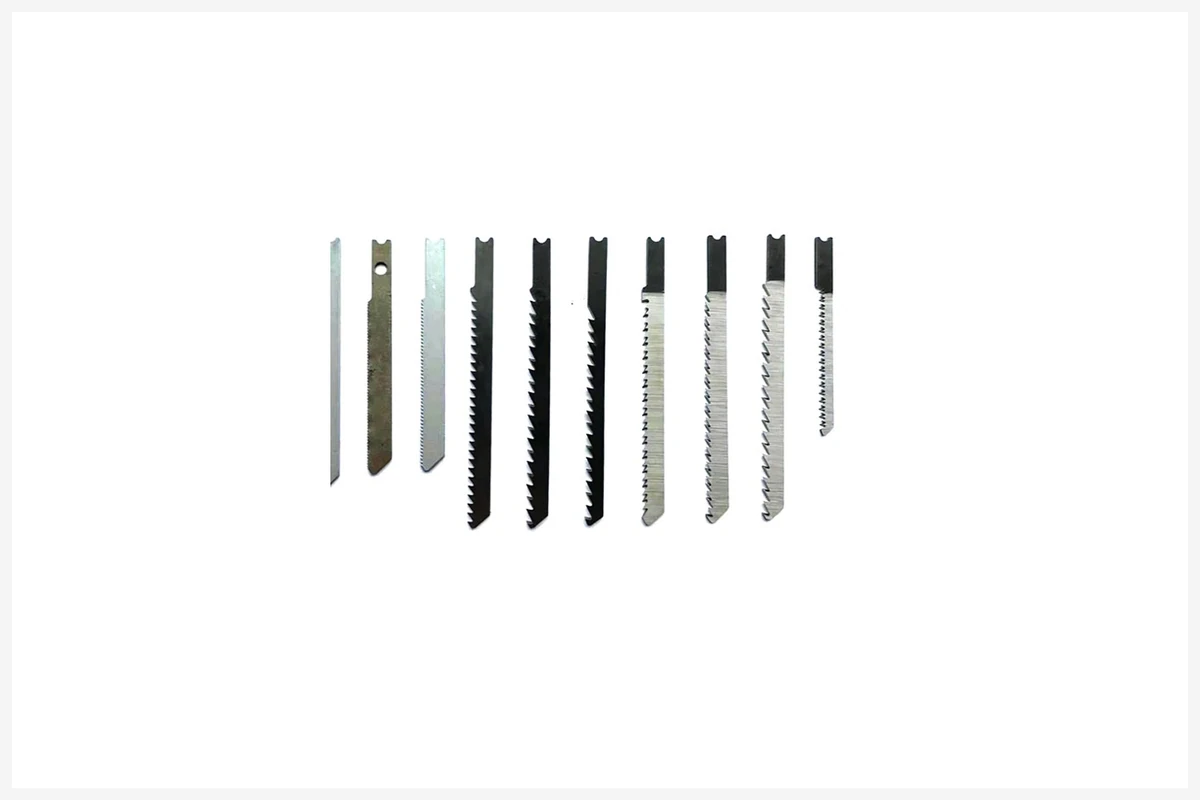
Describe the requested scope
State whether the question concerns an identified replacement, a trial, or a distributor line. Record the requested quantity separately from the configuration evidence.
Build a focused RFQ table
Provide the supplier with the reference image or drawing, visible shank fields, holder reference, application description, quantity, and exact question requiring confirmation.
| RFQ input | What to provide | Avoid |
|---|---|---|
| Physical evidence | Blade reference and holder record | Relying on a generic shank name |
| Configuration fields | Visible bore and shank features | Guessing missing details |
| Request scope | Quantity and exact open question | Calling the item universally compatible |
Use the listed product page only as context
The listed U101AO half-hole jigsaw blade page can provide product-family context after the RFQ record is complete. It does not confirm universal holder compatibility.
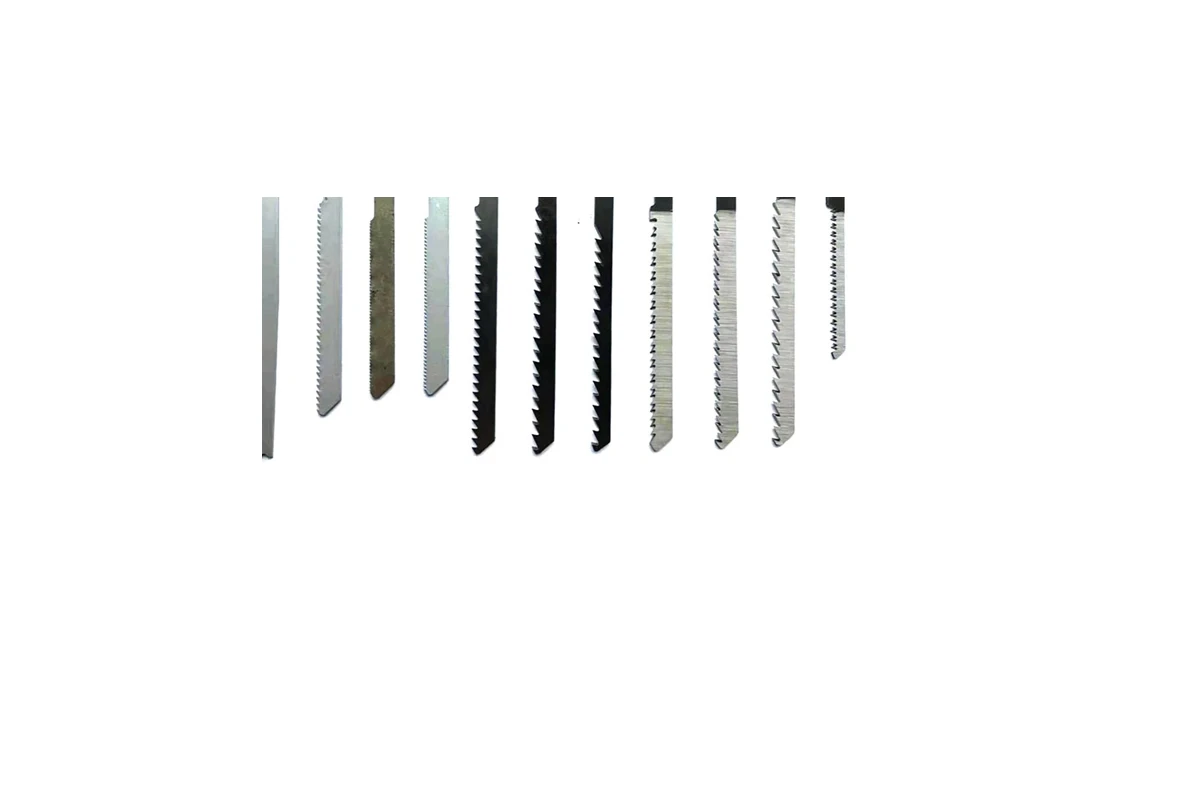
Product recommendation: review the listed jigsaw blade family after the buyer or distributor record is complete.
Escalate unresolved identification
When a shank or holder field remains unclear, ask for clarification before using the record as an order instruction.
For a half-bore sourcing question, send EACHLEAD the RFQ evidence record with blade reference, holder evidence, and quantity.
FAQs
Why is a half-bore term not enough for an RFQ?
The term does not capture the buyer’s actual blade profile, visible feature, or holder evidence.
Which shank fields should be documented?
Document visible bore or hole features, profile, width, readable marking, and the holder reference.
Does a product listing prove compatibility?
No. A listing provides product context and cannot replace buyer-specific evidence.
What should the RFQ say about quantity?
State the requested quantity separately so it is not used as a substitute for configuration information.
What belongs in a half-bore RFQ?
Include reference evidence, shank fields, holder evidence, application context, quantity, and the exact question.
When should the buyer seek clarification?
Seek clarification when an essential shank or holder field is absent or cannot be confirmed safely.
References
- HSE work-equipment guidance: context for controlled equipment and records.
- HSE woodworking guidance: general context for working with power-tool accessories.
- OSHA machine guarding overview: guarding context before retaining holder evidence.