


What Evidence Should a Curved Reciprocating Blade RFQ Include?
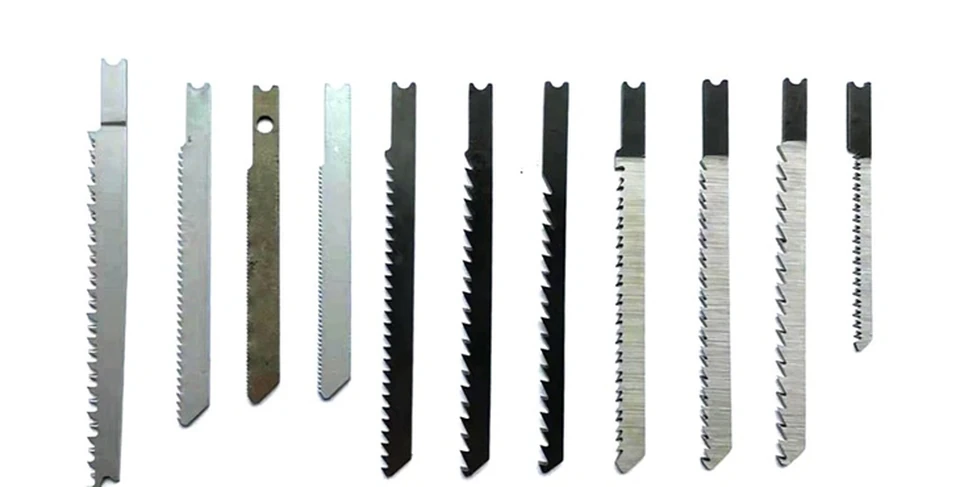
“Curved” should be treated as a buyer-supplied description that needs context. A sound RFQ keeps the source sketch or sample, tool and holder evidence, task boundary, and open questions together without turning an outline into a promised result.
- FAQs
Part 1. Define what “curved” means in the request
Ask whether the word describes the blade outline, the intended path, a supplied sketch, or a buyer’s shorthand. Record the source of the term and avoid silently replacing it with “flexible,” “short,” or another technical label.
Give the enquiry a reference and date. If the source is only a verbal description, mark that limitation and request a photo, drawing, or sample reference.
Part 2. Record tool, holder, and source evidence
Capture the tool model, holder-side evidence, and blade-side source separately. A photo of a blade without its holder does not establish how the blade is retained. A holder photo without a blade reference does not identify the requested geometry.
The flexible blade context article discusses a different application question. Use it as context only; it does not replace this enquiry’s source record.
Part 3. Describe the task and access boundary
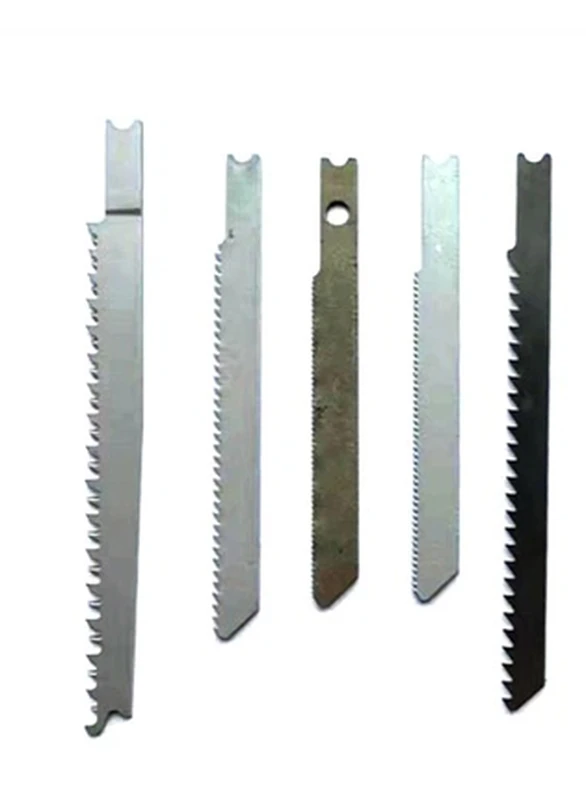
State the task material, workpiece shape, access boundary, and requested evidence. “Curved” is not enough to define the cut, and it does not establish a safe procedure or a particular blade result.
Important: Do not inspect or alter a blade on operating equipment. Follow the applicable procedure; HSE machinery guidance is a general process reference, not a task-specific blade recommendation.
Part 4. Separate geometry observation from outcome claims
Describe the visible outline, bend, or sketch notation as an observation. Keep flexibility, fit, cut control, life, and other outcomes in a separate “to be confirmed” field. This prevents a drawing mark from becoming a performance promise.
If the source has no scale or datum, say so. A supplier can then identify the additional evidence needed for a quotation without having to reverse-engineer an unstated requirement.
Part 5. Build the curved-blade RFQ evidence table
Use one row for each input and ask the supplier to identify gaps rather than issue a blanket assurance.
| RFQ field | Buyer input | Supplier clarification requested |
|---|---|---|
| Curve description | Source sketch, photo, or exact wording | Confirm which source was reviewed. |
| Tool and holder | Model, interface photo, or “not supplied” | Identify missing interface evidence. |
| Task boundary | Material, shape, access, and requested scope | State which task details remain open. |
| Geometry note | Visible outline or drawing callout | Do not infer flexibility or outcome from outline alone. |
| Documents requested | Source files and reply fields | Return the answer against the supplied references. |
Part 6. Route the enquiry and preserve unresolved items
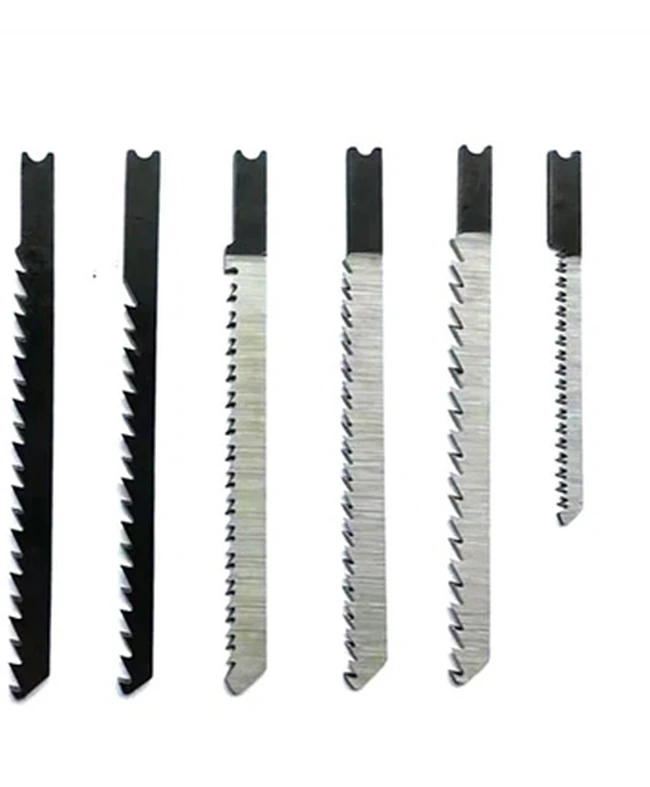
The Reciprocating Saw Blades category provides product-family routing after the evidence table is ready. It does not prove that a category image matches the buyer’s sketch.
Send the source record through Contact Us. Keep every unanswered field visible in the correspondence and do not convert the reply into a general compatibility claim.
FAQs
What can “curved blade” mean in an RFQ?
It may describe an outline, a sketch, a path, or buyer shorthand. Record the source and ask the supplier to clarify the intended meaning.
Does a sketch prove a blade will fit?
No. A sketch is evidence of the requested reference only. Tool, holder, dimensions, and configuration still need review.
Which tool evidence should accompany the request?
Send the tool identity, holder-side photo or document, blade sample or image, and any source drawing. Mark unavailable items as open.
Should task material be named?
Yes. State the material and workpiece context as buyer inputs, while keeping blade material and performance questions separate.
Can a curved outline prove a cutting result?
No. It is a geometry observation. Any outcome or fit statement requires separate evidence and supplier confirmation.
What should remain open for supplier clarification?
Keep unclear scale, datum, holder condition, material, requested dimensions, and source identity open until they are supported by a controlled response.