


Which Hacksaw Blade Construction Fits Your Metal Cut?
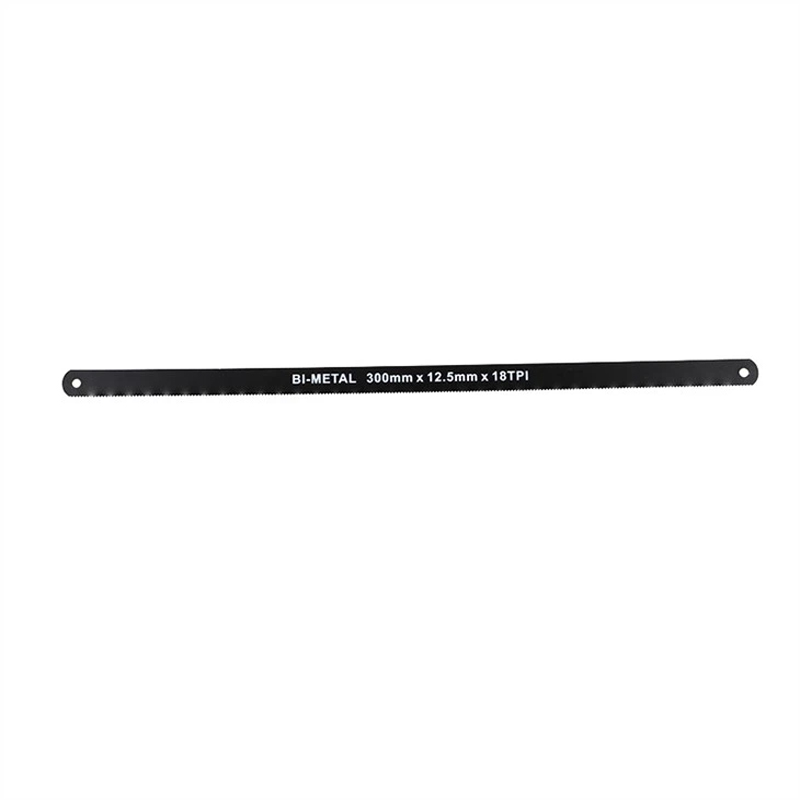
A useful bi-metal vs HSS hacksaw blades decision begins with the workpiece rather than a universal material label. Use the EACHLEAD hacksaw blade category as a commercial starting point, then document the material, section, tool frame, and intended cut.
Part 1. What does a bi-metal versus HSS comparison actually cover?
The useful starting point is the workpiece, not a universal material label. Measure or describe the section before a buyer compares tooth pitch or construction.
Capture material description, measured section, blade length, tooth pitch, and acceptance requirement in the purchase record.
Part 2. How do tooth edge and backing change the discussion?
A blade marking becomes useful only after it is tied to the cut that is planned. Note the material condition, contact area, and whether the blade will be guided through a straight line.
A repeatable order note should name the material, section, frame length, blade marking, and cut requirement.
| Decision field | What to confirm | Why it matters |
|---|---|---|
| Workpiece | Material, section, and thickness | Establishes a realistic tooth-pitch starting point |
| Cut geometry | Straight cut, access, and finish need | Prevents a label-only choice |
| Workholding | Clamp, backing, and vibration control | Separates setup problems from blade selection |
| ## Part 3. Which workpiece conditions should drive the choice? |
Workholding changes the selection conversation because movement can imitate a tooth-pitch problem. Secure the stock and consider backing where the section can flex during the stroke.
This selection record gives another reviewer a way to compare the requested blade against the real application.
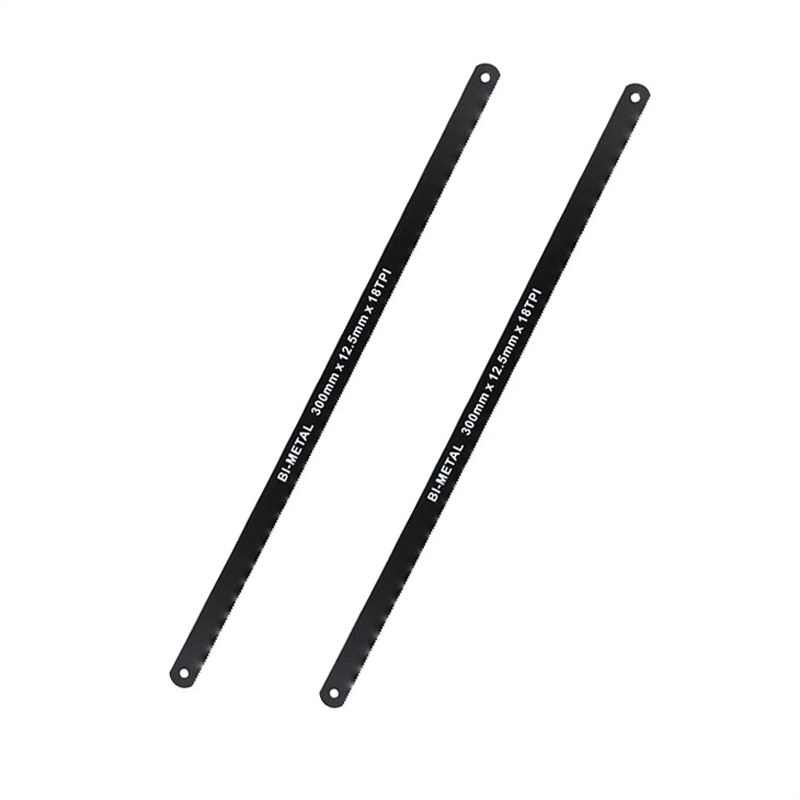
Use the related Hacksaw Blades for Metal article for broader metal-cutting context. It is a lateral reading path, not proof that the same blade specification fits every material form.
Part 4. How should buyers use TPI alongside blade construction?
Symptoms during a cut provide a practical reason to pause the ordering decision. Catching, wandering, or vibration should lead back to support, alignment, and engagement checks.
Documenting those inputs makes later troubleshooting more specific than a request for a replacement blade.
| Observed condition | Review first | Avoid assuming |
|---|---|---|
| Teeth catch or skip | Engagement and sheet support | A universal TPI rule |
| Cut wanders | Frame tension and alignment | That blade construction alone caused it |
| Edge needs cleanup | Cut requirement and process | A guaranteed finish from one blade |
| ## Part 5. Where does carbide fit, and where does it not? |
Material names alone leave important details unanswered. Shape, surface condition, coatings, and nearby features can change what needs to be reviewed.
Keep the measured condition with the SKU request so a catalog label is not asked to carry the whole decision.
Carbide belongs to a separate material conversation. Readers who need that distinction can review Carbide Hacksaw Blade Explained. Do not treat that article as evidence that carbide, HSS, and bi-metal blades are interchangeable.
Part 6. What should appear in a construction-comparison RFQ?
An RFQ works best when it turns a request into observable inputs. Give the supplier the dimensions, frame context, existing marking, and acceptance check.
The request should state the observable inputs that a supplier can assess rather than a performance promise.
| RFQ input | Buyer supplies | Supplier can review |
|---|---|---|
| Material and section | Grade description and dimensions | Candidate tooth range and listed family |
| Tool and blade | Frame size and current marking | Length and compatibility context |
| Acceptance check | Sample stock and visual requirement | Whether a trial is needed before standardizing |
Product recommendation: after the input fields are complete, review the EACHLEAD hacksaw blade category and send the application details through contact EACHLEAD.
Fit Boundary
The category is a commercial starting point, not a universal recommendation. Do not standardize a blade where the tool frame, material, section, support, or required result remains unknown.
Part 7. How can a distributor prevent a misleading substitution?
A controlled sample prevents a stock program from being based on an untested assumption. Keep the result with the SKU record so a later substitution can be compared against the same conditions.
Store the sample condition and resulting observation with the stock record before an alternative is approved.
A stock label should preserve the details that controlled the original choice. For an additional selection workflow, see Hacksaw Blade Buying Guide. If a cut issue appears, record the workpiece and setup before replacing an item or assigning an alternative SKU.
FAQs
What is the difference between bi-metal and HSS hacksaw blades?
Compare the listed blade construction with the actual metal, section, tooth engagement, frame, and acceptance requirement. A label alone does not establish a universal fit.
Is an HSS hacksaw blade always the better choice?
TPI states teeth per inch. It is useful only when read with the workpiece section, support, and intended cut.
Does bi-metal describe the whole hacksaw blade?
A fine pitch can be a reasonable review point for thin material, but it does not guarantee cut quality or replace sample testing.
How does TPI affect a bi-metal versus HSS decision?
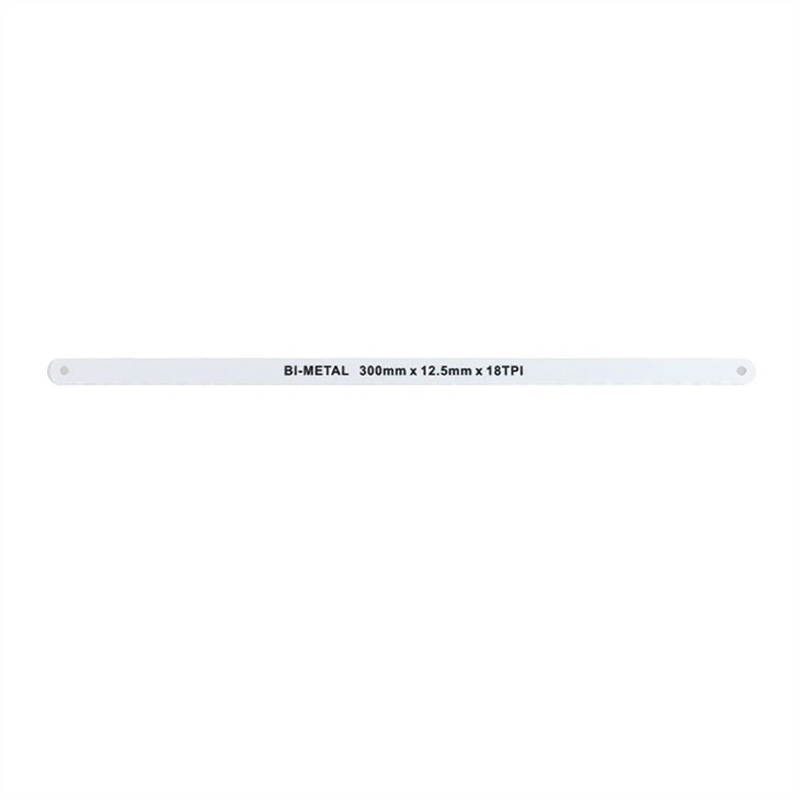
Eighteen TPI may be considered when the material section and tooth engagement support it. Confirm the blade listing and the actual workpiece first.
Are carbide hacksaw blades the same as HSS blades?
Use enough engagement to avoid an unstable tooth-by-tooth action, then verify the choice on representative stock when the result matters.
What should I send with a hacksaw blade RFQ?
No. Support, alignment, material condition, and the tool frame can change the outcome and need their own review.
Can one hacksaw blade cover every metal job?
Include material, measured section, shape, tool frame, blade marking, TPI preference, support method, cut geometry, and acceptance condition.