


When Does an 18-Inch Sawzall Blade Need Extra Support?
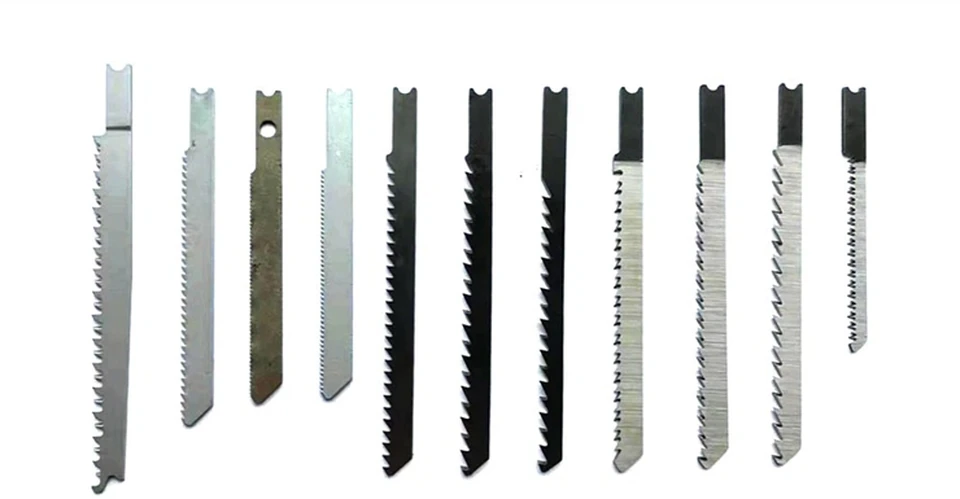
An 18-inch request should explain the support question without making the length carry a technical conclusion. Keep the source, overhang context, tool and holder evidence, workpiece access, and supplier questions together.
- FAQs
Part 1. Define the support question
State whether the buyer is asking about an observed overhang, a workpiece access concern, a quotation input, or a document review. Record where the 18-inch value came from and whether it is a controlled requirement or a planning estimate.
Avoid replacing a buyer’s support question with “bending,” “deep cutting,” or another outcome phrase. Those are separate questions that require their own evidence.
Part 2. Record source, tool, and holder evidence
Keep the blade source, tool identity, and holder-side evidence in separate fields. A blade photo alone cannot show the support condition. A tool name alone cannot establish the requested interface or workpiece access.
If one source is missing, mark it as open and ask for the specific file or view needed for review.
Part 3. Describe overhang and access without predicting an outcome
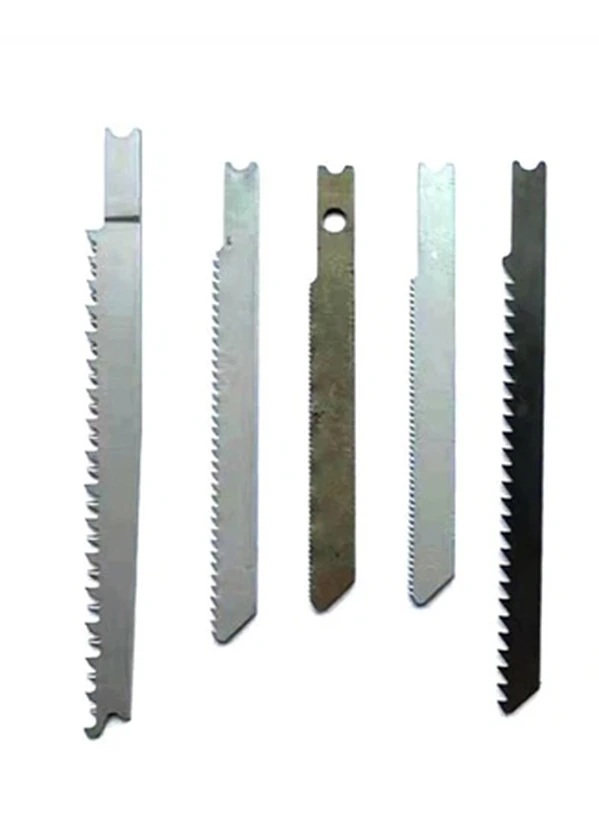
Record the stated overhang reference, support location if known, access direction, obstruction, and workpiece context. These fields explain the buyer’s concern without predicting bending, control, cut depth, or service life.
Important: Do not inspect or alter a blade on operating equipment. Keep any permitted observation within the HSE work-equipment procedure; this is process guidance, not a blade-use instruction.
Part 4. Separate support inputs from performance claims
Use a separate open field for any requested support arrangement, supplier recommendation, or performance question. This keeps an observation about overhang from becoming a support design or a product guarantee.
When the workpiece or holder is not documented, state that limitation. A length value cannot close those evidence gaps.
Part 5. Build an 18-inch support RFQ table
Use one row for each source and question so that a supplier can respond against the same references.
| RFQ field | Buyer input | Supplier clarification requested |
|---|---|---|
| Length reference | 18-inch wording and source | Confirm the source reviewed. |
| Overhang context | Visible or measured reference | Identify missing datum or support information. |
| Tool and holder | Model, interface image, or “not supplied” | State which interface details remain open. |
| Access and workpiece | Obstruction, direction, and task context | Clarify what additional task evidence is needed. |
| Requested scope | Quote, support question, or document review | Reply to the stated scope only. |
The 16-inch reach RFQ record uses a different length and reach boundary. It should not be treated as a support decision for an 18-inch request.
Part 6. Route the enquiry with unknowns intact
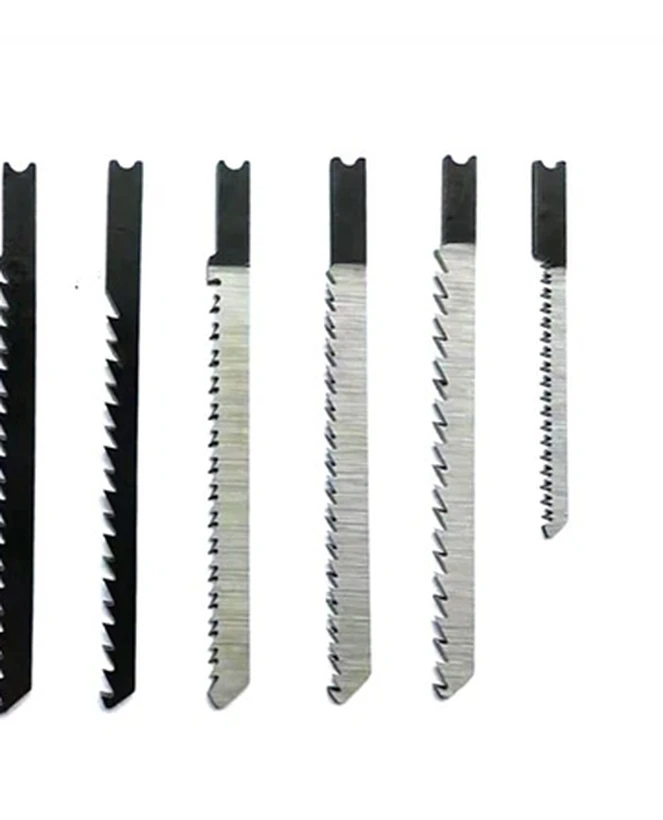
The Reciprocating Saw Blades category is a product-family route after the evidence table is ready. It cannot confirm a support arrangement from a length label.
Send the source files and table through Contact Us. Keep unresolved holder, support, and task fields visible until the supplier replies against the same references.
FAQs
What does extra support mean in an 18-inch RFQ?
It is a buyer question about overhang, access, or a support condition. Record the source and context rather than treating it as a confirmed design requirement.
Does blade length prove a support requirement?
No. Length is one input. Support depends on the complete tool, holder, access, workpiece, and supplier review context.
Which overhang details should be recorded?
State the source, datum, visible or measured reference, support location if known, and any access obstruction. Mark missing details as open.
Can a blade photo show support conditions?
No. It can show the blade reference only. Tool, holder, workpiece, and support context require separate evidence.
Should workpiece access be included?
Yes. Record the approach direction, obstruction, and workpiece context. These are inputs, not promises of a cutting outcome.
What should a supplier confirm?
Ask the supplier to identify the reviewed source, flag missing support evidence, and respond to the stated enquiry scope.