


What Is a Planer? How Planer Blades Affect the Cut
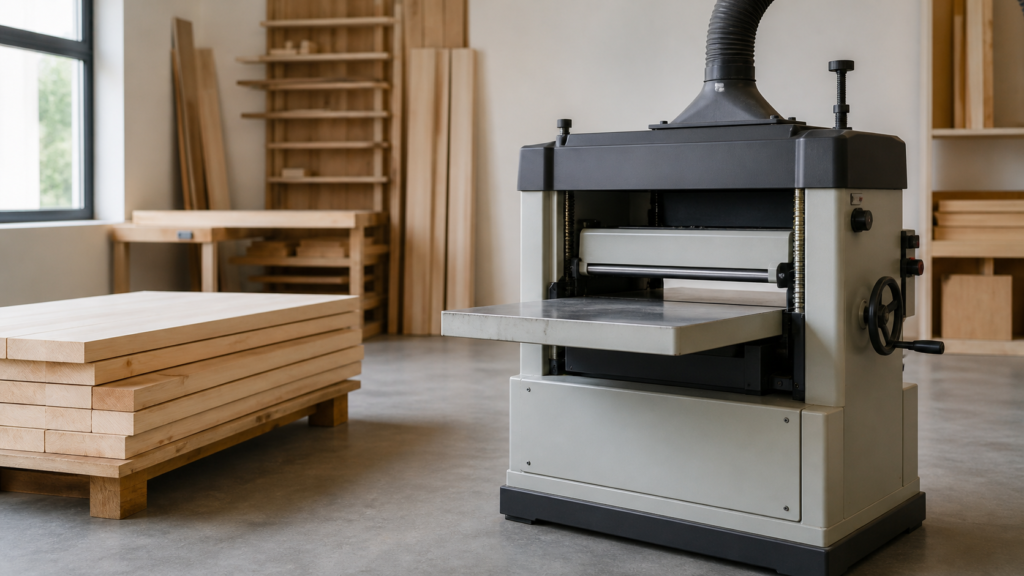
What is a planer? In woodworking, it commonly refers to a machine that brings boards to a consistent thickness; it is distinct from a jointer, which is used to establish a flat reference face or edge. The exact name can vary by market, so a useful article or purchase request must identify the machine function before discussing its knives.
This distinction prevents a frequent ordering error: treating “planer blade” as enough information. The cutterhead, knife geometry, mounting arrangement, and workpiece objective belong to the actual machine and model. Start by identifying what the equipment is meant to change in the stock, then build the replacement record around that machine.
What is a planer in woodworking?
A thickness planer feeds a board through a cutterhead arrangement to reduce material from the presented face and make the board thickness more consistent. OSHA describes planers as machines that dress and size rough-sawn lumber to an even thickness. That functional definition is more useful than a product-category label because it tells the reader what outcome the tool is designed to control.
The word “planer” can be used differently across regions and tool categories. When the discussion concerns replacement knives, do not rely on the name alone. Confirm the thicknesser or planer machine identity before comparing parts.
Planer and jointer: separate jobs
A planer and a jointer are often discussed together because both participate in preparing lumber, but they do not have the same starting reference or intended outcome. A jointer is used to establish a flat face or edge; a thickness planer is used to make the opposite dimension more consistent relative to the face presented to it. That is why a board-preparation plan may involve more than one operation.
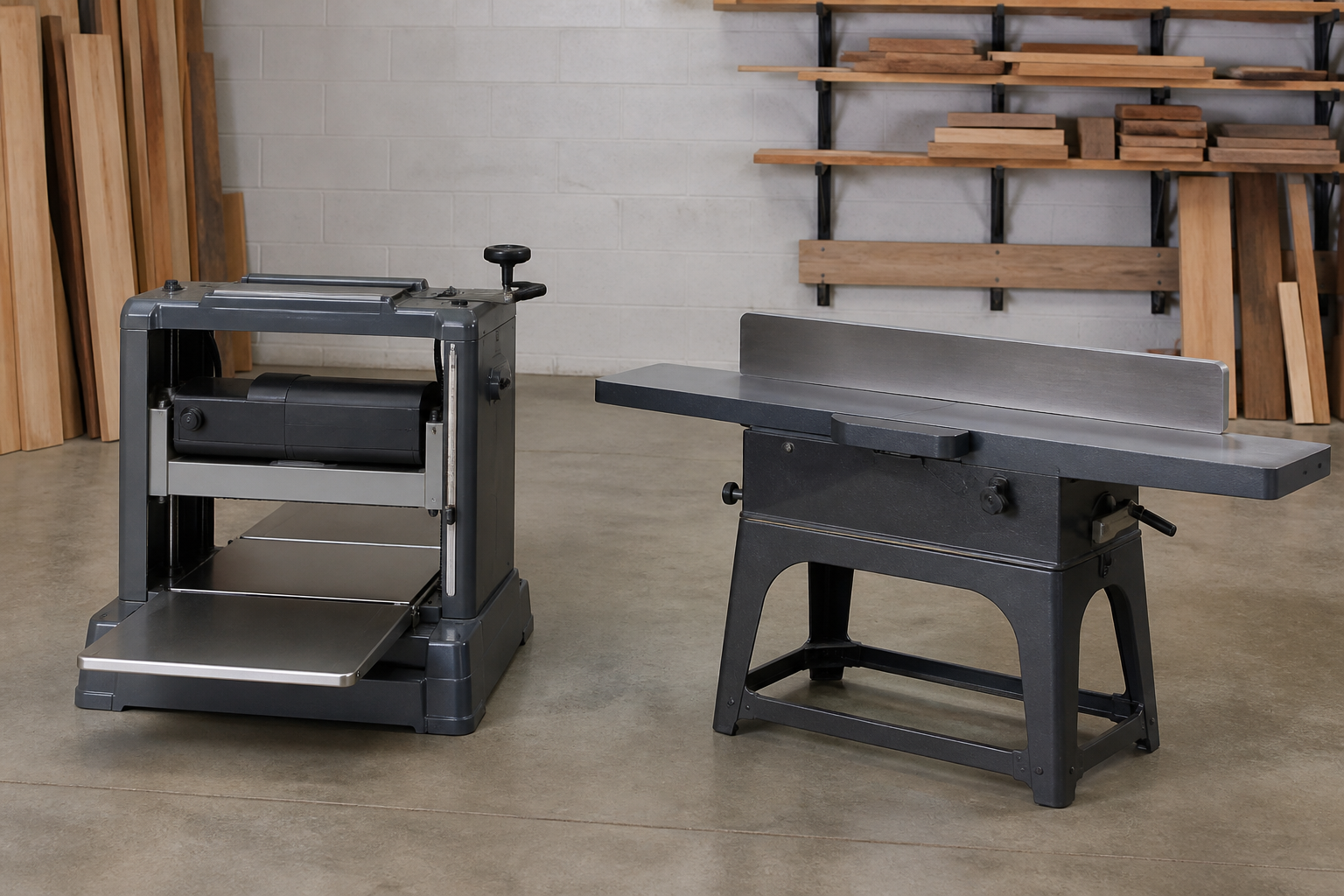
The practical implication is simple: do not ask a knife supplier to infer the machine from a broad description of the board. State the machine type, the cutterhead or existing knife details, and the outcome that matters to the job. That is more reliable than using “planer” as if it described a universal blade shape.
How planer knives enter the decision
Planer knives are replacement components for a particular cutterhead system. Their length, width, thickness, edge configuration, holes or notches, and mounting method are all compatibility fields. A material name alone does not prove that a knife can be installed or that it is appropriate for the machine.
For a clear request, preserve the machine identification, then record the current knife’s dimensions and mounting features and any documented manufacturer part reference. Compare a named replacement record against those fields. This article explains the equipment category; it does not prescribe a knife size or setup for an unknown machine.
Identify the tool before comparing parts
A wood planer may be described by a shop task, but a replacement review needs a machine record. Start with the manufacturer and model if they are available, then retain the cutterhead description, the current knife’s dimensions, its holes or notches, and the mounting arrangement. Keep these as separate fields because a similar-looking edge does not establish that the part belongs to the same system. If the machine cannot be identified, pause the comparison and obtain the machine documentation or an existing part reference rather than asking a supplier to infer a universal planer blade.
Use the category as a model-review route
After the machine is identified, use the EACHLEAD planer blade category to locate relevant knife families and then review the named product record. The category helps route the comparison; it does not confirm fit without the cutterhead information.