


What Should a Double-Sided Reciprocating Blade RFQ Record?
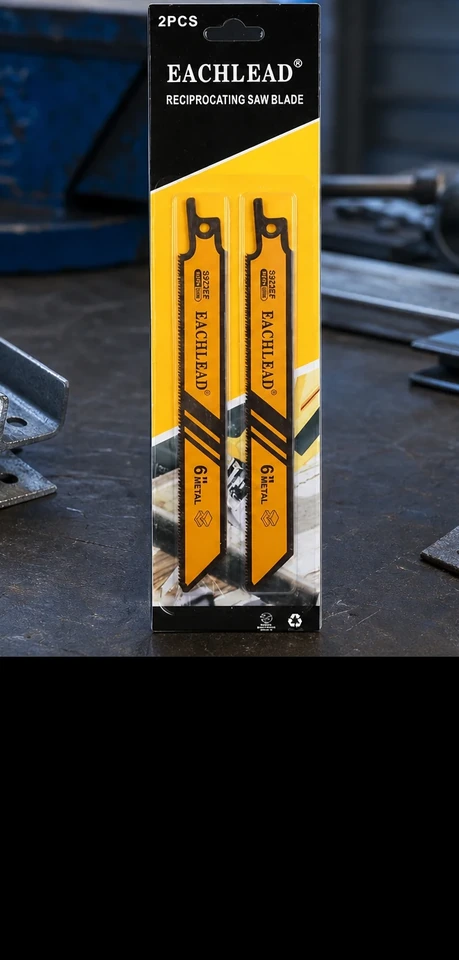
“Double-sided” should stay connected to the buyer’s source rather than becoming a product conclusion. A useful RFQ preserves the visible description, the source views, the holder context, and the open questions that still need a supplier response.
- FAQs
Part 1. Define the double-sided description
Ask the buyer what the description refers to: a visible feature, a sample note, a drawing, or a shorthand request. Record the exact wording and the source date. Do not replace the phrase with an assumed technical definition.
Where the buyer has only an informal image, identify it as a reference image. A supplier can then request a better view or controlled document rather than infer a configuration.
Part 2. Preserve source views and text
Attach every available view and transcribe visible text exactly. Give each image a stable reference, such as DS-01 front or DS-01 reverse. If one side is not shown, record “view not supplied” rather than assuming the same feature is present.
Keep labels, dimensions, and source comments in separate fields. This makes it clear which item is observed and which item is a buyer request.
Part 3. Keep holder evidence separate
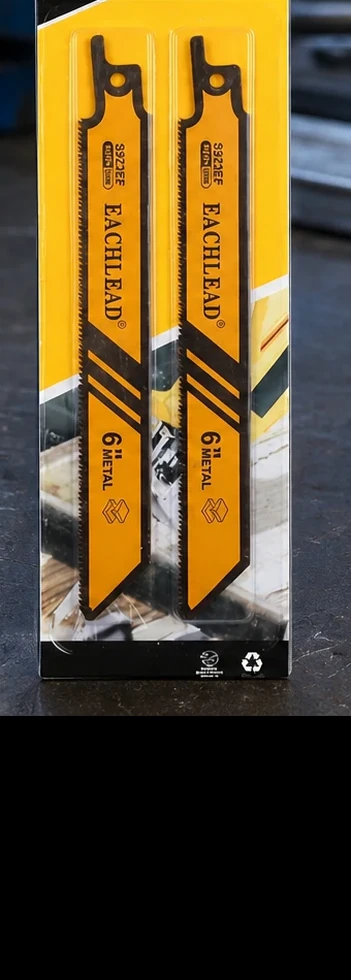
A blade-side photo does not establish the tool or holder condition. Record the holder-side image or tool identity separately, then link it to the same RFQ reference. This prevents a visible blade feature from being read as a fit statement.
Important: Do not inspect, photograph, or alter a blade on operating equipment. Follow the applicable procedure; HSE machinery procedure reference is general process guidance, not a blade-use instruction.
Part 4. Describe the requested scope without an outcome claim
State what the supplier is being asked to review: identification, quotation scope, source-document check, or clarification of an observed description. Keep performance, cutting outcome, life, and compatibility outside that statement unless controlled evidence separately supports them.
An open field is useful when a requirement is not yet defined. It gives the supplier a place to request more information without converting uncertainty into a promise.
Part 5. Build a double-sided RFQ record
Use a table that connects each visible item to a question. The supplier reply should identify the buyer reference it addresses.
| RFQ field | Buyer input | Supplier clarification requested |
|---|---|---|
| Source description | Exact double-sided wording and source | Confirm which wording was reviewed. |
| Reference views | Image IDs, sample ID, or drawing revision | Identify missing or unclear views. |
| Holder evidence | Tool identity or interface image | State which holder details are still needed. |
| Requested scope | Quote, document review, or sample query | Reply to the stated scope only. |
| Open fields | Unknown geometry, material, or dimensions | List the evidence needed to close each field. |
The curved-blade RFQ evidence article covers another buyer description. It should not be used to infer a double-sided configuration.
Part 6. Route the enquiry with unknowns intact
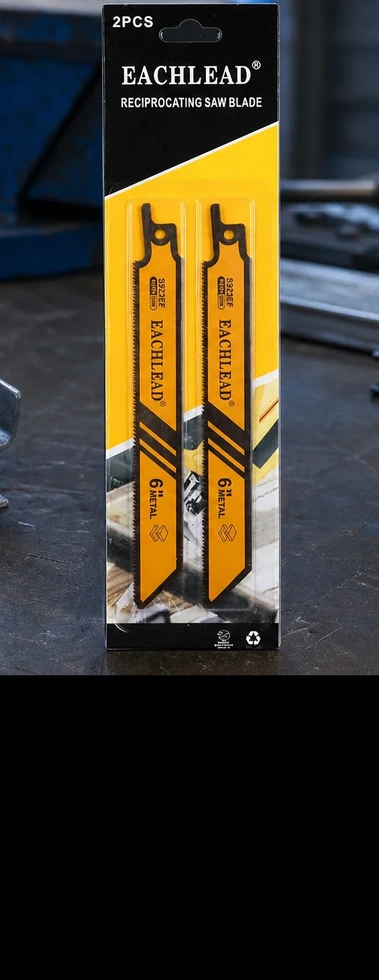
The Reciprocating Saw Blades category can provide product-family context after the evidence record is complete. It does not prove that a category image matches the buyer’s source.
Use Contact Us to send the table, source views, and unanswered questions. Keep the response tied to those references rather than treating it as a general compatibility statement.
FAQs
What can double-sided describe in an RFQ?
It can be buyer shorthand for a visible feature, sample note, or drawing statement. Preserve the source and ask the supplier to clarify the intended configuration.
Does a photo prove a double-sided configuration?
No. A photo records what is visible in that image. Other sides, holder conditions, and requested details may still be unknown.
Which holder evidence should accompany the record?
Provide tool identity, interface photo or document, and the blade-side reference. Mark missing holder information as open.
Should both views be attached?
Attach each available view and name it clearly. If a view is absent, record that limitation instead of completing the record by assumption.
Can a category page confirm the requested blade?
No. The category page gives product-family context only. It cannot confirm an individual source description or configuration.
What should a supplier clarify?
Ask the supplier to identify the reviewed source, flag missing evidence, and respond to the stated scope. Keep unresolved geometry, material, and holder fields visible.