


What Drawing Markups Should a Jigsaw Blade RFQ Clarify?
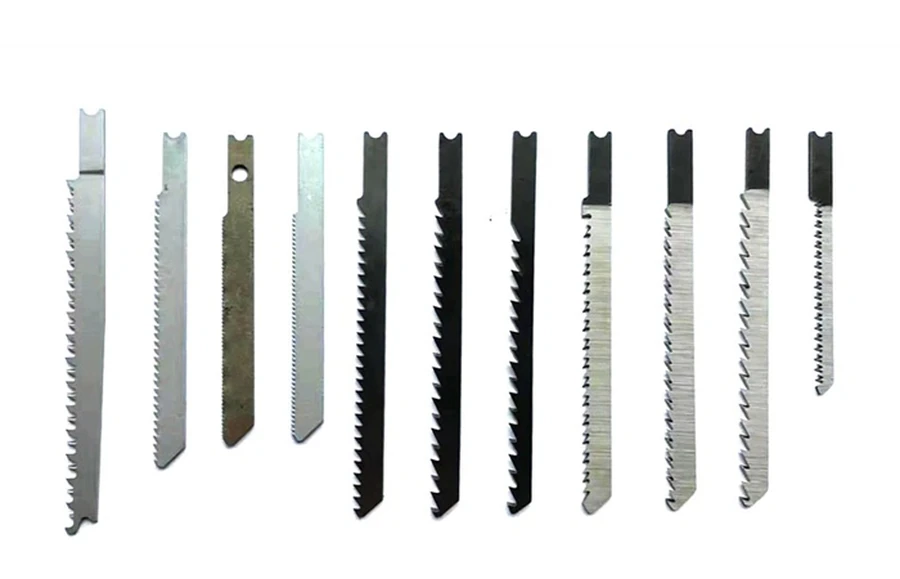
When a jigsaw blade RFQ begins with a drawing, the drawing should be handled as a controlled input rather than as a shortcut to a fit decision. Record what the mark actually shows, identify what it does not show, and ask the supplier to clarify the gaps.
- FAQs
Part 1. Treat the drawing as a controlled input
Start with a file name, revision label, source, and the date received. If a buyer has only a cropped image or a hand-marked scan, say that plainly in the enquiry. A supplier can then respond to the evidence that exists instead of being asked to interpret an unrecorded condition.
Add a short purpose line as well. For example, the drawing may be a comparison reference, a sample-identification aid, or a request to quote against stated fields. That wording keeps an RFQ from sounding like an approval of an unverified design.
Part 2. Separate visible marks from missing information
Use two columns while reviewing the page: observed marks and open items. An observed mark could be a hole, a shoulder, a tooth area, or an overall outline. An open item might be the exact material, tolerance, thickness, or holder geometry.
This split matters because a line or arrow can be useful without being complete. Do not convert a familiar-looking feature into a claim that every matching-looking blade has the same configuration. A clear open-item list is more useful than a confident guess.
Part 3. Mark the blade interface without inferring fit
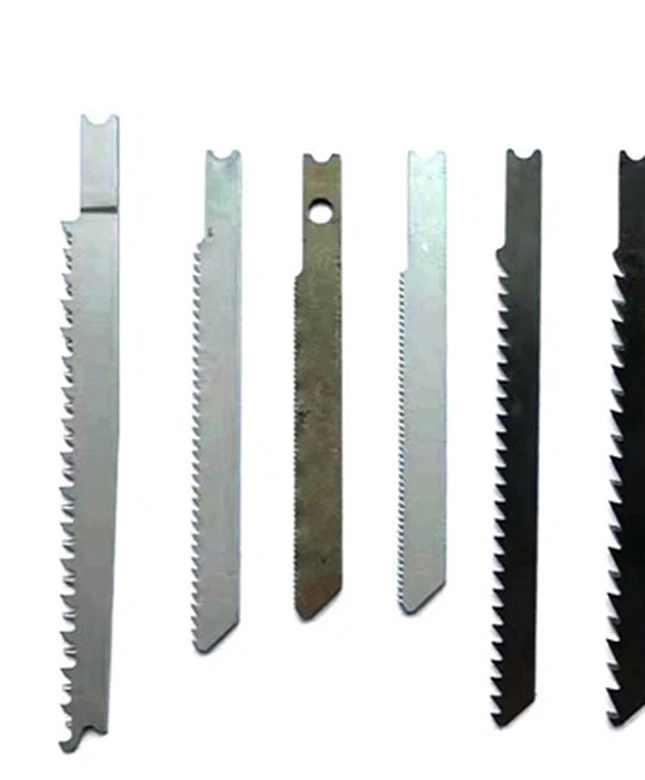
Point out the visible shank end, slots, holes, and shoulders with neutral language such as “visible profile to be confirmed.” Add the holder or tool-side reference as a separate attachment when one is available. A blade image by itself does not establish how far it enters a particular holder or whether the clamp condition is comparable.
For a practical companion record, see this jigsaw blade shank identification record. It helps keep a photo reference, a visible feature, and an unanswered compatibility question in different fields.
Important: Any observation around powered equipment should remain within the applicable safe-use and guarding procedure; HSE work-equipment guidance is a general process reference, not a blade-use instruction.
Part 4. Identify which dimensions need a unit and datum
An arrow is not enough when a dimension influences the request. Note the unit, the two points being measured, and whether the value comes from a drawing, a sample, or an estimate. If the start point is unclear, label the datum as unresolved instead of creating a false exact number.
Useful fields include overall blade length, working-area reference, shank-end geometry, and the location of any marked feature. Avoid adding a tolerance unless the buyer’s controlled document already specifies one or the supplier confirms the requested basis.
Part 5. Turn annotations into RFQ questions
The RFQ should carry the document control and the unanswered questions together. This makes later comparisons easier because a revised answer can be tied to the same input rather than to a vague email description.
| RFQ field | What to provide | How to word an open point |
|---|---|---|
| Drawing identity | File name, revision, date, and source | Confirm whether this is the current reference. |
| Interface sketch | Visible shank and holder-side images | Confirm the requested interface from the supplied evidence. |
| Dimension callouts | Unit, datum, and source of each value | Identify any value that needs confirmation. |
| Material note | Buyer requirement or “not stated” | Do not infer a grade from appearance. |
| Requested scope | Quantity context and required documents | State what must be quoted and what remains open. |
The half-bore RFQ evidence record offers a narrower example of keeping configuration evidence and a request boundary together. It should not be used to turn a drawing into a universal-holder statement.
Part 6. Route category context without making a recommendation
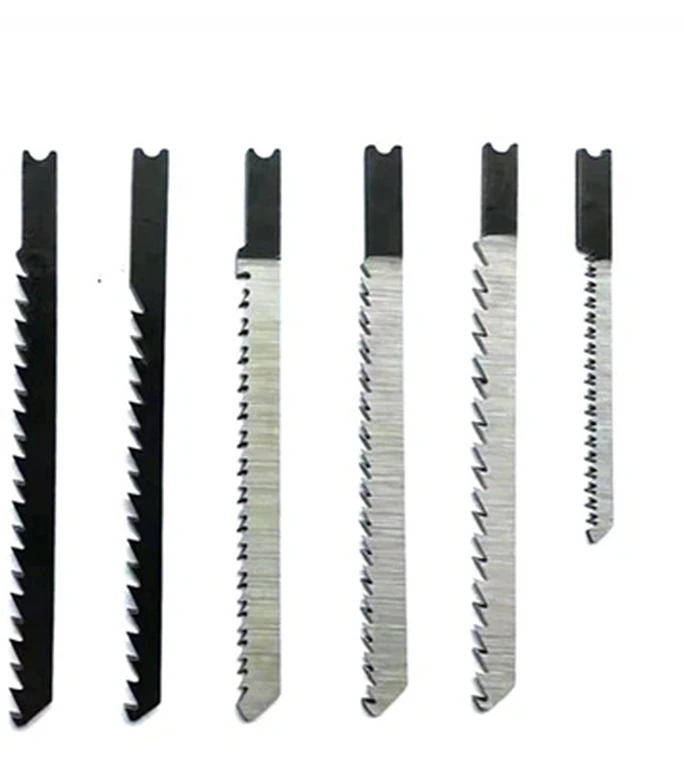
The public Jigsaw Blades category can help a buyer route a documented enquiry to the relevant product family. It does not replace the buyer’s controlled input, and it should not be read as proof that a listed image matches the drawing.
Use the category page to discuss product-family context only. Keep any request for a particular blade, holder relationship, material, or output dependent on the supplier’s review of the stated evidence.
Part 7. Hold an unresolved drawing open for clarification
Before sending the RFQ, flag every mark that has more than one plausible reading. Ask for a response against each flag, preferably using the same revision code and annotation number. This creates an audit trail without pretending that uncertainty has been removed.
If the buyer needs to submit the package, use Contact Us and include the controlled drawing, the evidence table, and the open-question list. Keep the requested outcome limited to clarification and quotation scope until the necessary configuration evidence is supplied.
FAQs
Can a photo replace a controlled blade drawing?
A photo can support identification, but it may omit scale, revision, datum, or hidden features. Label it as a photo reference and list what still needs confirmation.
Which revision belongs in a jigsaw blade RFQ?
Use the latest revision the buyer controls, along with its issue date and source. If the revision is unknown, state that it is unknown rather than choosing one from context.
Does a shank outline prove that a blade will fit?
No. The outline records a visible feature only. The holder, insertion condition, and requested configuration still need separate evidence and confirmation.
Which blade dimensions need a datum?
Any dimension used for quotation or comparison needs its unit and start/end points. A value without a stated datum should remain an open clarification item.
Should a buyer mark material on the drawing?
Mark a material requirement only when it comes from a controlled buyer document or a supplier-confirmed response. Do not assign a grade from colour, surface appearance, or a generic listing.
When should a drawing issue remain open?
Keep it open when the mark has multiple readings, the source is incomplete, or the holder-side evidence is absent. A documented question is safer than an unsupported configuration claim.