


How to Check Thicknesser Blade Compatibility Before Ordering?
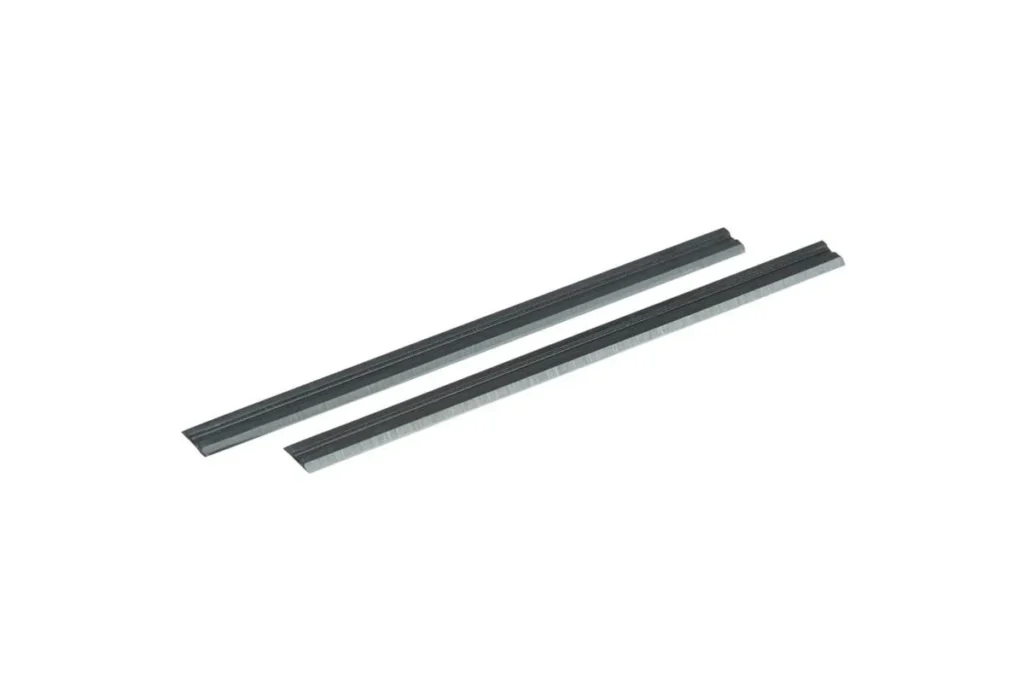
Thicknesser blade compatibility depends on the cutterhead rather than a shorthand machine name. Begin with the installed knife and seat, then compare the documented geometry with the listed Planer Blades family.
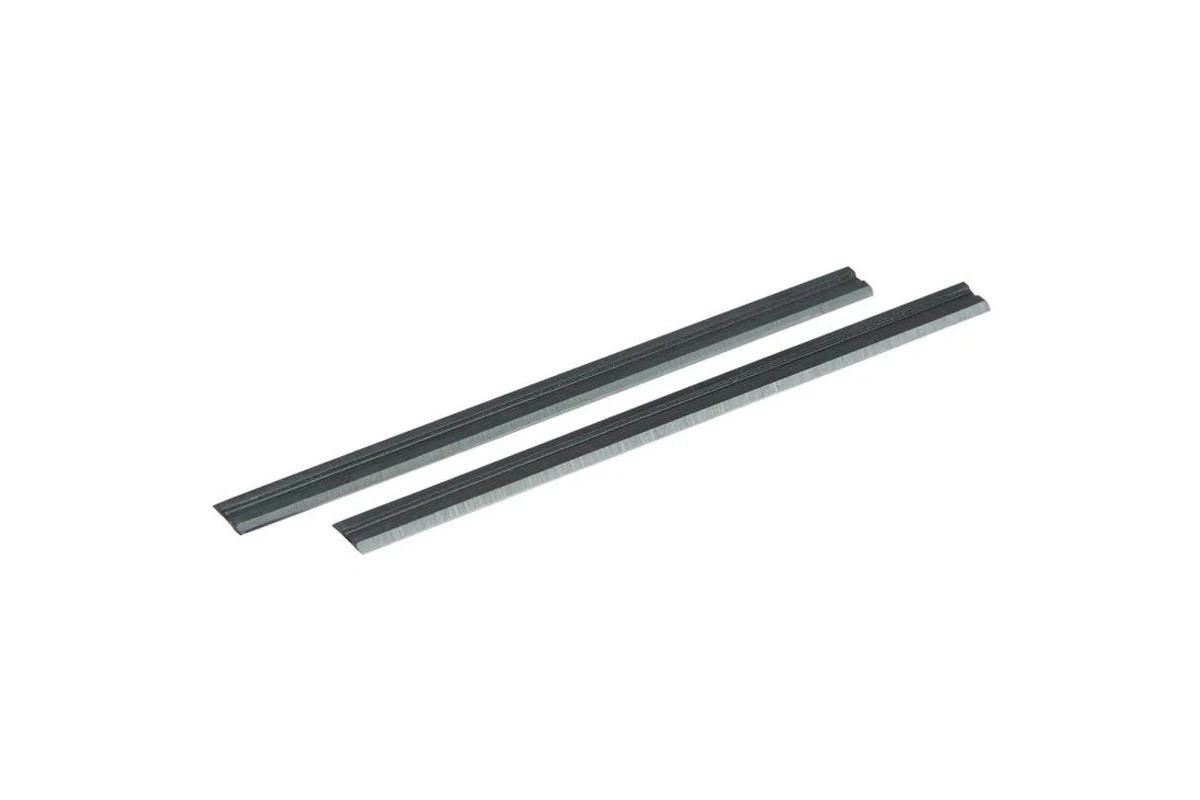
For related checks, see measuring a replacement planer blade and planer blade inputs for wood.
Important: Before measuring a thicknesser knife, isolate the equipment and use the applicable guarding procedure; do not inspect the blade while the machine can start. (OSHA machine guarding overview)
Identify the cutterhead before choosing a replacement
Read the cutterhead marking, maintenance record, or drawing first. The same workshop can have machines with different knife seats, so the replacement decision needs a traceable configuration.
Capture the geometry that controls seating
Measure overall length, width, and thickness from a sound reference knife, then record holes, slots, or locating features. A matching-looking blade can still seat incorrectly if one of those fields changes.
| Field | Record | Purchasing impact |
|---|---|---|
| Length, width, thickness | Measured reference knife | Determines whether the knife can seat correctly |
| Holes or slots | Count, diameter, and spacing | Determines retention and alignment |
| Edge form | Straight or reversible reference | Keeps the quote tied to the installed geometry |
Separate edge construction from the fit decision
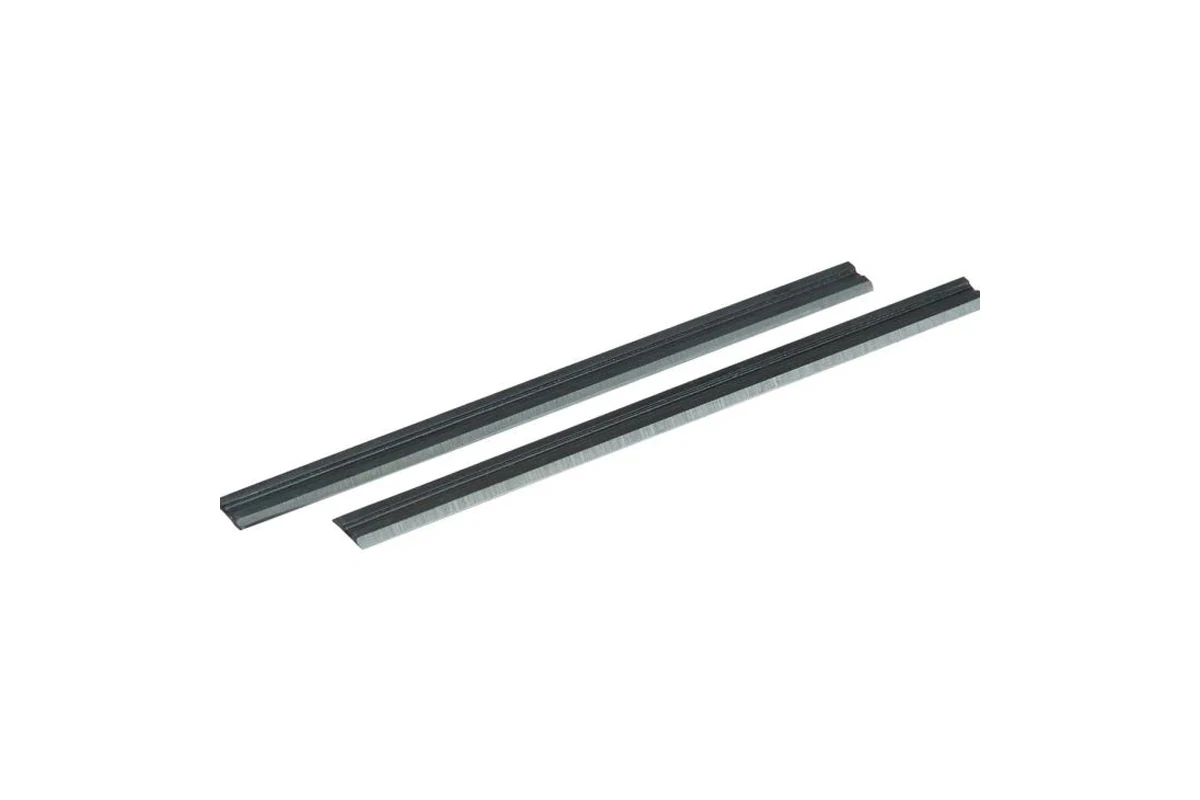
An HCS or other material label identifies a listed blade construction. It does not answer whether the knife will mount in a particular cutterhead, so keep geometry and material as separate checks.
Connect workpiece conditions to the replacement request
Document the stock to be processed and whether the order is for a routine change or a new application. This gives the supplier application context without converting it into an unsupported cut-quality or life claim.
Send a compatibility record that can be reviewed
A workable request combines cutterhead identity, dimensions, mounting pattern, edge style, material label, quantity, and photos. Missing fields should trigger clarification before a quotation is treated as a fit recommendation.
| Buyer should provide | Why it is needed | Common omission |
|---|---|---|
| Cutterhead photo or drawing | Establishes the mounting reference | Sending only a model nickname |
| Measured geometry | Lets the supplier compare the configuration | Leaving out thickness or hole spacing |
| Trial and carton quantity | Separates first inspection from wider release | Treating a sample request as full approval |
Use the listed product family only after the checks align
After the record is complete, buyers can review the listed HCS sharpening planer blade family. The product listing supports product-family research; it does not establish universal compatibility.
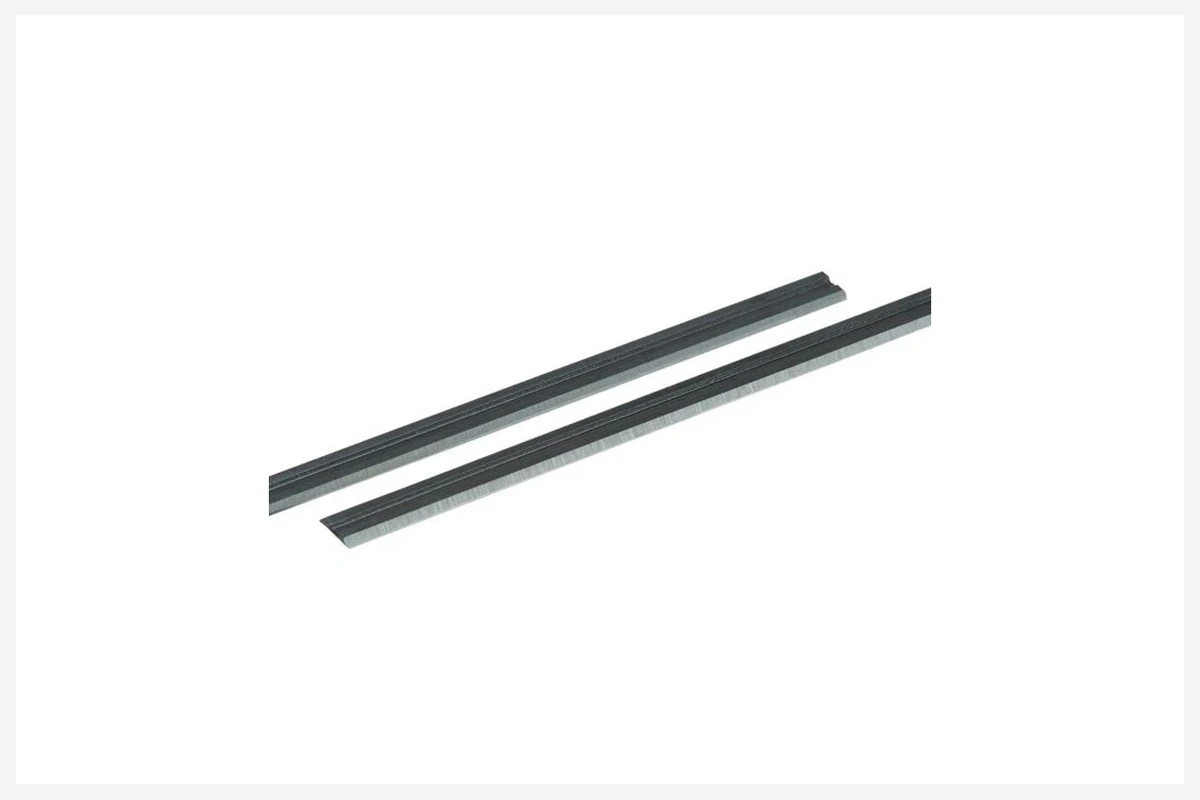
Product recommendation: the listed planer blade family is a useful product-page review after the buyer has recorded the cutterhead and line-item fields.
Inspect the first received set against the approval
Compare the received knives with the agreed drawing or measured sample before they enter wider inventory. Record a mismatch rather than attempting installation by force.
When the knife reference is complete, send the cutterhead record so the dimensions, mounting details, workpiece, and quantity can be reviewed together.
FAQs
What is the first check for thicknesser blade compatibility?
Start with the cutterhead and its installed knife geometry, not the name used for the machine in a previous purchase order.
Which measurements should be recorded?
Record length, width, thickness, and every mounting hole, slot, or locating feature that affects how the knife sits.
Does an HCS label confirm a replacement will fit?
No. It identifies a material label on the listed item; the cutterhead dimensions and mounting pattern still control fit.
Can a clear photo replace every measurement?
A photo helps identify the cutterhead and pattern, but it should accompany measured dimensions or a controlled drawing.
When should a buyer ask for clarification?
Ask before quotation when the knife is damaged, the hole pattern is unclear, or the machine has been modified.
How should a first received set be checked?
Compare it with the approved sample or drawing before releasing the rest of the order to maintenance or distribution.