


When to Choose HCS or Bi-Metal Reciprocating Blades

HCS vs Bi-Metal Reciprocating Saw Blades: Buyer Guide requires a documented compatibility and application check before a buyer selects a blade. Start with the reciprocating saw blade product category, then verify the holder, material, length, and tooth specification.
Contents
- Part 1. What changes between HCS and bi-metal blades?
- Part 2. Which materials fit HCS reciprocating blades?
- Part 3. When does bi-metal become the better option?
- Part 4. How do TPI and blade length work with body material?
- Part 5. What does a distributor need to label clearly?
- Part 6. Which product family belongs in an HCS vs bi-metal RFQ?
- Part 7. What errors cause early wear or breakage?
Part 1. What changes between HCS and bi-metal blades?
Start by checking the actual job rather than relying on the blade name alone. Add cut direction, finish requirement, and target pack size to the request. This prevents an unsupported universal-fit assumption.
Match blade length and tooth geometry to the cut, then keep the workpiece supported. That sequence separates a selection issue from a machine or setup issue.
Part 2. Which materials fit HCS reciprocating blades?
A practical selection record identifies the tool holder, work material, and thickness. Include the planned cut geometry and stock quantity in the order. Those records make later SKU comparison easier.
Use the tool manual to set up the holder and avoid forcing the accessory through stock. This record helps the team isolate a selection issue from an equipment problem.
| Decision field | Buyer must verify | Risk if skipped |
|---|---|---|
| Tool and holder | Exact tool model and holder profile | Poor fit or unsafe retention |
| Work material | Material family and thickness | Wrong tooth/body selection |
| Cut requirement | Straight, curved, rough, or finish | Wrong length or TPI |
| Pack requirement | SKU label and quantity | Returns and mixed stock |
Part 3. When does bi-metal become the better option?
The next check is whether the cut needs speed, a clean edge, or controlled access. Document the visible edge requirement and the working environment. The supplier can then compare a realistic range of products.
A stable workpiece and controlled feed protect both the blade body and the cut edge. The information supports a corrective decision without relying on guesswork.
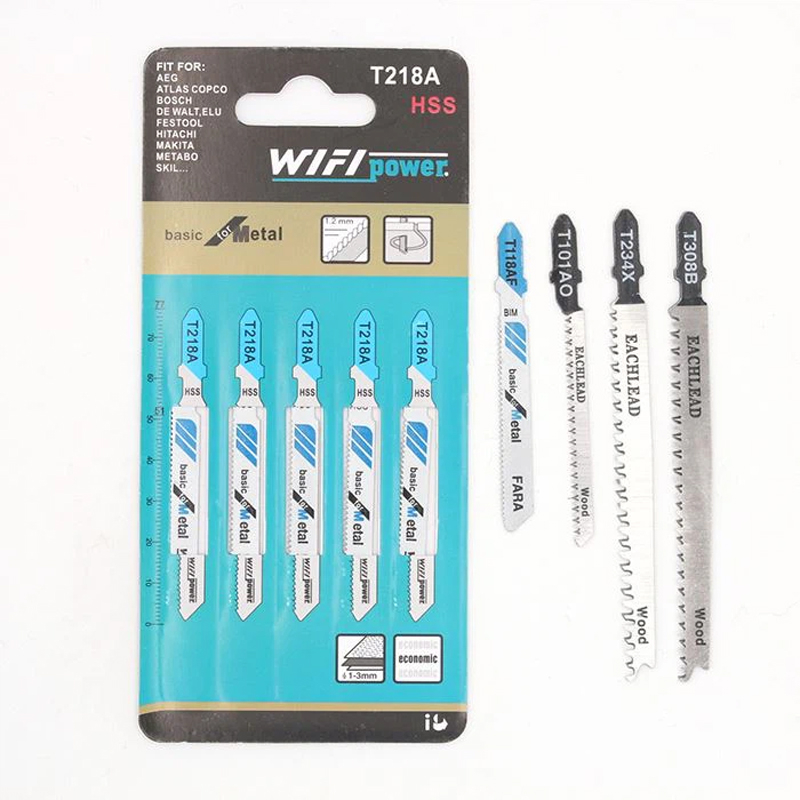
Use a small sample cut on the real material when the visible edge, speed, or blade life is critical. A sample test does not replace the tool manual, but it prevents an unsupported catalogue assumption.
Part 4. How do TPI and blade length work with body material?
Workshop results improve when the blade length and tooth form match the cut. Record the existing blade specification and tool condition. It helps separate a blade mismatch from equipment wear.
Check support and feed first; replace a worn accessory before it changes the result. As a result, the workshop can identify whether the cause is the blade or the setup.
| Decision field | Buyer must verify | Risk if skipped |
|---|---|---|
| Tool and holder | Exact tool model and holder profile | Poor fit or unsafe retention |
| Work material | Material family and thickness | Wrong tooth/body selection |
| Cut requirement | Straight, curved, rough, or finish | Wrong length or TPI |
| Pack requirement | SKU label and quantity | Returns and mixed stock |
Part 5. What does a distributor need to label clearly?
For distributors, clear SKU fields prevent a customer from ordering by a vague description. State the required product label, quantity, and replacement interval. Clear records reduce picking and return errors.
Good labeling must be paired with correct storage and a final compatibility confirmation. These checks give the buyer a defensible basis for the final SKU.
| Decision field | Buyer must verify | Risk if skipped |
|---|---|---|
| Tool and holder | Exact tool model and holder profile | Poor fit or unsafe retention |
| Work material | Material family and thickness | Wrong tooth/body selection |
| Cut requirement | Straight, curved, rough, or finish | Wrong length or TPI |
| Pack requirement | SKU label and quantity | Returns and mixed stock |
Part 6. Which product family belongs in an HCS vs bi-metal RFQ?
Before an RFQ is approved, compare the stated application with the intended blade family. List the material condition and any special access limits. These factors affect the recommended blade geometry.
Only approve the selected family after its dimensions and tooth form match the stated task. The supplier can use this context to recommend a suitable family rather than a generic substitute.
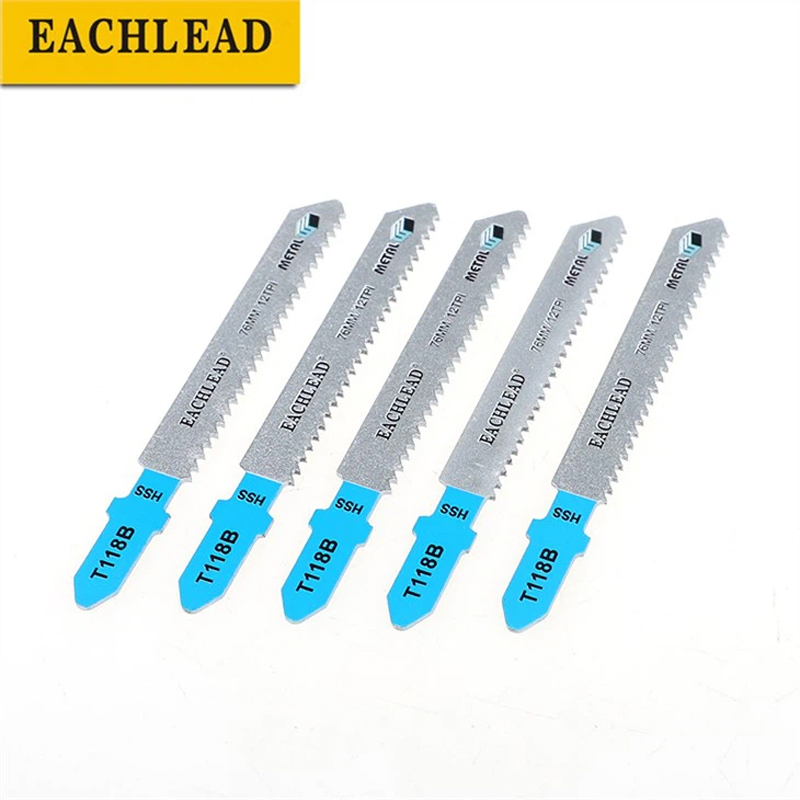
Product recommendation: use the Bi-Metal Reciprocating Saw Blades: Selection Guide as the verified next step after the RFQ fields are documented. It is not a substitute for confirming the holder, material, and actual cutting conditions.
Fit Boundary
This workflow fits buyers with a verified tool and application. It is not suitable where equipment is damaged, the holder is unknown, or the project demands an unverified performance promise.
Part 7. What errors cause early wear or breakage?
In the field, a poor result is evidence to inspect the setup before replacing the product. Capture the observed symptom and the original setup. A repeatable record supports an evidence-based correction.
Inspect the holder, support, feed, and accessory choice before treating the issue as a defect. A documented review makes subsequent troubleshooting faster and more reliable.
FAQs
What does HCS mean on a reciprocating saw blade?
Verify the tool holder and material before finalizing a blade. Use the product specification and a controlled sample cut to select the final SKU.
What is a bi-metal reciprocating saw blade?
Compatibility starts with the actual tool and then moves to the workpiece. Record those fields in the purchase request.
Is bi-metal always better than HCS?
The product label is only one input. Check material thickness, cut direction, and blade condition as well.
Can HCS blades cut wood with nails?
A distributor should confirm the intended application before assigning an alternative SKU or pack size.
How does TPI change an HCS or bi-metal selection?
If cut quality is critical, test on representative stock and inspect the edge before standardizing the product.
What should buyers test before a bulk order?
When a result differs from the plan, inspect the holder, support, feed, and accessory choice in that order.