


Is Bronze Magnetic? Alloy Composition, Steel Inserts and Identification Limits
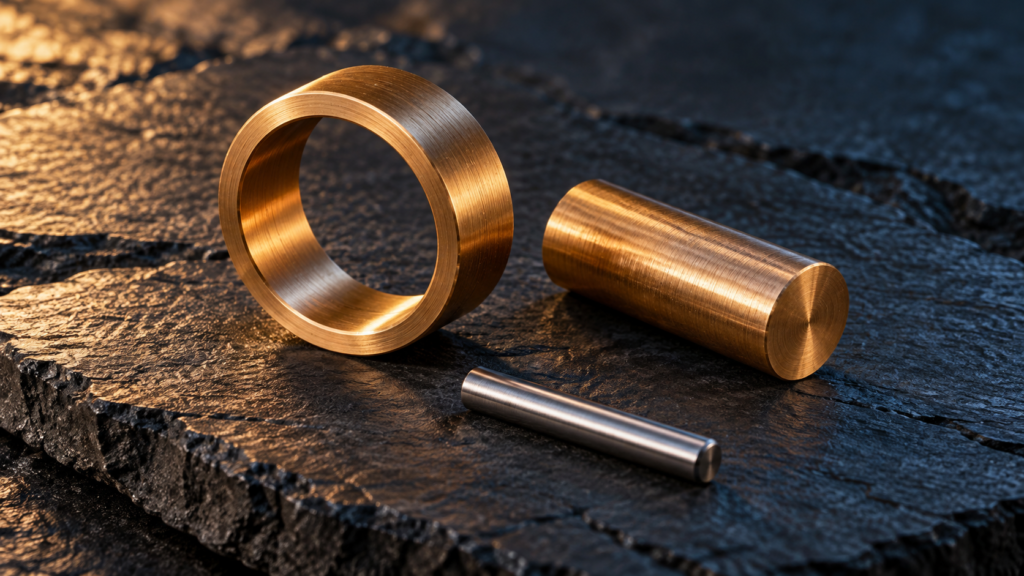
Common tin bronze is not strongly attracted to an ordinary magnet in the way steel is. But “is bronze magnetic?” needs a qualified answer: bronze covers several copper-alloy families. Exact grade properties, concealed steel cores and attached steel components can change what you observe on an object.
A magnet response alone cannot certify an alloy or establish that a bronze-colored part is solid bronze. Record what attracts the magnet, then check the material specification and the object’s construction. A surface observation and a material identity are different pieces of evidence.
Is bronze magnetic across every alloy family?
The coin example below documents the familiar distinction: the older bronze alloy does not attract a magnet like its steel-core replacement. This is a useful starting observation for common bronze, while exact-grade questions still need their own evidence.
The word bronze, however, is not a single chemical specification. Wieland Concast describes C51000 phosphor bronze as containing copper, tin and phosphorus. Aluminium-bronze grades in the supplier case below have a different alloy basis. A generic material name cannot replace the actual grade.
For buying or identifying stock, the useful question is therefore which bronze is specified. If the application has a magnetic-property requirement, that requirement needs grade-specific evidence. A general description of bronze is not enough to approve the material for that application.
The surface may hide a different core
The Royal Mint provides a clear manufacturing example. Its older bronze coins differ from newer copper-plated steel coins. The steel core explains why the latter attract a magnet, despite the copper-colored exterior.
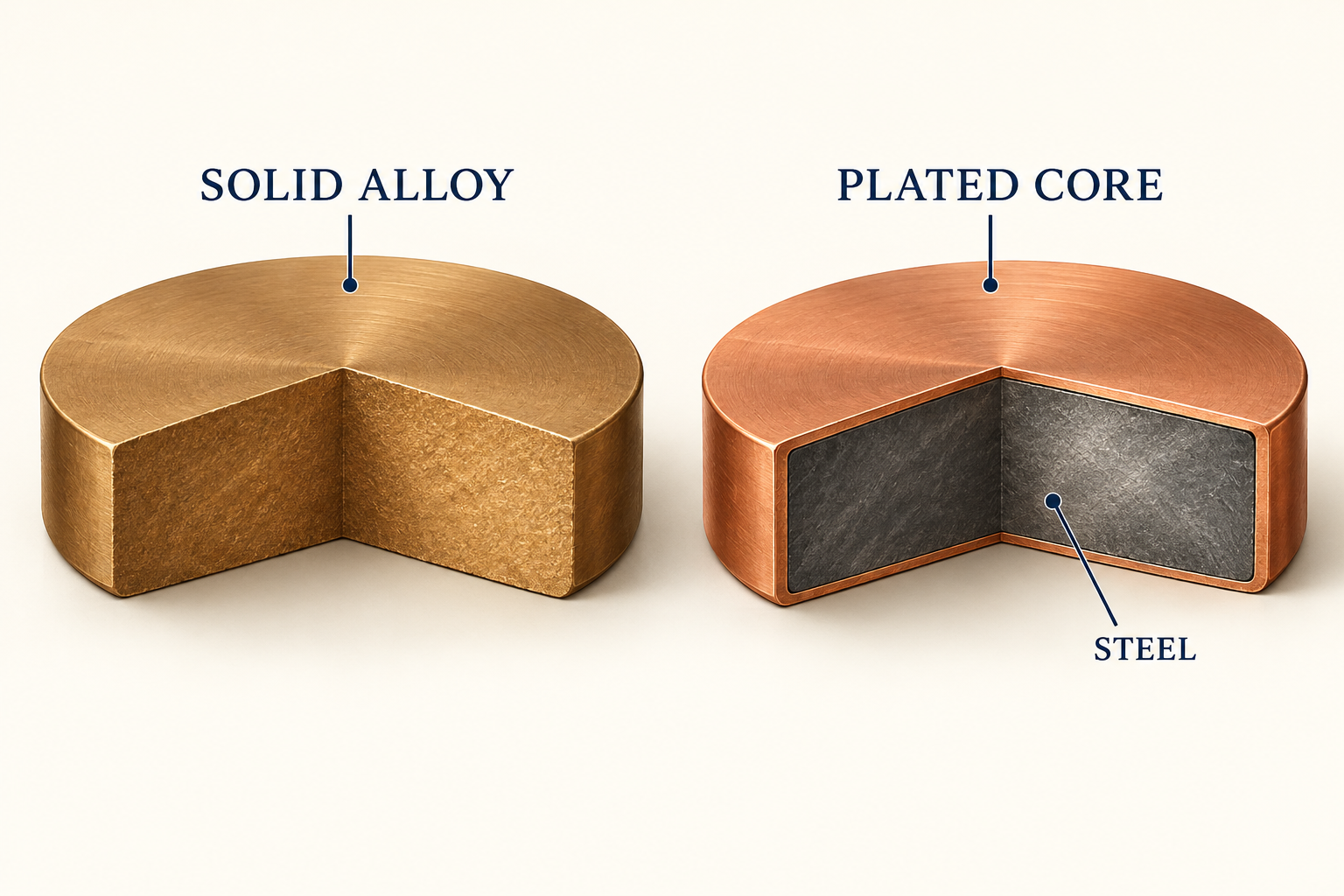
The same distinction helps frame an inspection question about an unknown part. Is the magnet responding to the main body, an exposed insert, an attached fastener or a concealed core? A whole-object observation does not tell you which component produced the response.
For example, a hypothetical bronze-colored assembly could include a separate steel screw. Attraction near that screw would not, by itself, establish the composition of the surrounding body. The observation should identify its location instead of becoming a verdict about the entire assembly.
Some bronze grades need a more specific answer
Langley Alloys documents a receiving-inspection case involving aluminium-silicon bronze and nickel-aluminium bronze. Its chemical identification and magnetic-permeability evidence distinguished the supplied material from the required grade.
That case is a reason to avoid an absolute rule that every material called bronze has identical magnetic behavior. It is not a universal hand-magnet threshold, nor does it identify an unknown alloy from a visible attraction alone. The supplier used material evidence tied to particular grades.
Likewise, the presence of an alloying element’s name does not supply the finished alloy’s complete magnetic specification. The relevant evidence belongs to the grade and condition being purchased. Where magnetic properties matter, request the applicable property data and the means of verifying the requirement.
Keep observations separate from acceptance decisions
A useful material record has three parts: what was observed, where it occurred and what specification is required. Add the part or stock identifier so the observation remains attached to the correct item.
Consider a hypothetical incoming batch described only as “bronze bushings.” A magnet sticks near one end of an assembled item. Rejecting the whole batch as fake bronze would jump beyond the evidence. The next review needs the actual alloy designation, construction details and traceable material documentation.
If the item contains a documented steel insert, that construction may explain the local response. If the specified application requires a particular magnetic property for the body itself, a suitable material-verification method must address that requirement. These are different questions and may need different evidence.
The opposite result is also limited. No obvious attraction does not prove bronze: an ordinary magnet is not a chemical analyser. It cannot distinguish all non-attracting materials or confirm that a supplier has delivered the required bronze grade.
For common tin bronze, the practical starting answer remains no strong attraction like steel. For a real object or purchase decision, finish with the specific alloy and construction. Use the magnet observation to identify what needs checking, rather than treating it as a complete material certificate.