


How to Specify a 24-Inch Reciprocating Blade for Reach
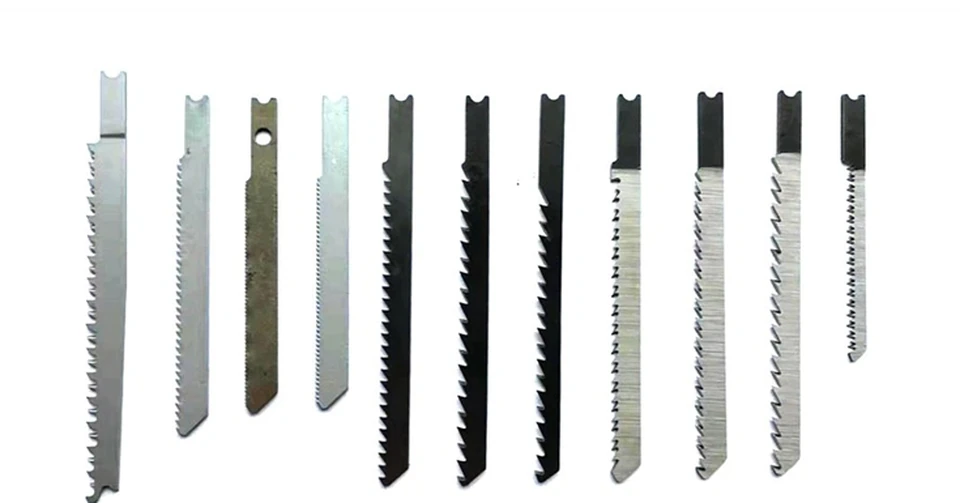
A 24-inch request should preserve its source, datum, access path, and workpiece context. The number explains the buyer’s request, but it cannot alone confirm actual reach, cut depth, fit, or a particular blade configuration.
- FAQs
Part 1. Define the 24-inch request
State whether 24 inches comes from a drawing, sample label, measured reference, or planning requirement. Record the source and date. If it is an estimate, identify it as an estimate rather than a confirmed product field.
Add the decision the RFQ should support: quote comparison, source review, or a clarification request. This keeps a number from being mistaken for a completed selection.
Part 2. Name the source and datum
Record the unit, start point, end point, and source of the value. If the datum is not visible, retain it as an open field. A supplier can then request a controlled measurement rather than interpret a number without a reference.
Keep blade-side information separate from tool and holder evidence. A dimension line is not an interface or fit conclusion.
Part 3. Record access and workpiece context
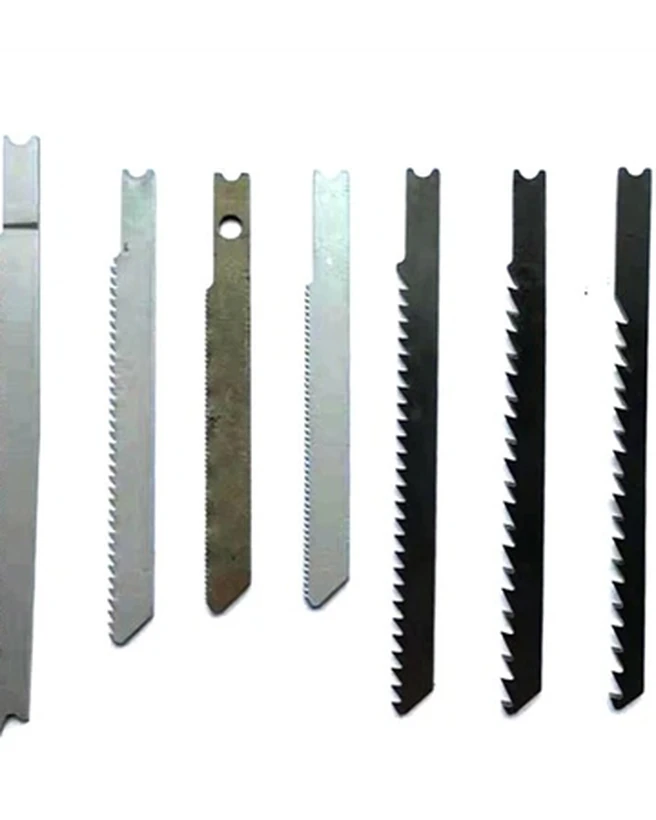
Describe access direction, obstruction, workpiece context, and requested scope. These fields explain why the buyer wants reach. They do not establish how a blade will perform in the task.
Important: Do not inspect or alter a blade on operating equipment. Follow the applicable procedure; HSE work-equipment guidance is general process guidance, not a blade-use instruction.
Part 4. Separate stated reach from outcome claims
Keep requested reach, cut depth, support, control, and service-life questions in separate fields. The record may state that the buyer needs access past an obstruction, while leaving any outcome to a supplier review of the complete evidence.
When holder or task data is missing, say so directly. A length value cannot close that gap.
Part 5. Build a 24-inch reach RFQ table
Use a table that connects the supplied value to the evidence and the supplier response.
| RFQ field | Buyer input | Supplier clarification requested |
|---|---|---|
| Stated length | 24-inch wording, source file, and issue date | Identify the controlled source used in review. |
| Reference geometry | End points, orientation, and any sketch callout | List geometry evidence still needed. |
| Tool-side record | Tool identity, holder view, or “not supplied” | Note the tool-side information required. |
| Route to workpiece | Approach, obstruction, and access sketch | Clarify the missing route or task context. |
| Commercial request | Quote, sample, or document response requested | Return a response against this request only. |
The 16-inch reach RFQ record demonstrates a narrower length example. It does not select a 24-inch configuration.
Part 6. Route the evidence for supplier clarification
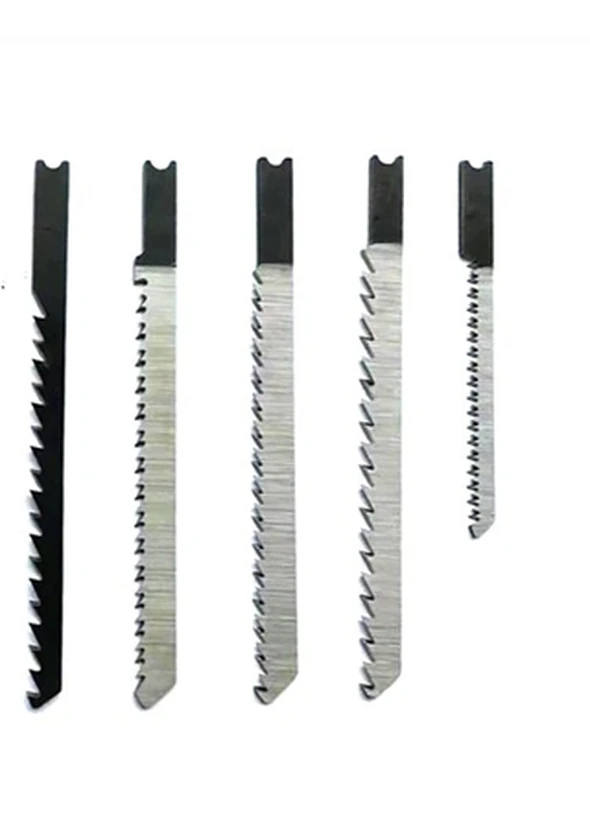
The Reciprocating Saw Blades category is a product-family route after the evidence table is complete. It does not turn a stated length into a product confirmation.
Send the source files and table through Contact Us. Retain unresolved datum, holder, and task fields until a supplier answers against the same references.
FAQs
What does 24-inch mean in an RFQ?
It is the buyer’s stated length reference. Record its source, unit, and datum before using it in supplier correspondence.
Which datum should be recorded?
State the start and end points used by the source measurement. If either is absent, mark the datum unresolved.
Does 24 inches prove cut depth?
No. Length is one input. Cut depth and access depend on other evidence and must not be inferred from the length field.
Should access direction be included?
Yes. Record the workpiece, obstruction, direction, and reason for the requested reach. Keep these as inputs, not results.
Can a general long-blade guide choose an item?
No. A broad guide can provide context, but a specific item requires the tool, holder, datum, and task evidence for this enquiry.
What should the supplier confirm?
Ask the supplier to name the source reviewed, mark unresolved geometry, and answer the quotation or document request tied to that source.