


What Planer Knife Orientation Evidence Should a Buyer Record Before Ordering?
Planer knife orientation should be recorded from the installed reference and cutterhead evidence before a replacement inquiry is sent. The Planer Blades category is useful only after those fields have been documented.
Use this record with planer blade mounting-hole checks and thicknesser blade compatibility checks.
Important: Isolate the equipment and follow its guarding procedure before documenting installed knife orientation. (OSHA machine guarding overview)
Define orientation as a configuration record
Record which edge, face, and mounting features are visible on the installed reference. Do not infer the requested orientation from a product photo or a general machine description.
Capture the cutterhead reference safely
With the equipment isolated under its applicable guarding procedure, retain a clear photo or drawing reference for the seat, clamp, holes, slots, and the installed knife position.
| Orientation record field | Buyer evidence | Why it matters |
|---|---|---|
| Installed reference | Photo or approved drawing | Preserves the observed side and edge relationship |
| Mounting detail | Seat, clamp, holes, or slots | Connects orientation to retention features |
| Open question | Specific unknown field | Prevents an assumption from entering the order |
Keep orientation linked to the full knife geometry
Orientation is not a stand-alone field. Length, width, thickness, edge style, hole pattern, and any asymmetric feature should remain in the same buyer record.
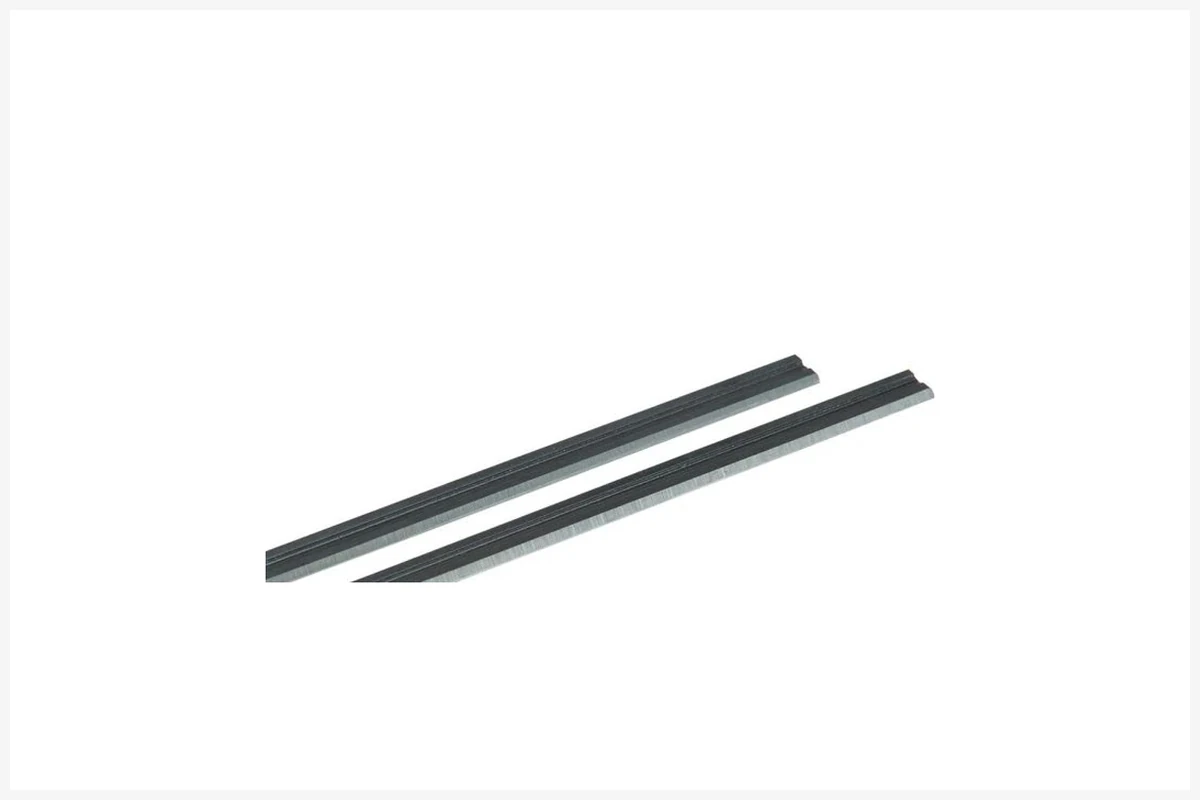
Separate a visible reference from an assumed fit
A photo can document the observed arrangement, but it does not establish that every similarly shaped knife fits the same cutterhead. Mark unknown fields for clarification.
Prepare RFQ inputs that preserve the orientation context
Give the supplier the installed-reference photo, measurement or drawing evidence, cutterhead detail, requested quantity, and a note explaining which side or edge needs confirmation.
| RFQ input | What to provide | Avoid |
|---|---|---|
| Orientation evidence | Installed reference and cutterhead detail | Assuming from a generic product image |
| Geometry record | Measurements or approved drawing | Omitting asymmetric features |
| Request scope | Quantity and point needing confirmation | Treating visual similarity as fit |
Review a listed family only after comparison
The listed HCS sharpening planer blade family can support a product discussion after the buyer record is complete. It is not evidence of a universal orientation or fit.
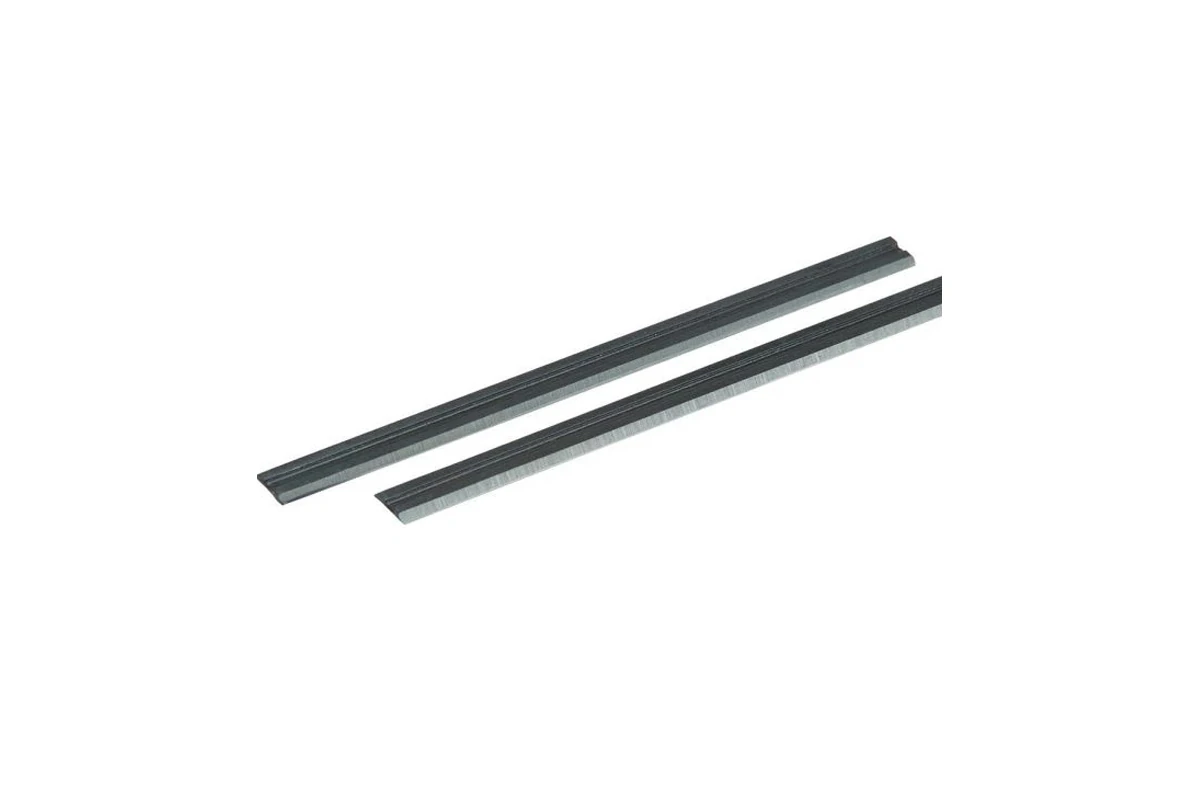
Product recommendation: review the listed planer blade family only after the buyer record is complete.
Escalate unclear orientation evidence
If the seat, clamp, or knife arrangement cannot be identified safely, pause the replacement decision and seek qualified equipment review before ordering.
For an orientation question, send EACHLEAD the installed-reference record with cutterhead evidence, measured fields, and quantity.
FAQs
Why record planer knife orientation before ordering?
It preserves the installed reference and prevents a replacement request from relying on a generic product name.
Can a product photo establish the required orientation?
No. Use the buyer’s cutterhead evidence, installed knife reference, and approved drawing where available.
Which features should appear in the orientation record?
Include visible faces and edges, holes or slots, clamp or seat evidence, dimensions, and any asymmetric feature.
Does similar knife shape prove compatibility?
No. Shape alone does not confirm the complete mounting and cutterhead configuration.
What should be included with an orientation RFQ?
Include the reference photo, cutterhead details, measured fields or drawing, requested quantity, and the exact point needing confirmation.
When should a buyer stop and seek equipment review?
Stop when the installed arrangement cannot be safely accessed or an essential mounting field remains unknown.
References
- Planer blade measurement guide: context for recording orientation with full knife geometry.
- HSS planer blade fitment tables: background for confirming mounting-related fields.
- OSHA machine guarding overview: guarded-access context for inspecting an installed reference.