


Which Way Should Hacksaw Teeth Face Before You Start Cutting?
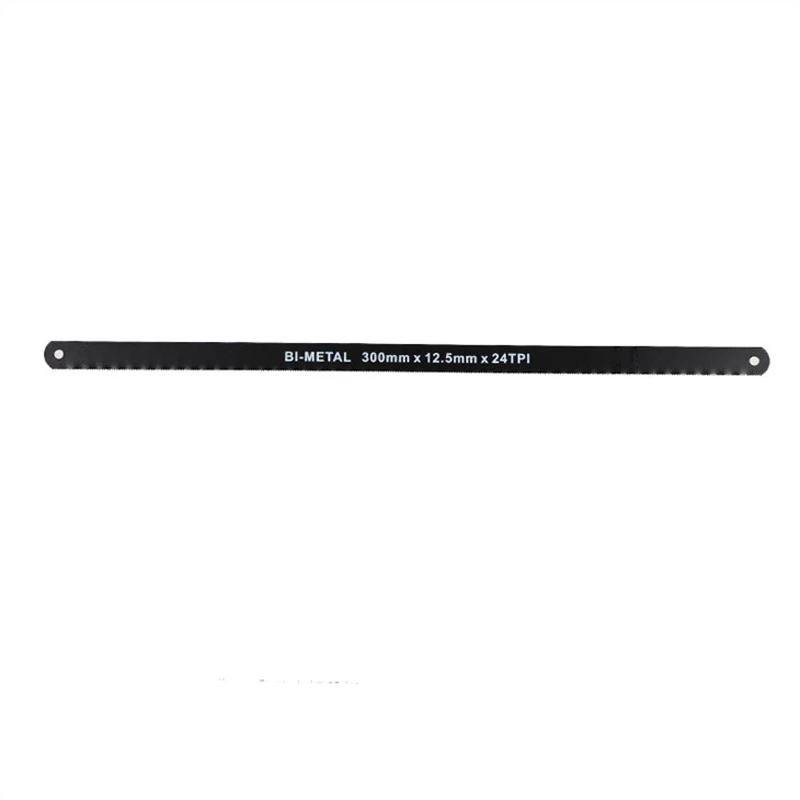
Hacksaw blade tooth direction tells you where the teeth are meant to bite: on a conventional setup, they normally face forward for a push-stroke cut. Check the frame instructions and the tooth points before starting. The hacksaw blade category is a comparison route after the frame and workpiece are defined.
Part 1. What does tooth direction mean?
Tooth direction is the way the points lean along the blade. On a conventional hacksaw arrangement, those points normally face away from the handle so they engage on the forward, or push, stroke.
The rule describes orientation, not quality. A correctly facing blade can still cut poorly when the work is unsupported, the frame is loose, or the blade choice does not match the material.
| Visual cue | What to look for | Next action |
|---|---|---|
| Tooth points | points lean forward | confirm against frame instructions |
| Frame pins | blade seated at both ends | tension before work |
| Cut line | work held securely | start with light control |
Part 2. Which stroke does a conventional hacksaw cut on?
Conventional hacksaw teeth cut on the push stroke. That is why forward-facing tooth points matter: pressure applied in the intended direction lets the teeth engage rather than scrape backward.
Keep the workpiece secure and follow the tool instructions. OSHA’s hand and power tool safety guidance and HSE’s hand tool guidance support the basic need for controlled, maintained hand-tool use.
Part 3. How can the direction be checked before cutting?
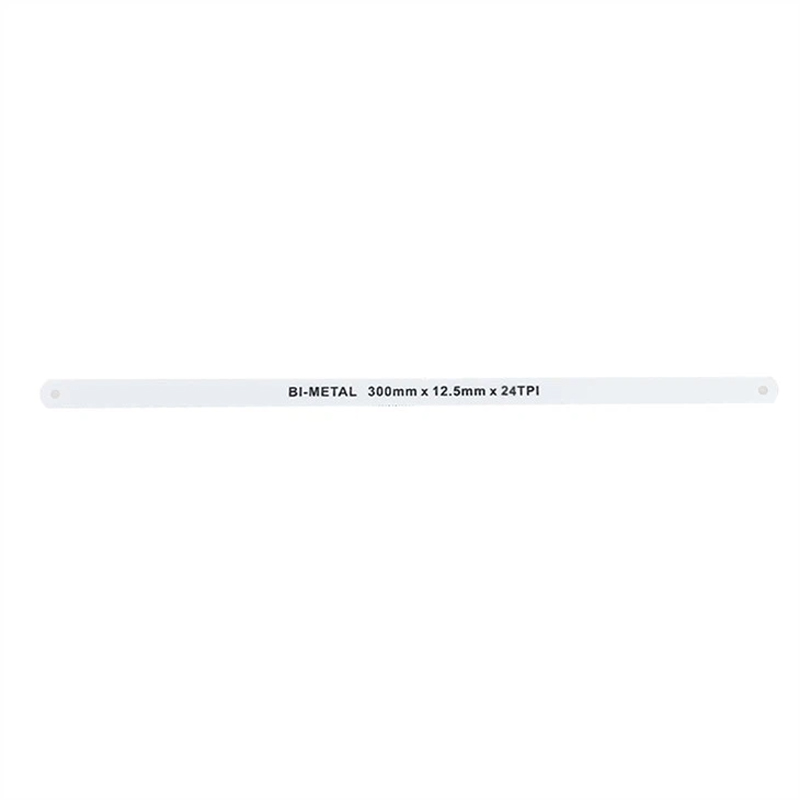
Look down the blade from the handle end and identify the pointed leading edge. Then check that both ends are seated on the frame pins and that the frame’s instructions do not require a different arrangement.
| Check | Pass condition | Do not assume |
|---|---|---|
| Tooth points | face toward the push direction | all frames mount alike |
| Blade seating | both ends fully located | tension fixes a bad seat |
| Workholding | work cannot shift | a blade choice replaces clamping |
Part 4. What does backward mounting change?
A backward-mounted conventional blade may feel as if it skates or rubs when the user pushes. The tool can still move, but the intended cutting action is shifted away from the normal working stroke.
Do not diagnose every slow cut as direction alone. Check blade condition, tension, workholding, and the actual material after confirming orientation.
Part 5. Does the workpiece change tooth direction?
The workpiece may change the appropriate blade specification, but it does not usually reverse the conventional tooth-direction rule. Material-specific selection is a different question from which way the teeth face.
That distinction prevents an overbroad explanation. A direction check is a pre-cut setup step, while a material decision requires the workpiece and the blade’s listed fields.
Part 6. How should a buyer specify the requirement?
Write the frame type, blade dimensions, required orientation convention, workpiece, pack requirement, and sample acceptance criteria. This avoids replacing a clear setup requirement with a vague request for a “better hacksaw blade.”
| RFQ field | Buyer supplies | Confirmation requested |
|---|---|---|
| Frame | type and pin arrangement | fit of stated blade format |
| Blade | dimensions and tooth direction | listed specification |
| Workpiece | material and cut conditions | sample identification |
| Packaging | pack and label wording | available packaging detail |
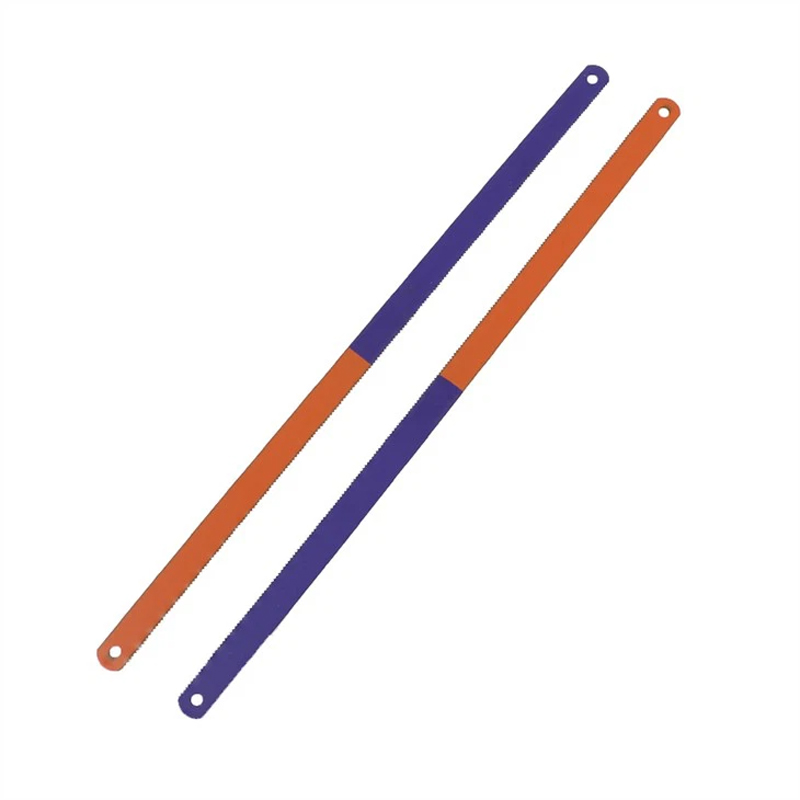
Product recommendation: use the hacksaw blade category as the first-party comparison path once the frame and application are recorded. It fits because it provides a route to compare public fields. It is not a default model recommendation because tooth direction does not establish a specific blade’s suitability or cutting result.
Fit Boundary
This explanation fits conventional hacksaw orientation checks. It does not replace the frame manufacturer’s instructions, secure workholding, or a material-specific sample test.
Part 7. When should the frame or blade be inspected?
Inspect before a new cut and whenever the blade slips, the frame loses tension, or the work starts moving. Stop rather than applying more force when the setup cannot be controlled.
For commercial review, send the frame and blade details for review with the dimensions, pin arrangement, intended workpiece, and acceptance criteria.
FAQs
Which way should hacksaw teeth face?
On a conventional setup, the tooth points normally face forward, away from the handle, for a push-stroke cut.
Does a hacksaw cut on push or pull?
A conventional hacksaw normally cuts on the push stroke.
Can a hacksaw blade be installed backward?
It can be mounted incorrectly, which changes the normal cutting action and may make the push stroke feel ineffective.
Why does a backward blade feel slow?
The teeth are not engaging in the normal working direction; also inspect tension, workholding, condition, and material match.
How should tooth direction be checked?
Identify the pointed tooth edge, confirm it faces the push direction, and verify seating and instructions before cutting.
Does tooth direction change for plastic?
The workpiece can change blade selection, but it does not usually reverse the conventional orientation rule.
When should a blade be replaced?
Inspect or replace it when teeth are damaged, tension cannot be maintained, or the blade no longer performs the intended controlled cut.