


What Is a Double-Sided Hacksaw Blade Used For?
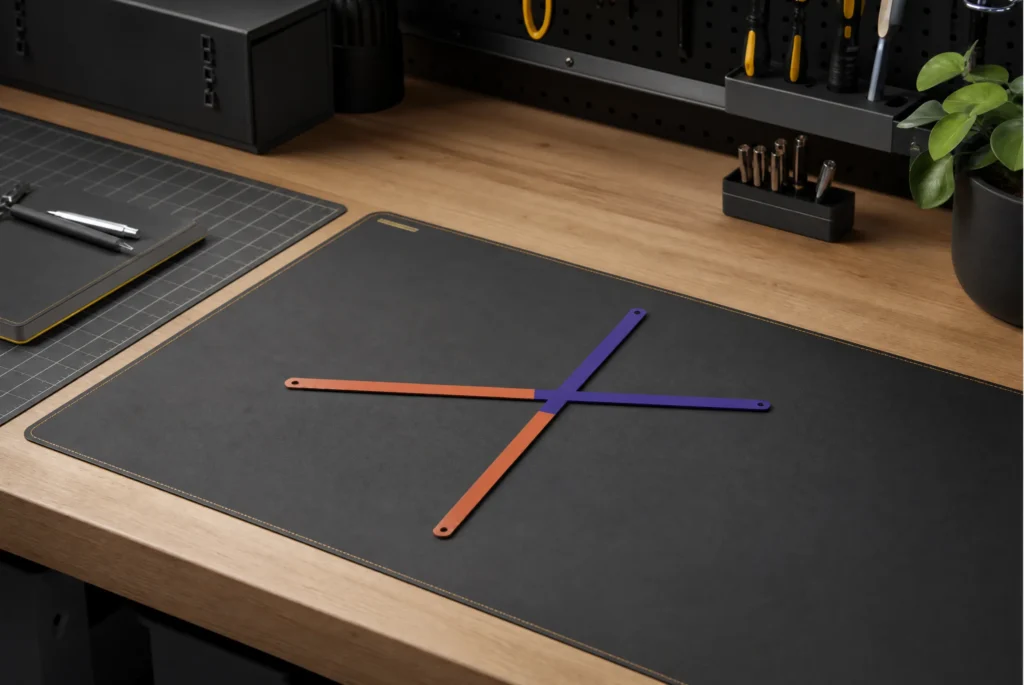
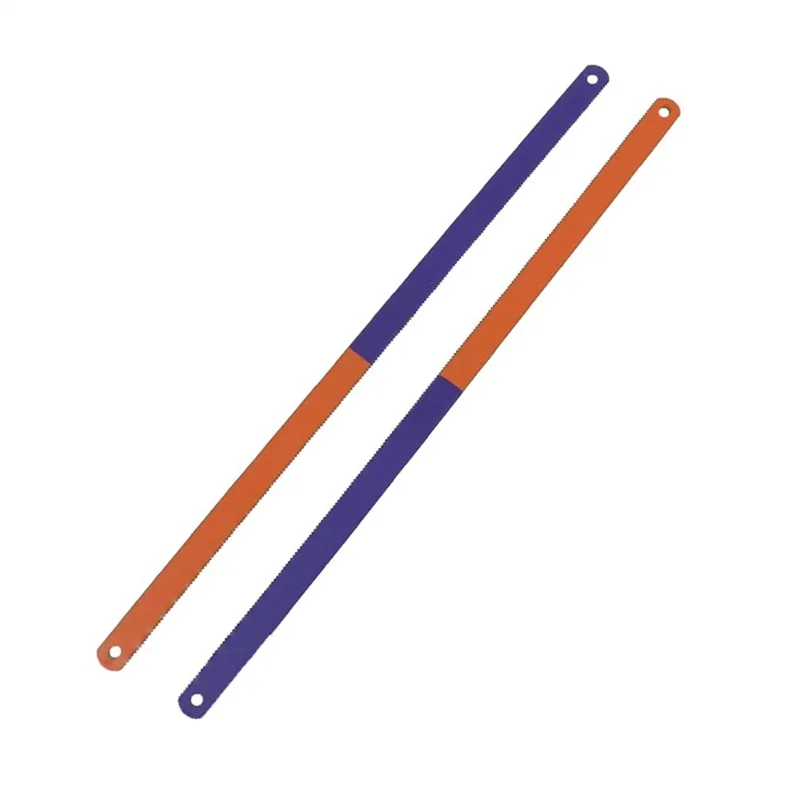
A double-sided hacksaw blade has toothed working edges on both sides, but its use must be verified from the product listing, frame arrangement, and actual workpiece. The second edge is not proof of universal fit, extra service life, or suitability for a material that the reviewed specification does not list.
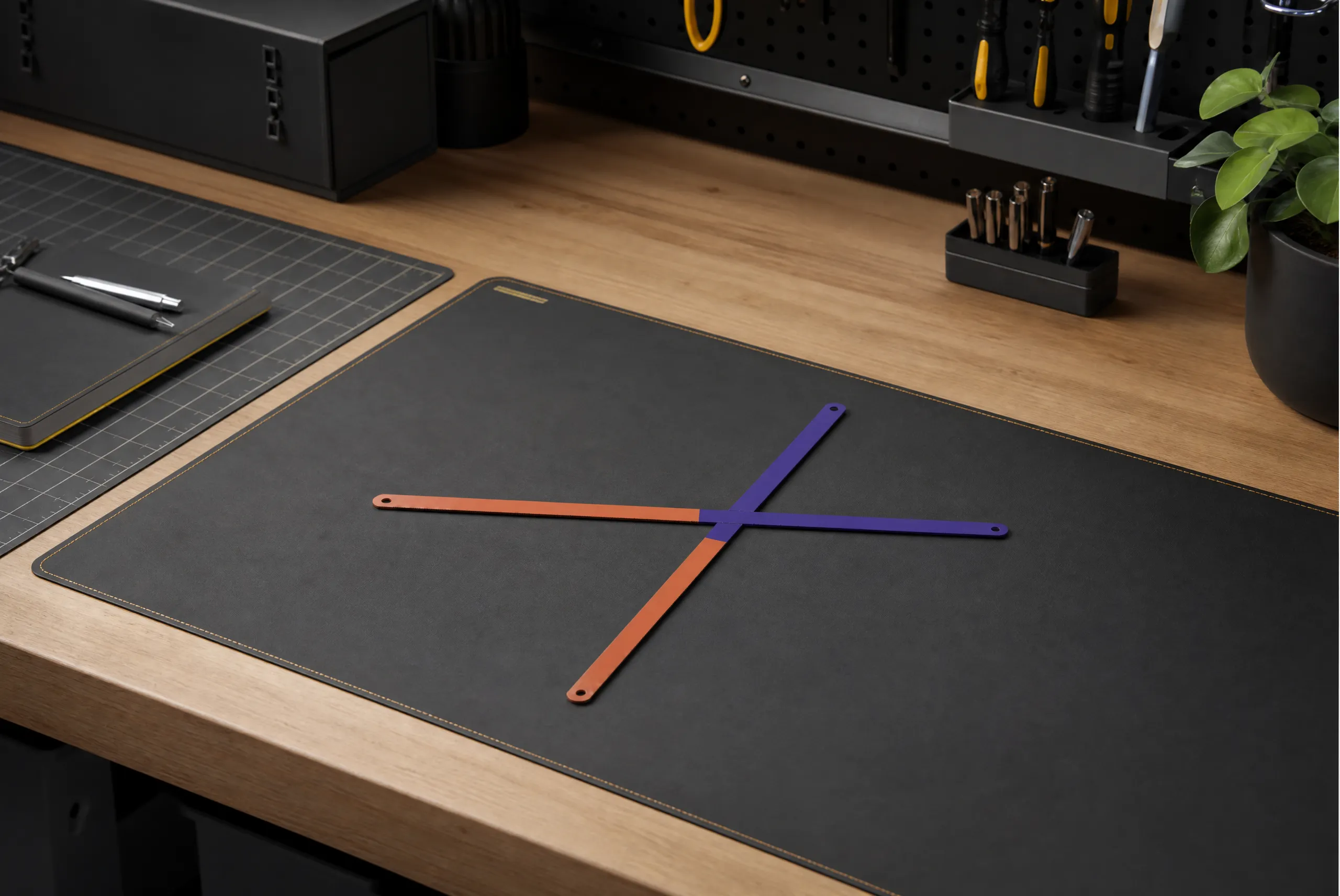
Part 1. How is a double-sided hacksaw blade identified?
Inspect both long edges and the product description rather than inferring the construction from a photograph. Record the blade length, tooth pattern, mounting form, and any listed workpiece limits before selection.
| Check | Why it matters | Record |
|—|—|—|
| Both toothed edges | Confirms construction | Photo and description |
| Mounting form | Avoids forced installation | Frame type and length |
| Workpiece | Sets selection boundary | Material and thickness |
Part 2. What is the practical reason for two toothed edges?
Two working edges can change how the blade is handled or positioned in an appropriate setup. The exact operational benefit depends on the listed product design and should not be converted into an unsupported durability claim.
Use the Hacksaw Blade pillar to review the listed product family before making a commercial selection. For adjacent context, see Hacksaw Blades for Metal: Types and Selection Guide and Hacksaw Blade Buying Guide.
Part 3. Which frame and mounting checks come first?
Check that the frame accepts the blade length and mounting arrangement, and that the pins or clamps secure the blade correctly. Do not force a blade into a holder or assume that an apparently similar frame has the same fit.
Part 4. How should the workpiece control the selection?
Material, thickness, section shape, access, and desired edge remain the starting inputs. Tooth pitch and blade construction should be matched to a verified application through the product specification or an RFQ.
| Use condition | Review question | Do not assume |
|—|—|—|
| Blade fitting | Are pins or clamps fully engaged? | Universal frame fit |
| Cutting | Does pitch suit the section? | All-material use |
| Storage | Are both edges protected? | Extra life claim |
Part 5. What handling precautions matter around two edges?
Treat both toothed edges as cutting surfaces during fitting, storage, and removal. Use appropriate handling procedures and keep the work secure so the blade is not used as a lever.
Part 6. What should a buyer ask in an RFQ?
Include a photo or drawing of the blade form, frame type, material, thickness, cut geometry, tooth-pitch requirement, and intended label wording. Ask the supplier to confirm only what the listed product documentation supports.
| RFQ input | Buyer supplies | Requested confirmation |
|—|—|—|
| Blade form | Image and dimensions | Listed construction |
| Frame | Mounting detail | Fit boundary |
| Application | Material and cut target | Supported candidate |
Product recommendation: review the Hacksaw Blade pillar after documenting the RFQ fields. It fits as the verified product-family route, but is not recommended as a default model because this article does not verify universal frame, material, or application fit.
Fit Boundary
This route fits buyers who can confirm the frame, workpiece, and acceptance criteria. It does not support a life, cut-rate, certification, universal-fit, MOQ, lead-time, or unverified-model claim.
Part 7. When should the claim stay limited?
Keep wording limited when the public page does not state a specific use, frame fit, or material application. A controlled sample can assess the stated conditions, but it does not establish certification, universal compatibility, or a life guarantee.
For a configuration review, contact EACHLEAD with the frame, material, dimensions, cut conditions, and any observed symptom.
FAQs
Does double-sided mean both edges can cut?
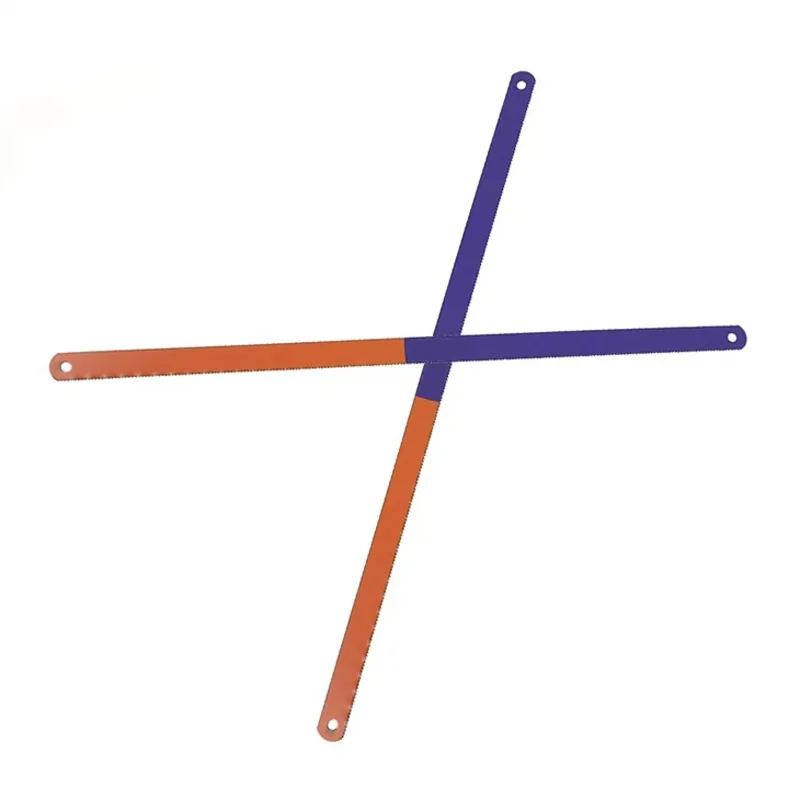
It describes two toothed edges, but the intended use must still be checked against the product listing and setup.
Can a double-sided hacksaw blade fit every frame?
No. Confirm length and mounting with the frame and verified product information.
Does a second edge double blade life?
No such life claim is made here; service depends on the actual use and specification.
Is a double-sided blade for every material?
No. Select by the listed material application, tooth pitch, and workpiece details.
How should I store a double-sided blade?
Protect both toothed edges and handle the blade as a sharp cutting component.
Which EACHLEAD double-sided blade should I order?
Use the hacksaw-blade pillar and contact route with the frame and workpiece details; no default model is verified here.
Can I use this article as a compliance statement?
No. It is a selection explainer and does not establish certification or regulatory suitability.