


Which Reciprocating Blade Plan Keeps a Drywall Opening Controlled?
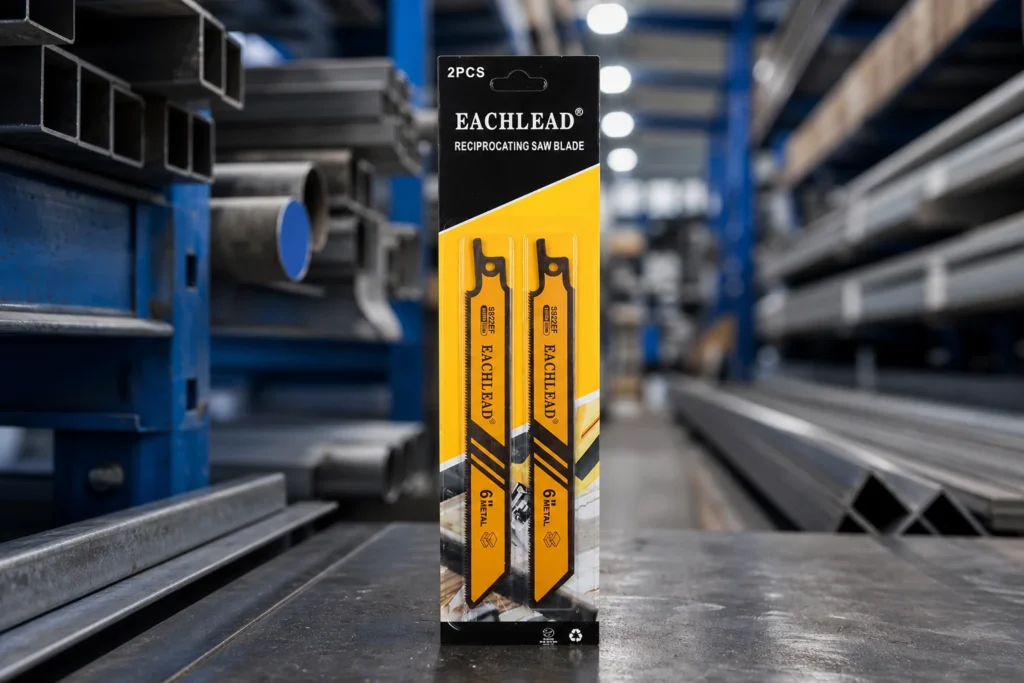
A controlled drywall remodel cut starts with the opening and the cavity, then limits blade reach before anyone selects a blade. That sequence distinguishes access work from general demolition. Use the reciprocating saw blade category to compare listed fields only after the wall details are known.
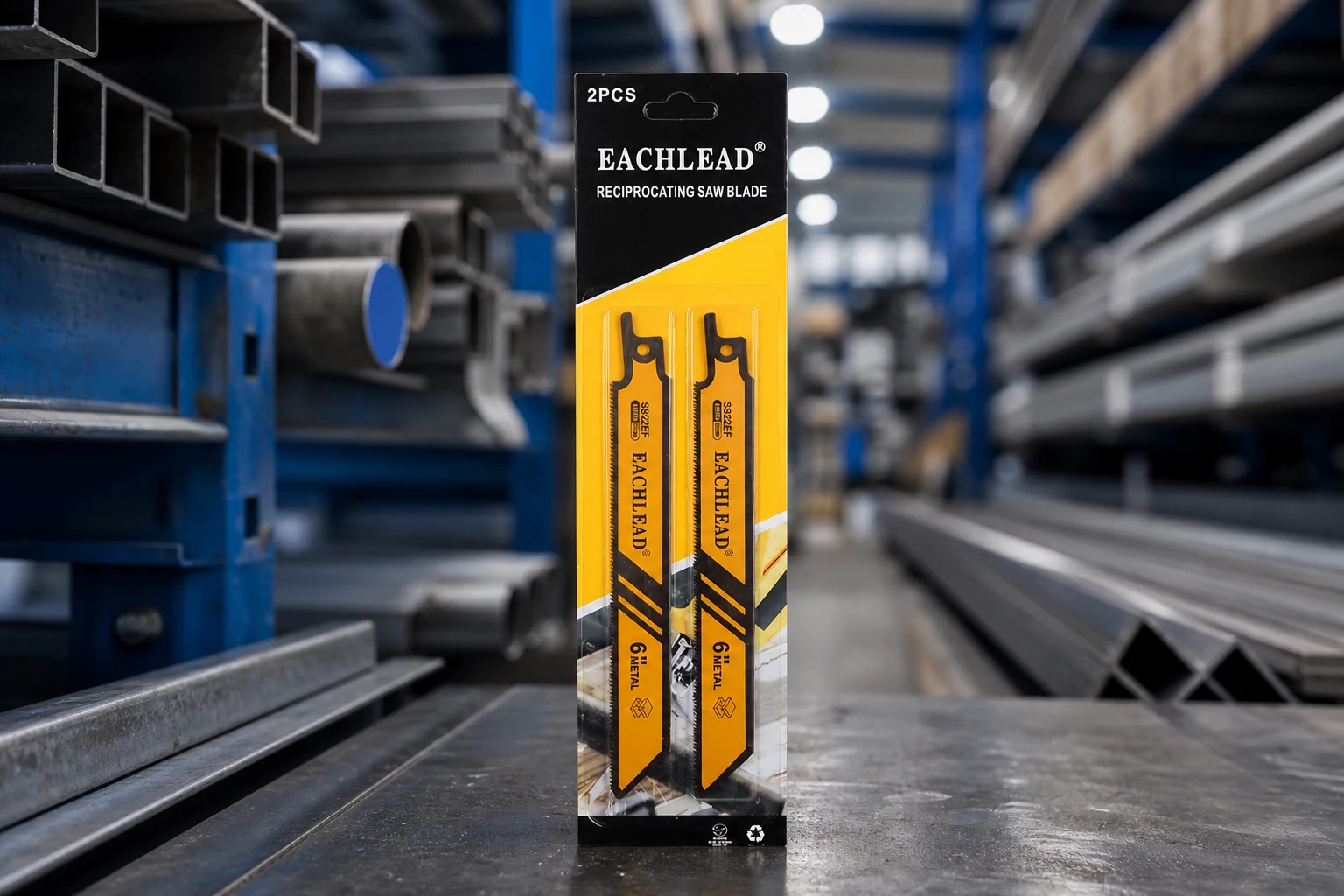
Part 1. What makes a drywall remodel cut different?
A remodel opening is usually an access decision, not a teardown decision. The board is thin, but the space behind it may contain framing, fasteners, services, insulation, or nothing at all.
That uncertainty makes depth control more important than aggressive removal. Mark the opening, expose or inspect where practical, and keep the first cut shallow enough to learn what the wall contains.
| Planning input | Why it changes the cut | Record before selection |
|---|---|---|
| Opening size | Sets the cut path | height and width |
| Cavity clearance | Limits reach | measured or verified clearance |
| Wall layers | Changes resistance | board and backing observations |
| Access | Affects tool angle | nearby obstructions |
Part 2. What should be checked before the blade starts?
Check for services and confirm the work area before cutting. OSHA’s hand and power tool safety guidance is a useful starting point for tool-use controls, but it does not replace the site’s own isolation and inspection process.
Dust is also an operating condition, not an afterthought. Follow the job’s suitable dust-control method and the tool manufacturer’s instructions; NIOSH’s construction guidance explains why construction exposures deserve planning.
Part 3. How do length and reach affect control?
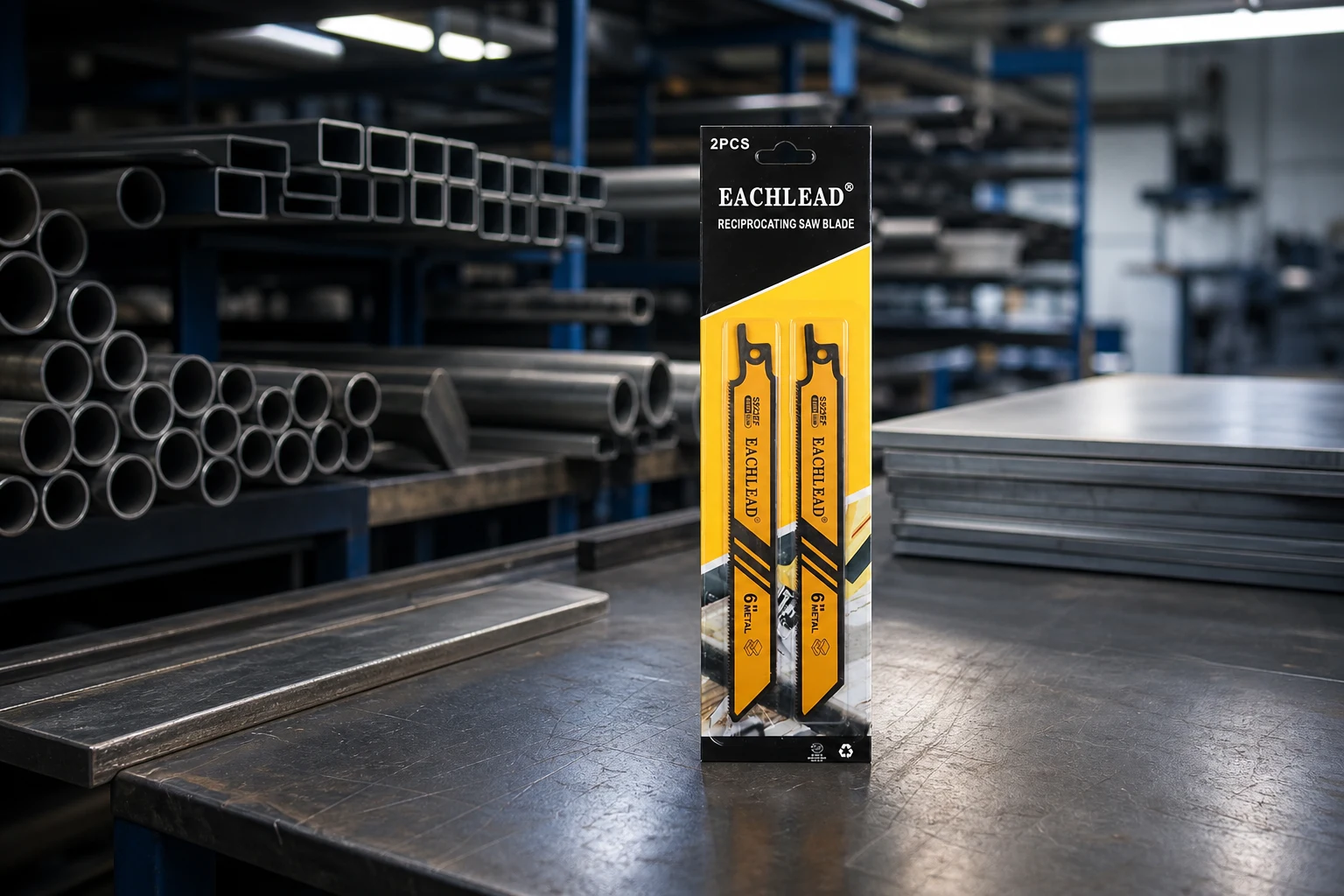
Reach should cover the cut without creating unnecessary travel behind the board. More exposed blade can make a tight opening harder to steer and increases the chance of reaching a layer the operator did not intend to touch.
| Cut condition | Planning emphasis | Boundary |
|---|---|---|
| Shallow access opening | minimal practical reach | verify cavity first |
| Edge near a corner | tool angle and shoe support | avoid forcing a turn |
| Unknown backing | staged exposure | stop and inspect |
Part 4. How should tooth pitch be treated?
Pitch is an engagement choice, not a drywall label. A coarse pattern may remove a soft surface quickly, while a finer pattern changes the feel when the cut meets a denser backing; neither observation proves a particular model is suitable for the whole assembly.
Use the blade family and printed specification as inputs for a sample test. The blade fit and compatibility overview is useful for checking the holder side of that plan.
Part 5. When does the cut change from drywall to framing?
Stop treating the task as a board cut when the blade reaches framing, metal trim, or an unexpected fastener. The workpiece, resistance, and risk have changed, so the selection decision should change too.
Do not assume one blade should finish both stages. A separate plan for the newly exposed material is more defensible than extending a drywall-opening assumption into structural work.
Part 6. What can a buyer request from a blade supplier?
An RFQ should describe the access cut rather than asking for a “drywall demolition blade.” State the wall layers, clearance, intended opening, tool holder, expected incidental contact, and the acceptance test.
| RFQ field | Buyer supplies | Supplier response to request |
|---|---|---|
| Workpiece | observed wall layers | candidate family and listed fields |
| Access | opening and clearance | length options to sample |
| Validation | sample method and criteria | sample identification |
| Packaging | pack and label needs | available packaging information |
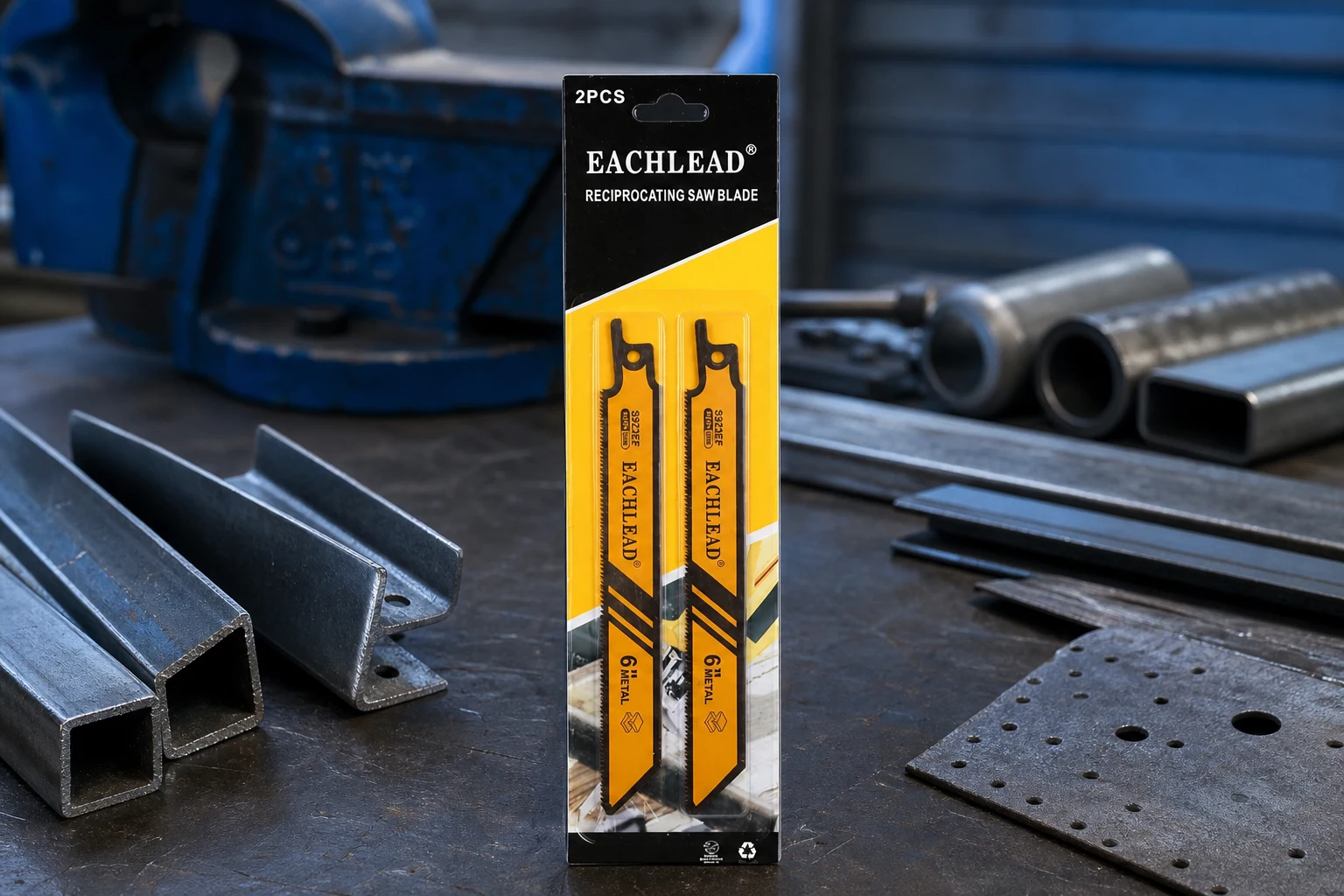
Product recommendation: use the reciprocating saw blade category as the first-party comparison path after the RFQ is written. It fits because it offers listed blade fields for comparison. It is not a default drywall-model recommendation, because no reviewed listing verifies a specific SKU for an unknown wall cavity.
Fit Boundary
This workflow fits controlled remodel openings with an inspected work area and a sample plan. It does not fit unknown cavities, live services, or a request for guaranteed suitability without testing.
Part 7. When is a reciprocating saw the wrong tool?
Choose another method when the opening demands a very clean finish, when clearance cannot be confirmed, or when the tool cannot be held and supported safely. A blade cannot correct an unsuitable access condition.
If vibration becomes the controlling problem, pause rather than pushing harder; the blade vibration troubleshooting guide provides a separate diagnostic path. For commercial review, send the wall-cut details for review with the planned sample criteria.
FAQs
Can a reciprocating saw cut drywall?
It can make an opening, but the plan must account for the cavity and limit the first cut’s reach.
What blade length works for a drywall opening?
Use the minimum practical reach after measuring clearance; no universal length is safe for every wall.
How do I avoid hidden services?
Inspect and isolate according to the site process before cutting, then expose the wall in controlled stages.
Does drywall need a demolition blade?
Not automatically. A drywall access cut has different boundaries from structural demolition.
Can one blade cut drywall and framing?
Do not assume so. Reassess the workpiece when framing or fasteners become part of the cut.
What belongs in a drywall-cut RFQ?
Wall layers, cavity clearance, opening dimensions, holder, expected contact, sample method, and acceptance criteria.
When should another tool be used instead?
Use another method when clearance, finish requirements, or safe support make a reciprocating saw unsuitable.