


Should You Choose a Flexible or Rigid Hacksaw Blade?
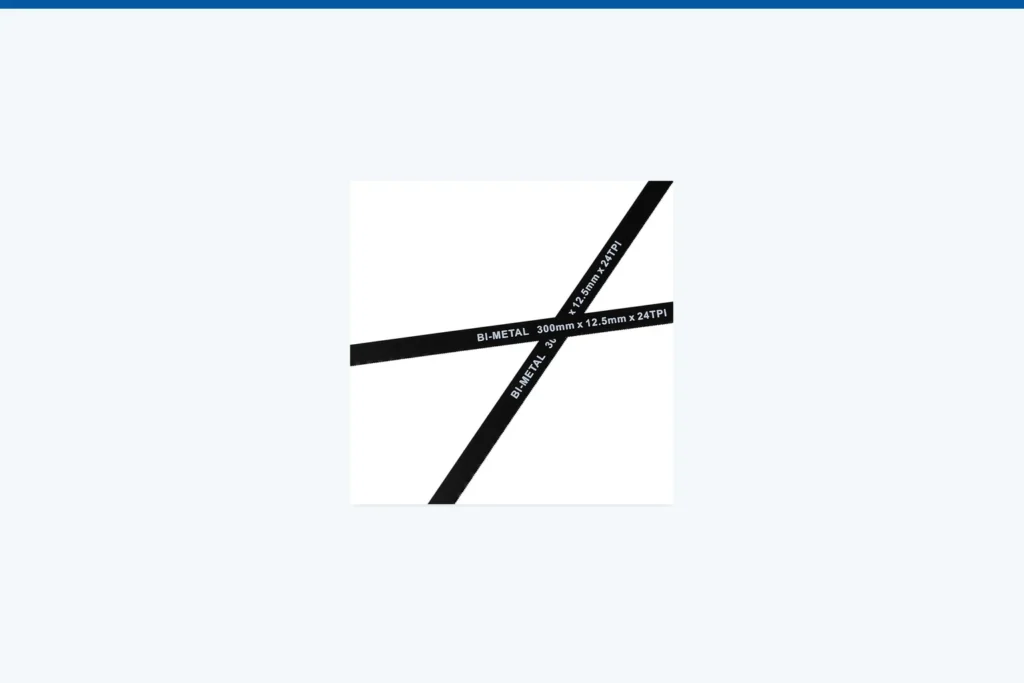
Flexible and rigid hacksaw blades answer different setup needs, not a simple better-or-worse ranking. Compare the required cut control, access, stock support, frame condition, and the verified product description; neither construction is a default fit for every material or frame.
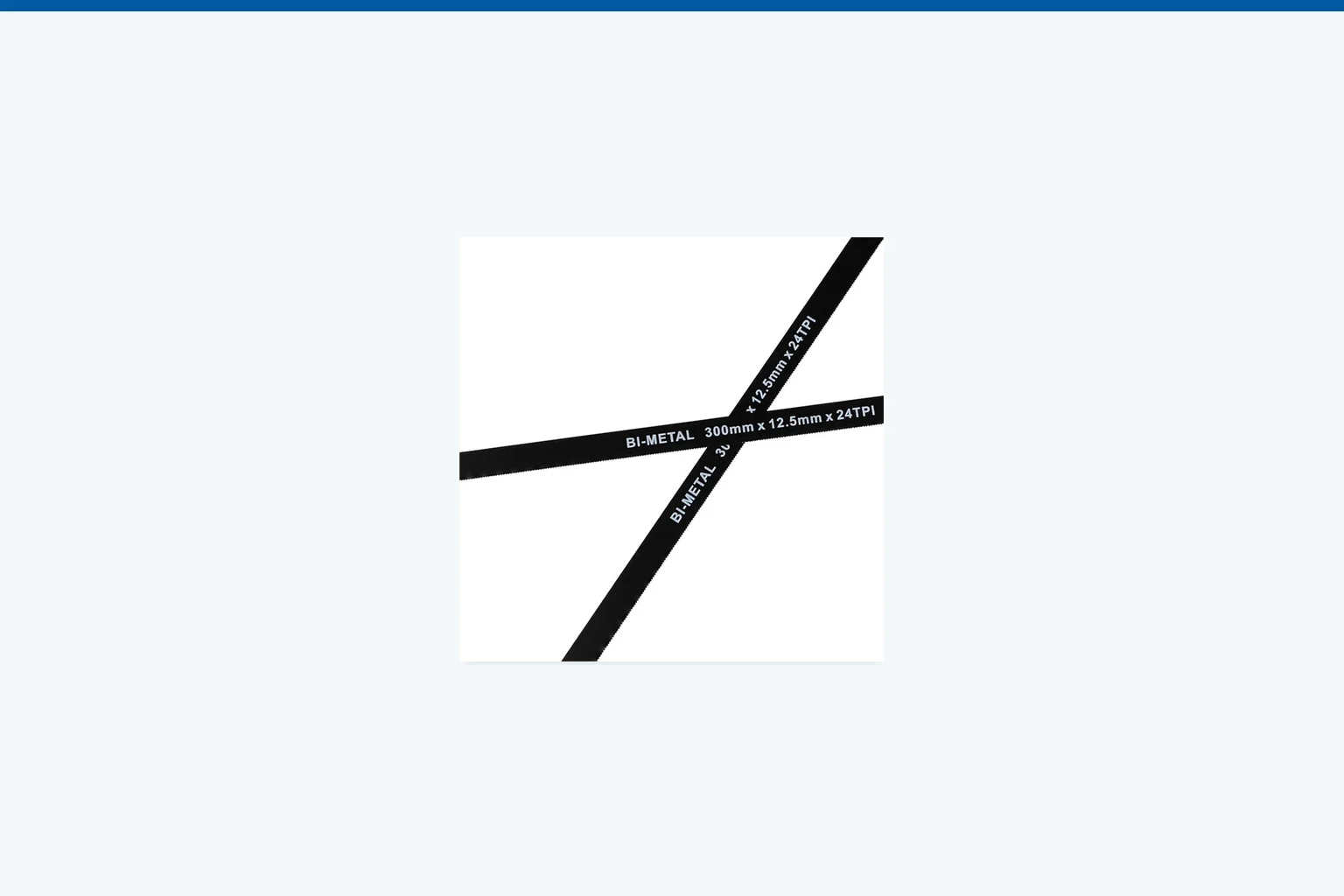
Part 1. What does flexible or rigid mean in practice?
The terms describe how the blade body responds to bending and side load in a given setup. They should be read with the blade construction and listed application, not as a promise that a blade will tolerate every misuse.
| Decision input | Flexible blade evaluation | Rigid blade evaluation |
|—|—|—|
| Access | Check whether controlled deflection is relevant | Check whether straight tracking is the priority |
| Work support | Still requires stable holding | Still requires stable holding |
| Frame condition | Verify pins and tension | Verify pins and tension |
Part 2. When does a flexible blade deserve evaluation?
A flexible option may be worth evaluating where the cut path or access makes some controlled deflection relevant. That possibility does not remove the need for a straight kerf, sound frame, and stable workpiece.
Use the Hacksaw Blade pillar to review the listed product family before making a commercial selection. For adjacent context, see Hacksaw Blades for Metal: Types and Selection Guide and Hacksaw Blade Buying Guide.
Part 3. When does a rigid blade deserve evaluation?
A more rigid body may be evaluated when the cut requires controlled tracking and the work can be held securely. Confirm the frame, blade length, and listed application before interpreting stiffness as a performance claim.
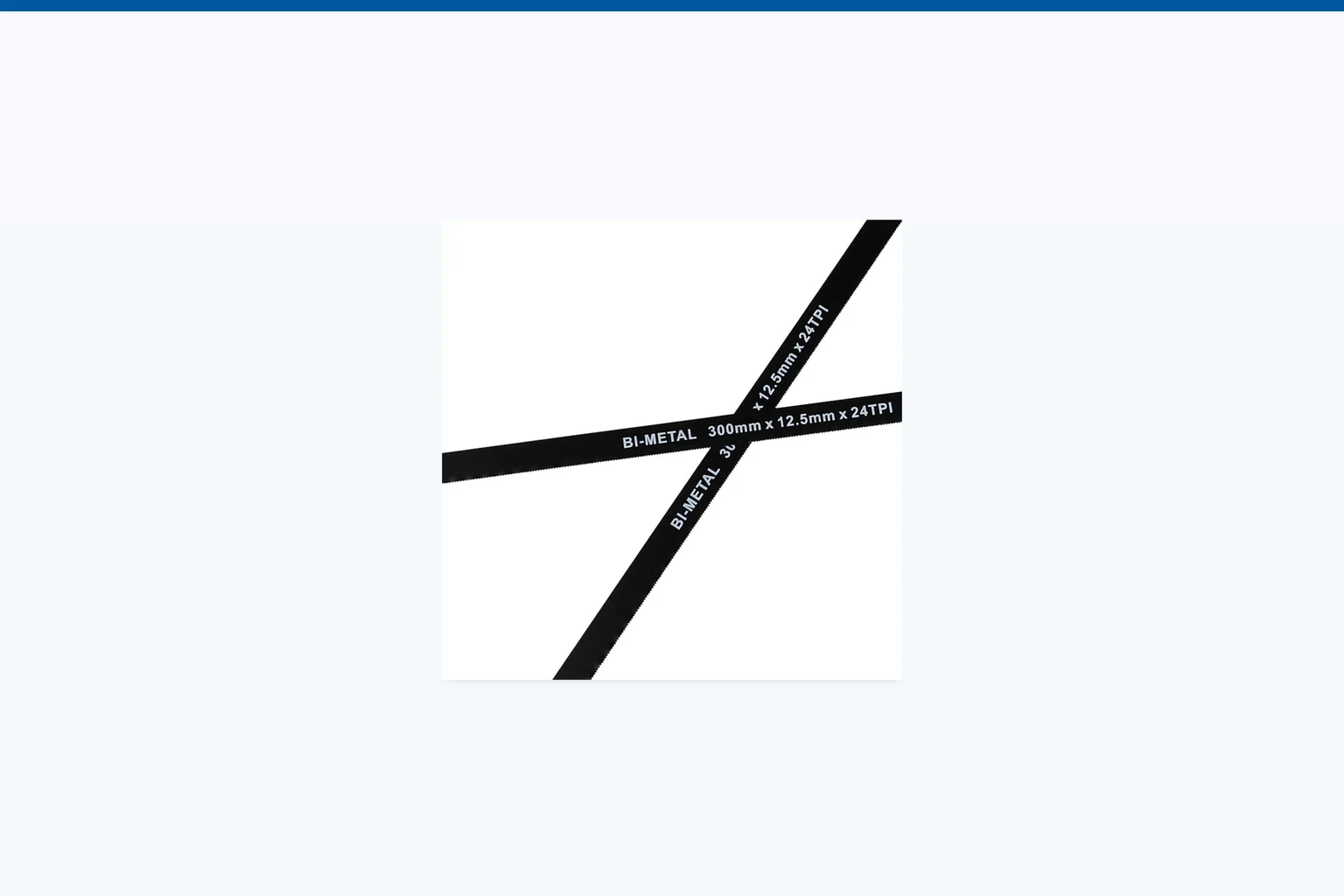
Part 4. How do frame and holder condition affect the choice?
A loose pin, distorted frame, or poor tension can overwhelm the intended behavior of either blade type. Inspect the tool before treating a blade-body difference as the cause of an inaccurate cut.
| Cut situation | Question to ask | Boundary |
|—|—|—|
| Restricted access | Can the frame remain aligned? | Do not force a turn |
| Open bench cut | Is tracking critical? | Clamp stock before testing |
| Thin section | Does pitch engage correctly? | Confirm with a sample |
Part 5. Why do tooth pitch and work section still matter?
Pitch governs tooth engagement while blade body behavior affects control. Review both against material, thickness, and section shape in the sample plan.
Part 6. What should a comparison sample test control?
Hold the frame, material, support, cut line, and operator method as steady as possible. Change one candidate at a time and record tracking, vibration, edge condition, and visible tooth damage without claiming a guaranteed rate or service life.
| RFQ field | Buyer record | Supplier review |
|—|—|—|
| Blade fit | Length and mounting | Listed compatibility |
| Workpiece | Material and thickness | Pitch and construction |
| Acceptance | Edge and tracking target | Candidate boundary |
Product recommendation: review the Hacksaw Blade pillar after documenting the RFQ fields. It fits as the verified product-family route, but is not recommended as a default model because this article does not verify universal frame, material, or application fit.
Fit Boundary
This route fits buyers who can confirm the frame, workpiece, and acceptance criteria. It does not support a life, cut-rate, certification, universal-fit, MOQ, lead-time, or unverified-model claim.
Part 7. How should an RFQ state the fit boundary?
Describe access, material, thickness, frame mounting, blade length, desired edge, and current failure symptom. Ask for a listed candidate and keep the recommendation conditional until the sample confirms the actual setup.
For a configuration review, contact EACHLEAD with the frame, material, dimensions, cut conditions, and any observed symptom.
FAQs
Are flexible hacksaw blades always better for curved cuts?
No. Curve control also depends on the frame, blade width, work support, and the listed blade use.
Do rigid hacksaw blades make every cut straighter?
No. A rigid body cannot correct a loose frame, moving workpiece, or a forced cut.
Can I use either type in any hacksaw frame?
Confirm mounting, length, and the product listing; this comparison does not establish universal compatibility.
Does tooth pitch matter more than flexibility?
Both are selection inputs, and their importance changes with the material and section.
Should distributors label a blade as flexible or rigid?
Only use wording supported by the verified product specification and keep the application boundary clear.
Which EACHLEAD model is the default choice?
There is no default model in this guide; use the pillar and contact path with your application details.
Can a sample test prove blade life?
No. A sample can compare the stated test conditions but cannot guarantee service life in other conditions.