


What makes plastic cutting different from wood?
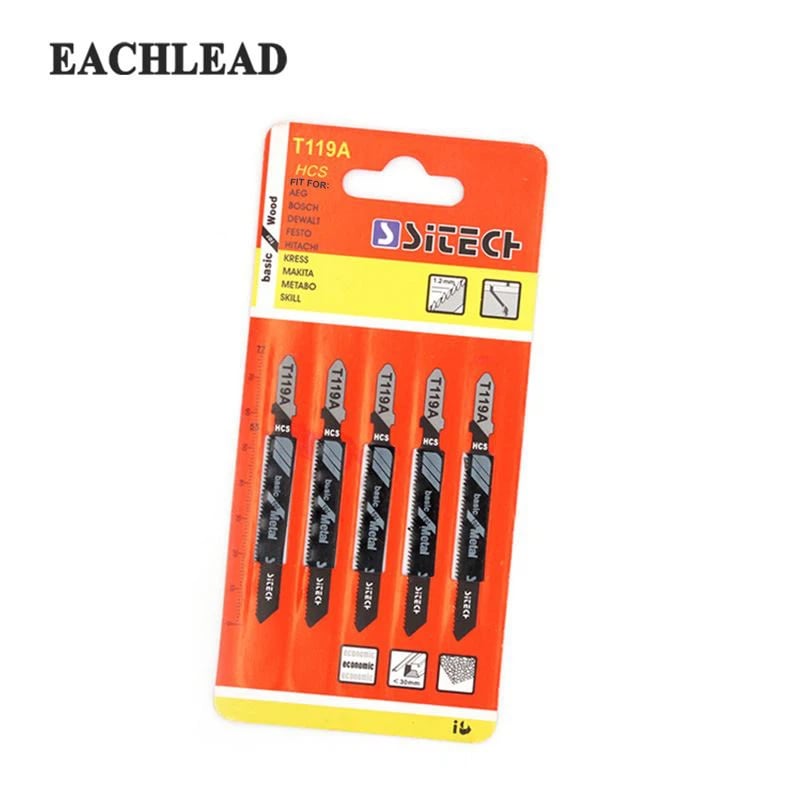
Jigsaw blades for plastic, acrylic, and PVC must control heat and chip behavior as much as tooth count. The right blade reduces melting, chip-out, and wander in sheet goods and fabricated parts. Start with material type and thickness, then confirm shank compatibility via the Jigsaw Blade category overview.
For metal crossover jobs, see the site’s how to cut metal with a jigsaw guidance.
Part 1. What makes plastic cutting different from wood?
Thermoplastics and acrylics react to heat and feed rate. The blade must remove material without re-welding the kerf.
Part 2. How should TPI be chosen for plastic, acrylic, and PVC?
Moderate to higher TPI often suits brittle or chip-prone plastics, while very soft PVC may tolerate a different band if feed is controlled.
| Material | TPI direction | Primary control |
|---|---|---|
| Acrylic sheet | Higher TPI band | Chip control and heat |
| PVC pipe | Mid TPI with chip clearance | Melt and re-weld risk |
| Rigid PVC profile | Mid TPI, stiffer blade | Wander and breakout |
Part 3. Which tooth styles reduce melting and chip-out?
Tooth set, sharpness, and body stiffness affect whether the cut stays open and cool enough to finish cleanly.
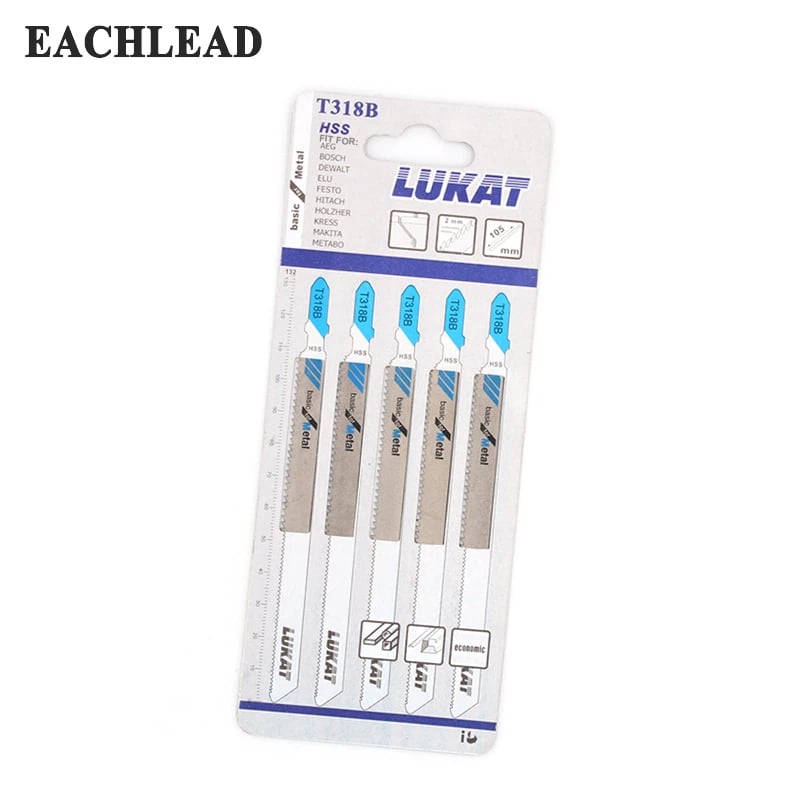
Plastic, acrylic, and PVC do not share one universal TPI. Sheet acrylic often needs cleaner chip control than soft PVC pipe, while rigid PVC profile may need a stiffer blade and shorter overhang.
| Material form | Primary risk | Blade selection focus |
|---|---|---|
| Acrylic sheet | Chipping and heat | Higher TPI band, reduced orbital action |
| PVC pipe | Melting and re-weld | Chip clearance, steady feed |
| Rigid PVC profile | Wander and breakout | Stiffer blade, local support |
Part 4. What setup steps matter before the first cut?
Clamp support, masking, reverse cutting, and reduced orbital action are common process controls—not blade labels alone.
| Setup factor | Symptom if ignored | First correction |
|—|—|—|
| Workpiece support | Splintering or melt | Add backer or clamp closer to line |
| Feed rate | Burning or rough wall | Slow feed before changing TPI |
| Orbital action | Chipped acrylic edge | Reduce or disable per tool manual |
| Blade overhang | Wandering cut | Shorten exposed blade length |
Part 5. How do acrylic, PVC pipe, and sheet goods differ?
Each form changes vibration, heat buildup, and the face that must stay presentable.
| Material | Process note | Blade question |
|—|—|—|
| Cast acrylic sheet | Mask cut line, support near edge | TPI and heat control |
| Extruded PVC sheet | Watch chip packing | Mid-to-high TPI with steady feed |
| PVC pipe | Rotate/support pipe | Chip clearance and stiffness |
Part 6. Which blade specs belong in a plastics RFQ?
Document material code, thickness, finish face, indoor/outdoor use, and whether the part is sheet, profile, or pipe.
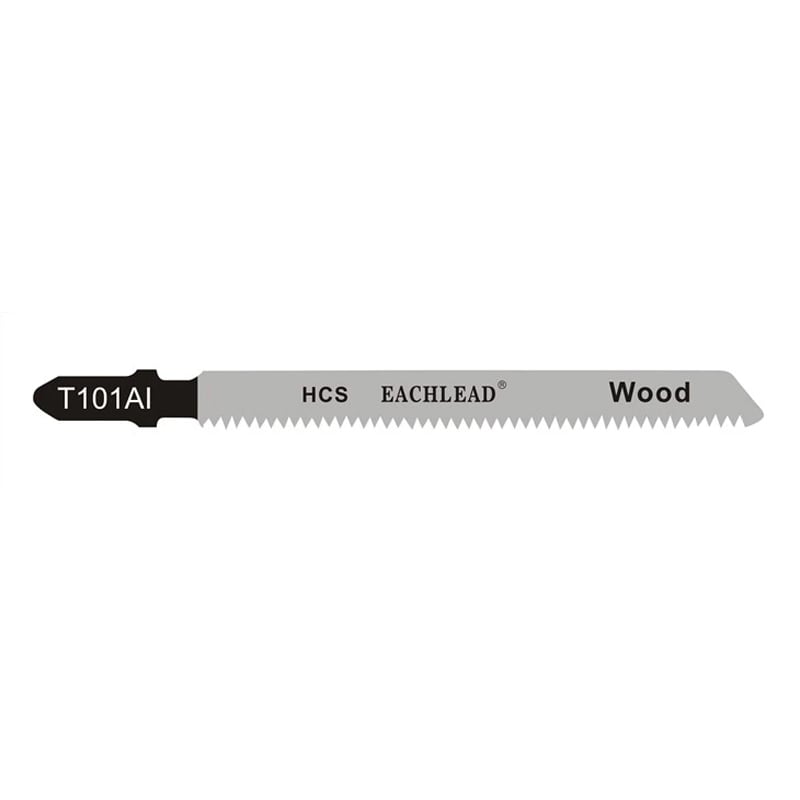
| RFQ field | Buyer input | Supplier response |
|---|---|---|
| Material family | Acrylic, PVC, other plastic | Recommended TPI band |
| Thickness | Sheet, pipe wall, profile | Blade length and stiffness |
| Finish face | Show side and edge quality | Tooth style recommendation |
| Shank type | Tool-verified shank | SKU label confirmation |
Product recommendation: review the T318B Jigsaw Blade for Wood, Metal, and Plastics only after the material, shank, and finish requirement are documented. Target URL: /product/t318b-ensures-efficient-and-accurate-cutting-of-wood-metal-and-plastics/; natural anchor: T318B jigsaw blade for wood, metal, and plastics.
Fit Boundary
This method fits buyers and distributors that can identify the plastic or wood material, thickness, and finish requirement before ordering. It is not sufficient when the buyer needs a guaranteed melt-free or chip-free result without sample testing, or when the tool shank has not been verified.
Why not recommend as a default: do not recommend this SKU for food-contact plastic lines, thick cast acrylic without a site test, or projects that require a verified melt-free guarantee.
Part 7. What troubleshooting signs point to the wrong blade?
Melted edges, wandering cuts, and chipped acrylic corners usually indicate heat, support, or TPI mismatch.
To compare EACHLEAD blades for a program or OEM pack, send the material list and finish requirement. You can also review jigsaw blade products once those inputs are documented.
FAQs
What TPI works for acrylic sheet with a jigsaw?
Higher TPI bands are often used for cleaner acrylic edges, but feed rate and support are equally important. Test on scrap of the same thickness.
Why does PVC pipe melt with a jigsaw?
Heat buildup and slow chip clearance can re-weld the kerf. Use a suitable TPI, reduce orbital action, and keep feed steady without forcing.
Can a wood jigsaw blade cut plastic?
Some wood blades can cut soft plastics in light duty, but brittle acrylic and finished PVC often need a blade chosen for chip and heat control.
Do reverse-tooth blades help with plastic laminates?
Reverse-tooth styles are mainly associated with chip-sensitive surfaces. They may help on some laminated panels, but material tests still matter.
Should I use orbital action when cutting acrylic?
Many operators reduce or disable orbital action for plastics to limit heat and edge chipping. Follow the tool manual and a scrap test.
How do I choose a blade for hollow PVC profile?
Support the profile near the cut line, choose a TPI band that clears chips, and avoid long blade overhang that increases wander.
What should a distributor ask before stocking plastic-cutting blades?
Ask for the plastic family, thickness range, finish requirement, shank mix, and whether buyers need sheet, pipe, or profile cuts.