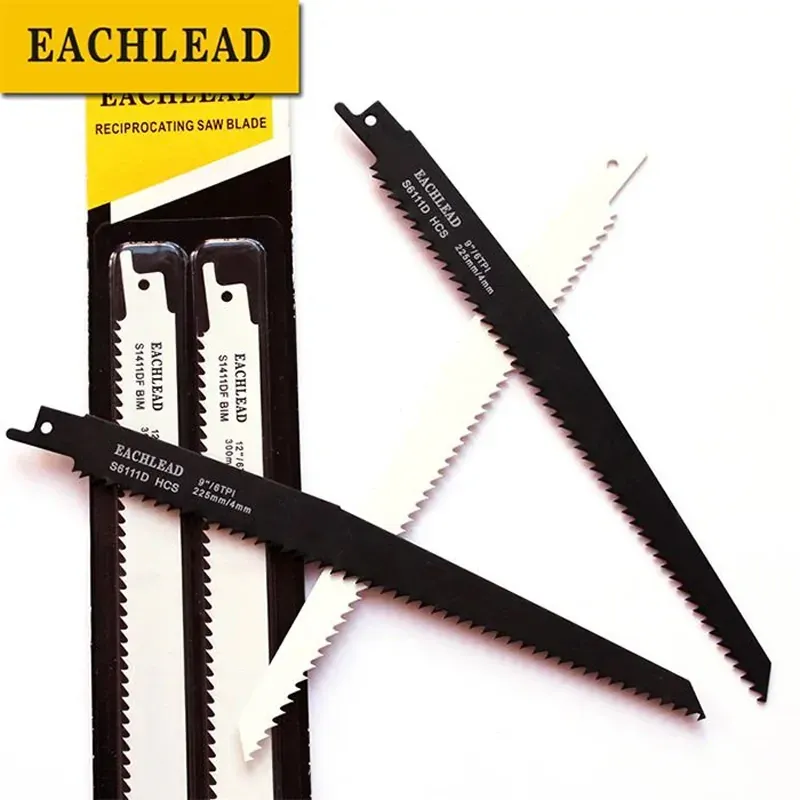
What Are Reciprocating Blades and How Do They Work?
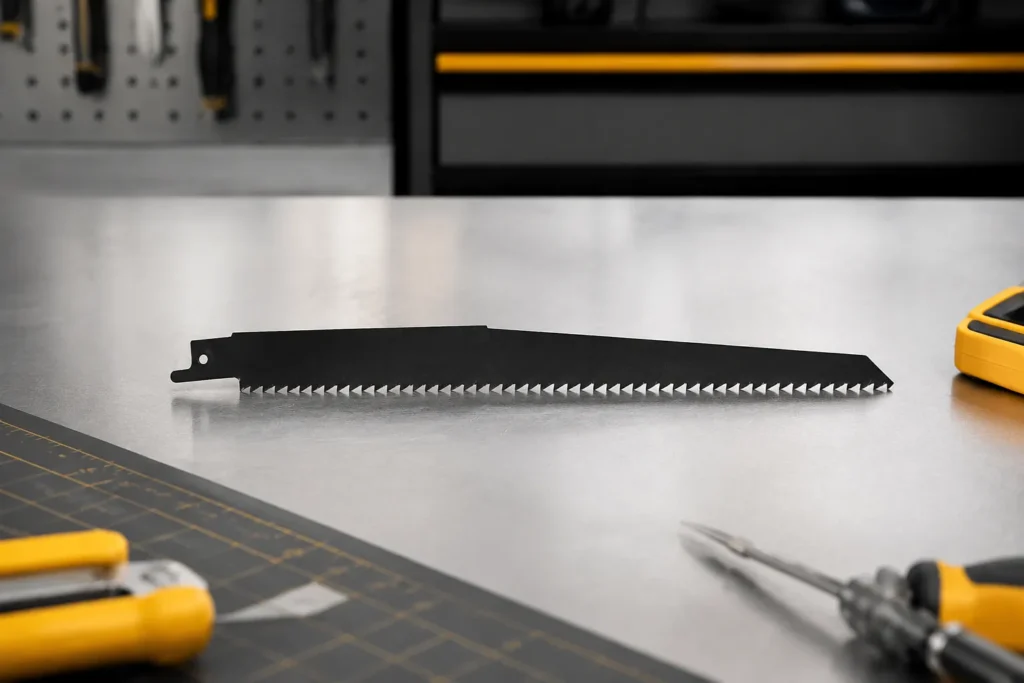
Reciprocating blades are specifically engineered cutting tools that operate with their corresponding powered reciprocating saw. Reciprocating saws have an extensive variety of uses including construction, demolition, and woodworking. The defining feature of reciprocating saw blades is their oscillating or reciprocating motion. Because of these unique motions, reciprocating blades can easily and effectively cut through most types of materials. Thus, if you plan on doing any type of home improvement project or work professionally in the carpentry field, you should become familiar with how to use a reciprocating blade properly.
What Are Reciprocating Blades?
Reciprocating blades are long thin strips of metal that typically have saw teeth on one or more sides. Many different sizes and styles of these blades exist, each of which is intended to cut a different material and to be used for a specific use. An example of this would be a reciprocating saw blade that has been manufactured specifically for cutting metals (steel or aluminum), as well as a reciprocating saw blade that has been manufactured to cut wood and produce a smoother finished surface than does a reciprocating saw blade designed to cut metal.
How Do Reciprocating Blades Work?
A reciprocating saw uses an electric motor, which moves a rotating blade linearly (back and forth) to create a cutting motion. When you turn the saw on, it produces a reciprocating (back-and-forth) path for the blade to travel along to create cuts in some material. The speed and level of effectiveness of your cut is dependent on several factors, including: the blade you are using, what materials you are cutting, what speed you are set at on the saw, and lastly the angle you are holding the blade will affect efficiency and precision in cutting.
Main Types of Reciprocating Blades
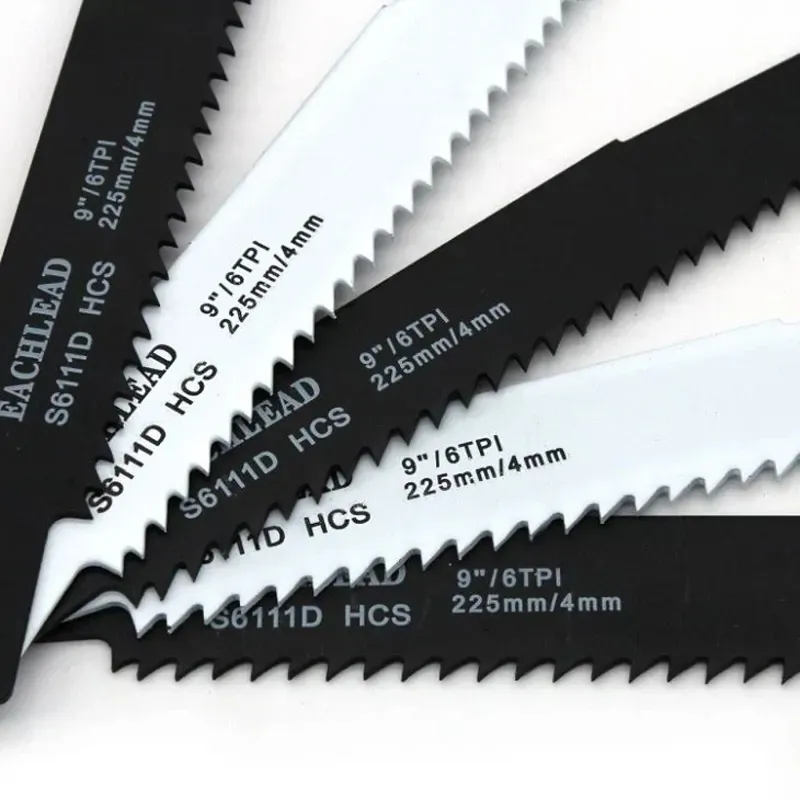
There are several main types of reciprocating blades, each designed for specific functions:
- Wood Cutting BladesThese blades have wider teeth, allowing them to provide a clean cut when cutting common wood materials such as lumber, plywood, etc.
- Metal Cutting BladesFor precise cutting of metal pipes, plates, or other materials made from metals, fine tooth tools can be used.
- Bi-Metal BladesWith a combination of high-speed and carbon steels, these long-lasting blades work well for cutting wood or metal materials.
- Demo BladesThese blades are designed specifically for demolition work; they are very sturdy and can easily cut through many different materials, even if those materials are quite tough.
Reciprocating Blade Shank Types and Compatibility
Select the proper reciprocating saw band according to the shank type and the engineering of your tool. The different shank types that are most typically used include:
- SDS: Typically used for heavy-duty applications with powerful saws.
- Universal Shank: The most widely used standard configuration, compatible with a majority of saw models.
- 1/4-Inch Shank: Often seen in specific brands and models, ensure compatibility with your tool before purchase.
Verify that your reciprocating saw is compatible with its blades to prevent wasting time or using the wrong type before making a purchase.
FAQs About Reciprocating Blades
To help address common questions about reciprocating blades, here are some detailed answers:
What materials can a reciprocating blade cut?
Reciprocating saws with different types of blades are capable of cutting many different types of materials, such as wood, metal, plastic, drywall, masonry, and tree branches. It is important to match the blade type to the material that you are cutting; otherwise, you may not achieve the desired result and could potentially damage the blade.
How do I choose the right reciprocating saw blade?
The choice of the right blade depends primarily on three factors – material being cut, type/size of project and compatibility with your proprietary Saw system. As a general rule, recipsaw blades for wood will feature larger tooth designs which allow you to cut through softer materials faster; however, those designed to cut metal will contain fine teeth that produce a clean, finished surface when cutting through an object with higher density. In addition, pay attention to not only the blade length but also the shank type of your saw equipment, to ensure compatibility.
How often should reciprocating blades be replaced?
A reciprocating blade’s life depends on its quality, what materials it has cut, and how heavily or often you use it to cut materials. When cutting, you will see a more rapid wear pattern on heavy steel than you would when cutting soft wood. You can tell that a blade should be replaced when you have dull teeth, slower cutting, or difficulty producing a clean cut.
Can I use one reciprocating blade for multiple materials?
Some saw blades (like bi-metal ones) can be used for multiple types of materials (meaning they’re versatile) but typically it is best practice to use a dedicated blade for each material to ensure optimum blade performance. A dedicated reciprocating saw blade for wood or metal will provide a superior cut and last longer than the other option.
Are reciprocating blades universal?
A wide variety of reciprocating saws use universal shank- style reciprocating blades, which allows them to be interchangeable with most brands. Still, it is always a good idea to verify the specifications from both manufacturers prior to making a purchase.
Conclusion
To sum up, it is necessary to learn about reciprocating blades and how they fit into different project objectives to allow for better and more efficient cutting of several types of materials when using the most suitable reciprocating blade for each application. If you are going to be cutting materials such as wood and metal, selecting the proper type of reciprocating blade will help you achieve a clean and precise cut with your material. Each type of reciprocating blade is different and will work better than another based on what type of reciprocating tool you are using. Additionally, a professional or DIYer should consider how selecting a suitable reciprocating blade will improve the quality of their projects.