What is the Best Hacksaw Blade for Metal? Types & Selection Tips
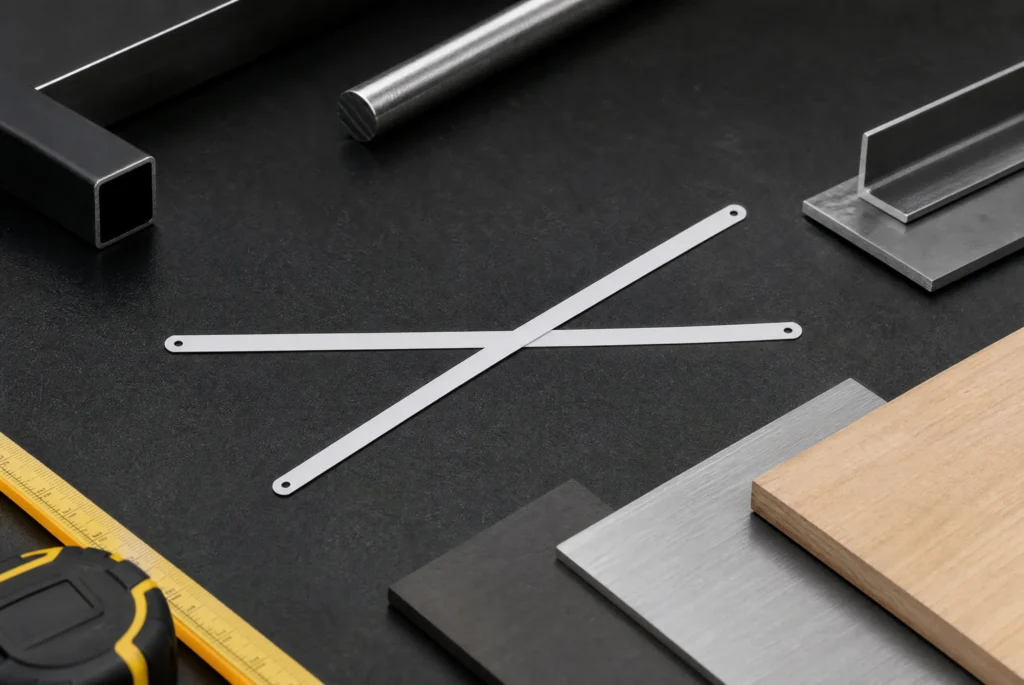
When engaging in any kind of project involving cutting metal, it is important to use a hacksaw blade for metal that is appropriate for the material type in order for there to be an accurate and efficient finished product. It is important to choose the proper hacksaw blade for your project after considering the type of metal you will be cutting- i.e., a proper hacksaw blade for cutting stainless steel (metal), aluminum (metal) or mild steel (metal) can make your overall project go much faster and improve your overall productivity. This article will provide information on different types of hacksaw blades for metal and will also provide tips regarding how to choose the best hacksaw blade for you.
What is a Hacksaw Blade for Metal?
A metal hacksaw blade is a tool specifically made to cut various types of metal. A metal hacksaw blade is unlike a regular saw blade because it is made from strong materials such as high-speed steel (HSS) or bi-material construction; therefore, it can make precise cuts through hard materials. The right metal hacksaw blade will produce smooth cutting edges, increase the life span of the blade, and provide the best performance during hard cutting applications.
Key Types of Hacksaw Blades for Metal Cutting
When choosing a hacksaw blade for cutting metal, there are a variety of blades available. Below is a list of the most common types of hacksaw blades:
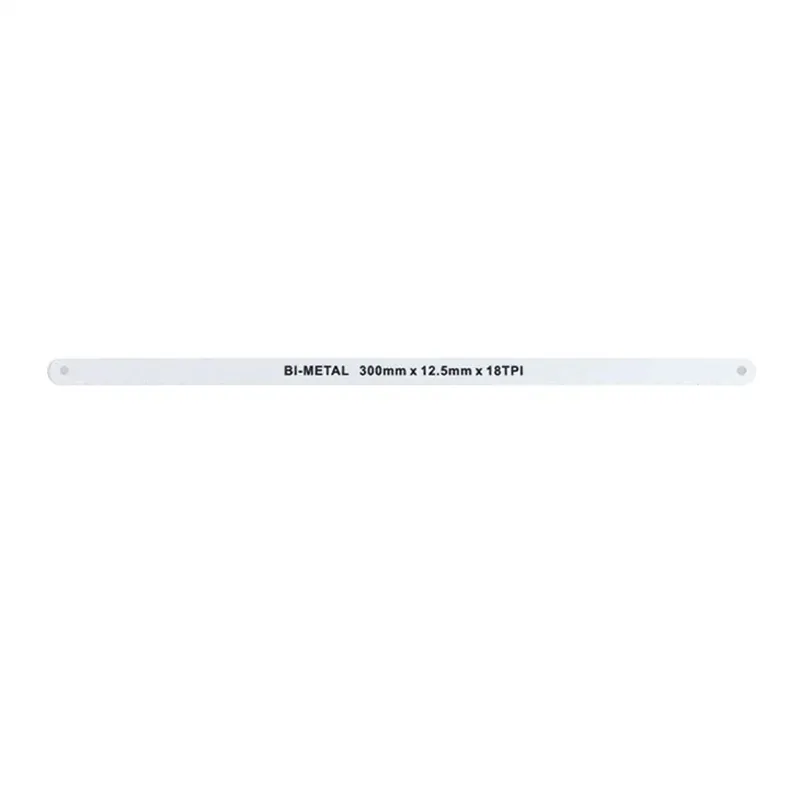
1. Bi-Metal Hacksaw Blades consist of two types of metal that are engineered so that one type provides flexibility while the other provides durability. The two types of metal provide reliable performance and a wide range of uses for bi-metal blades when cutting through different types of materials such as stainless steel, aluminum, and reinforced steel as well as providing excellent high-temperature performance.
2. Blades made from High-Speed Steel (HSS) pick up strength, hold their edge well, and work best with difficult to cut materials, such materials being high-hardness steels like stainless steel, etc. HSS offers a very durable blade, however they have much less bend than bi-metal blades.
3. Hacksaw Blades Made From Carbon Steel: These are considered value-priced metals that can be cut into by using them; however, although they may provide you with a solution initially, over time they generally will not last very long, and so they would be less desirable in instances where you need to perform repetitive operations.
4. Compact Hacksaw Blades for Metal: Great for intricate projects or tight spaces. Although they are small, they are capable of producing excellent results in cutting. They are intended for use on any project requiring attention to detail through careful cutting processes.
The Best Hacksaw Blade for Different Types of Metal
The kind of metal you are cutting will have an impact on the metal hacksaw blades you need to choose. These are some common situations:
– Stainless Steel: Because this is a tough material, you will require a durable blade; a bi-metal hacksaw blade for metal will have 18 to 24 teeth per inch (TPI) for cutting the stainless steel you are using, and high-speed steel blades can effectively cut through the hard surfaces of stainless steel due to their ability to retain their cutting edge.
Aluminum has a low hardness level in relation to other metals, so when cutting it with a band saw, you can use blades that have around 10-14 TPI. The most compatible blades to cut aluminum would be carbon steel or bi-metal blades; they will cut the aluminum rather easily and provide you with the least amount of wear on the blade.
– Mild Steel: When working on basic mild steel projects, it’s best to choose a blade with 14-18 TPI to provide both speed and accuracy when cutting the material. Bi-metal blades are excellent for cutting mild steel as they are both versatile and long-lasting.
Tips for Selecting the Best Hacksaw Blade for Metal
To ensure you choose the perfect hacksaw blade for metal, consider the following factors:
Determine the type of metal, thickness, and hardness of the metal you wish to cut.
Teeth Per Inch (TPI) is an important characteristic of a saw blade. A blade that has a greater number of teeth (higher TPI) will produce a much smoother cut, but may cut slower than a lower-TPI blade. When ripping softer metals (e.g. aluminum), use a blade with a lower TPI.
– types of Blades: Bi-metal or HSS blades have a greater overall life as compared to carbon steel and the make precision cuts; therefore, they are going to be more expensive than carbon steel.
Blade dimensions will influence your ability to maneuver while using a hacksaw for cutting metal. A small blade will allow you to maneuver through very tight or delicate areas.
The frequency of use should be taken into account when making a decision about which type of blade to purchase. A durable blade, whether bi-metal or HSS, is recommended for regular usage because they will be more cost effective than less durable blades.
FAQs
What type of blade works best when cutting metal at home? A general-purpose bi-metal blade with an average TPI from 14 to 18 is capable of cutting aluminum and mild steel providing good all-around versatility when using a hacksaw in the home.
A hacksaw blade designed for metal can efficiently cut multiple metals: a bi-metal or HSS (High-Speed Steel) hacksaw blade will work well when making cuts through different types of metal. Both types of blades can easily cut through stainless steel, aluminum, mild steel, and sometimes even very thin sheets of other alloys.
To take care of your hacksaw blade, always clean it off when finished with it after cutting any metal to remove any accumulated metal shavings or debris. Do not use excessive force while cutting with the hacksaw blade; use long, even strokes, and check your blade periodically to see if it is worn out to replace it when required.
Why Choosing the Right Hacksaw Blade for Metal Matters
Choosing the correct blade when using a hacksaw for cutting metals will give you increased accuracy and efficiency while completing projects. A correct blade will also reduce the chance of damaging your material or tools which in turn saves you time and money. By selecting a blade that is matched to your particular needs such as what type of metals you are cutting and the type of cutting techniques you will use, you will greatly enhance your results.
Conclusion
The best hacksaw blade for metal depends on the type of metal, the type of blade, and what cuts you expect it to make. If you are using stainless steel, aluminum, or aluminum, then a bi-metal or high-speed steel blade will provide the durability and sharpness necessary for cutting through this material successfully. In addition, if you are using a TPI, the knife size, and its intended purpose, then that information will help you to choose the correct size of the hack saw for your project. When you have the correct hacksaw blade, you will have no problems performing the tasks associated with cutting metal.