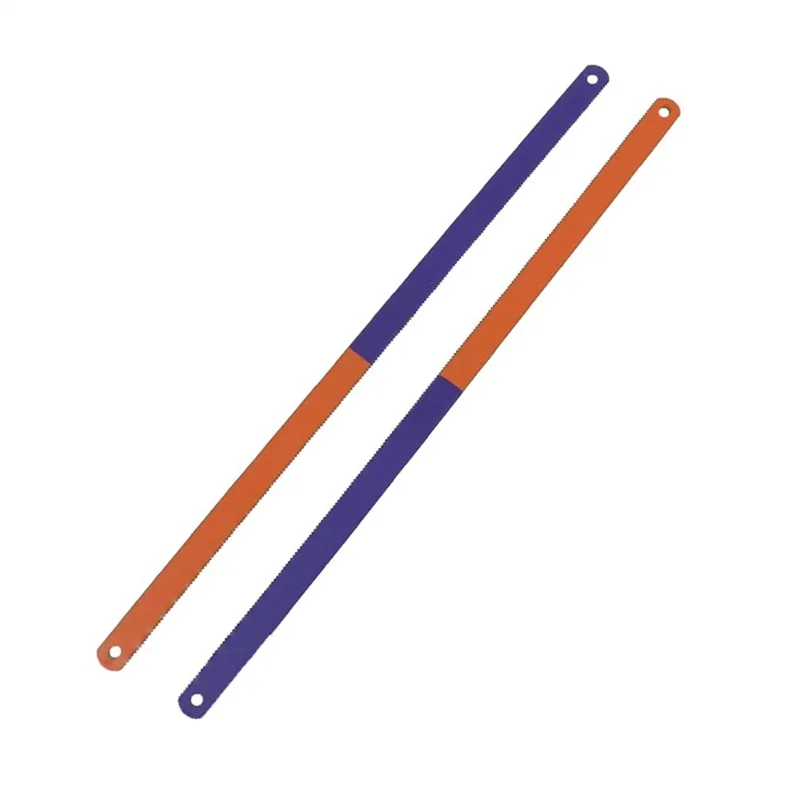
Carbide Hacksaw Blade Explained: Types, Uses & Buying Tips
If you want to cut through tough materials quickly, accurately, and easily, a carbide hacksaw blade is one of the best ways to do that as a professional carpenter or as a do-it-yourself (DIY) carpenter. This article examines the specific properties of a carbide hacksaw blade, the different types of carbide blades available, the best uses for carbon/hack saw blades, and important buying considerations so you can make educated purchases.
What Is a Carbide Hacksaw Blade?
A Carbide Hacksaw Blade is made for cutting hard materials such as stainless steel, hardened steel, and some non-ferrous metals. Unlike a normal steel blade, a carbide hacksaw blade has tungsten carbide embedded into the blade to provide additional strength and improve the ability to cut with the blade. Because of this design feature, users will have less time making products and their blades will last longer.
Types of Carbide Hacksaw Blades
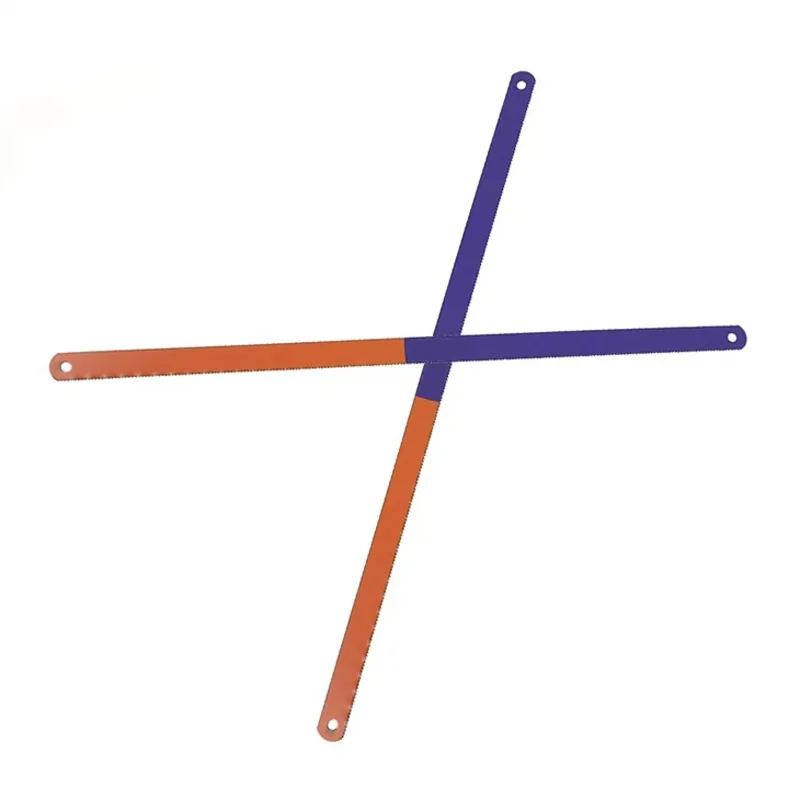
Cutting carbide is done using carbide saws of varying types. The following are the most common types of carbide saw blades:
Tungsten Carbide Hacksaw Blade: The type that has received the greatest amount of acclaim due to its superb ability to produce smooth finish cuts on tough substances. There are a lot of places for this tool in the metal fabrication world because it allows for precise cuts.
Carbide Junior Hacksaw Blade: Designed to accomplish detailed tasks with high precision in small space applications makes this small, versatile blade an excellent option for making delicate cuts on materials requiring finesse.
Portable Carbide Hacksaw Blade: Typically, this type is made for, and can be easily carried by a person, with the ability to cut very well.
Common Uses and Applications
Carbide hacksaw blades‘ versatility allows them to be utilized across many different industries and applications.
– Fabrication of Metal Materials: Cutting of metal during fabrication, assembly, and repairing processes is one of several important aspects of this process.
– Construction: Ideal for cutting metal frames, piping, and fixtures used in building structures.
– Automotive: Useful for cutting auto parts and components where precision is crucial.
– Maintenance & Repair: This is commonly used by maintenance teams and is used to cut through very difficult objects.
Carbide vs. Bi-Metal vs. HSS Blades
It’s important to compare the performance of carbide blades to the performance of other types of blades like bi-metal and high-speed steel/carbide (HSS).
Carbide Blades: Good for tough materials and heavy-duties. They will last longer due to their high-quality and will offer superior protection against wear.
Bi-Metal Blades: The combination of HSS tooth blades with a flexible steel frame offers versatility and durability. However, these blades do not perform as well on harder materials than other types of saw blade designs.
HSS Blades: In general, they’re usually less costly and work better with softer metals; however, they will wear out much quicker than the carbide blades. Therefore, they’re not as well suited for heavy-duty applications.
Buying Tips for Carbide Hacksaw Blades
When you’re ready to invest in a Carbide Hacksaw Blade, consider the following tips:
1. Ensure the Blade Material is Compatible with the material you will be using if you expect optimal Performance from your blade.
2. Blade Sizes: You need also think about the size of the blade itself. Good blade size will enhance your ability to cut and to handle materials.
3. Teeth Count: With more teeth on your blade you’ll get a better cut; fewer teeth on your blades will produce less of a finished product.
4. Price/Quality Relationship: The longer lasting and more robust a blade is, the less likely it is to break because of lower amounts of usage over time, leading to potential cost savings to the purchaser.
Ultimately, determining your own particular requirements as well as selecting a suitable carbide hacksaw blade results in improved efficiency and accuracy of your sawing operations.
The outcome of your project(s), from ease of use to finished product quality, will be significantly impacted by selecting the appropriate hacksaw blade. Visualizing if you were planning on a task that required using a hacksaw, how far down in the project do you think you will be before making a purchase? What type of hacksaw blade would you intend to purchase for your project? A tungsten carbide (carbide) hacksaw blade can be used for more demanding applications because of its superior edge; therefore, understanding the different styles/types of hacksaw blades and their applications, and key buying considerations will give you the tools needed to make sound purchasing decisions. Improving your cutting experience and investing in quality hacksaw blades will allow you to generate superior results in your will complete cutting events/projects.