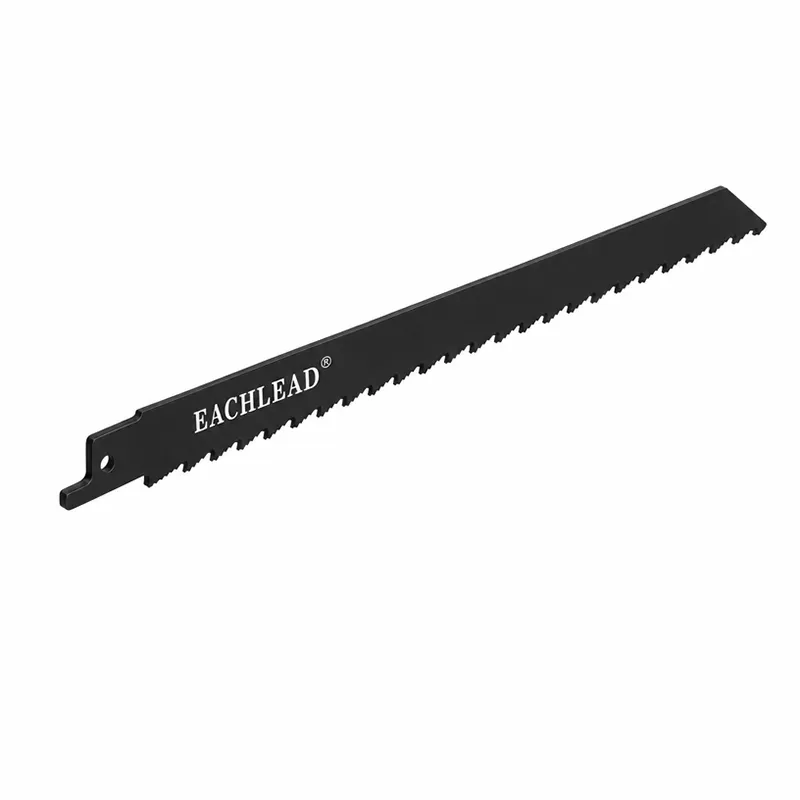
Sabre Saw Blades: How to Choose the Right One
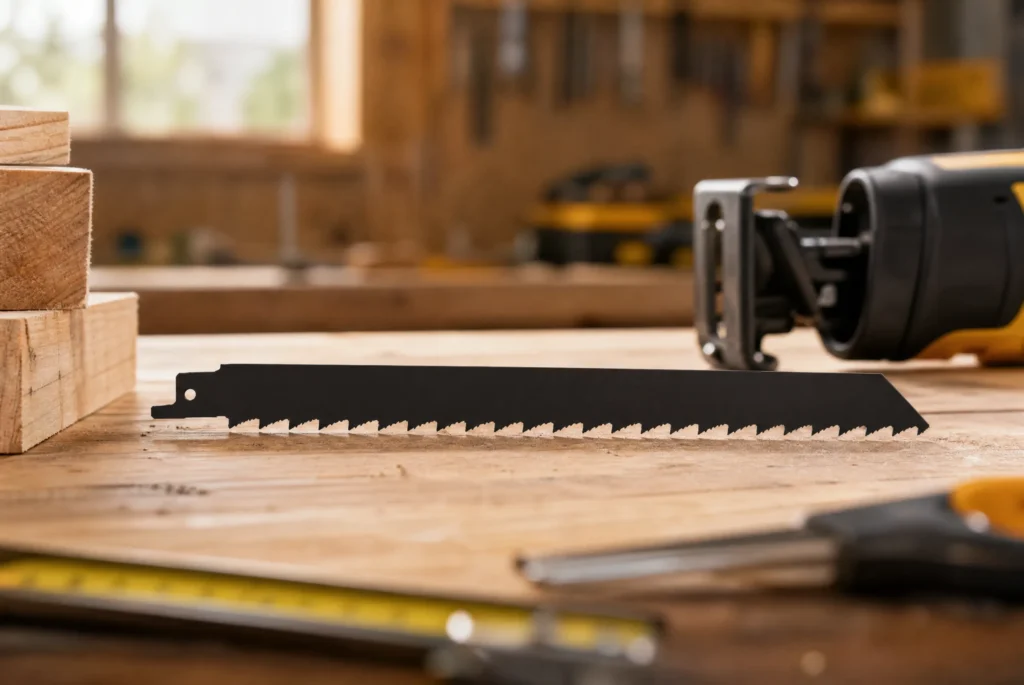
When doing woodworking and construction projects, it is vital to have the correct tools to accomplish your project’s goals. One such tool is the sabre saw (also referred to as jigsaw). The sabre saw’s ability to cut precisely relies heavily upon how well suited the sabre saw blades are for the project at hand. This article can assist you in deciding which type of sabre saw blade to buy, including some pointers about different kinds of sabre saw blades, so that you can find the best ones for your specific needs.
Understanding Sabre Saw Blades
Sabre saw blades are offered in a wide variety of designs and styles as they can be used for different materials including wood, metal or plastic. Selecting the proper sabre saw blade to meet the specifications of your particular material or project is essential. When you look at sabre saw blades designed for cutting wood, you can see that they are designed to cut cleanly and accurately. In contrast, when you use a sabre saw blade that is designed for cutting metals, it will have the durability needed to engrave into hard materials.
Factors to Consider When Choosing Sabre Saw Blades
Before purchasing a sabre saw blade, consider the following factors to guide your selection:
Material Type: Determine what type of material you will be mostly cutting with your saw. If your material is hardwood, you will want to find a blade that is designed specifically for cutting hardwoods. If you are cutting metal such as stainless steel, then find a sabre saw blade designed specifically for cutting metals.
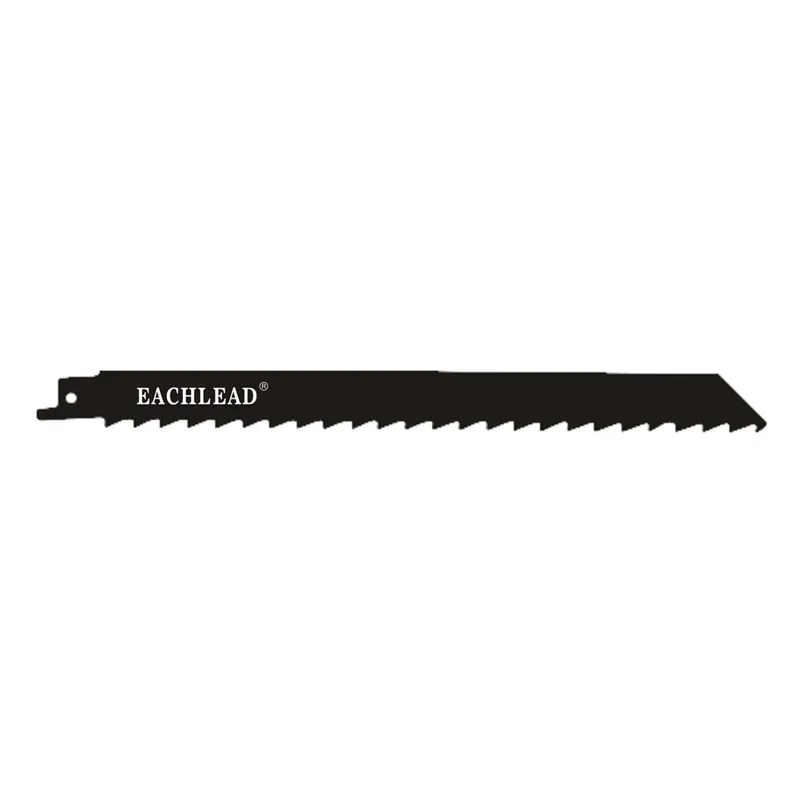
Teeth Count: More teeth give you a finer cutting finish but reduce your cutting speed. Conversely, fewer teeth result in a faster cutting speed but produce a more serrated edge.
Blade Length and Width: Select the appropriate length of the cutting blade for your sabre saw and for the project that you are working on. A wider blade will tend to be more stable and a narrower blade will allow for more intricate cuts.
Blade Material: High Carbon Steel, Bi-metal and Carbide Tipped blades are materials used to manufacture blades. Bi-Metal blades are cost effective for daily usage while Carbide Tipped blades are best suited for industrial applications because they are both durable and long lasting.
Are Sabre Saw Blades Universal?
Sabre saw blades have different blade shank configurations to match their corresponding tools, so make sure your tool is compatible with a compatible sabre saw blade before you purchase one.
How to Choose the Right Scroll Saw Blade?
Scroll and sabre saws are both dependent upon the selection of the correct blade for what you are working with to work well. Consider kerf, tooth design, and end use when making this decision. Always remember to take into consideration the work you will be doing when selecting between the various blade options of broad, fine, or spiral blades – the type of cut (straight, curvy, or intricate) should affect which blade you choose for your specific project.
What Factors to Consider When Selecting a Hacksaw Blade?
When selecting a hacksaw blade, you must consider how thick the material is, how many teeth per inch (TPI) are recommended for that material, and what type of cut (straight or curved) you will be making. As with sabre saws, choosing the right hacksaw blade will have a major effect on how well you can perform at your task and the quality of the end product.
Can I Use Sabre Saw Blades for Cutting Plastics?
Sabre saw blades are able to cut plastic materials, however, it’s very important that you use one that is made specifically for cutting plastic. These blades are much less toothy than wood or metal cutting blades and are designed to help prevent melting due to the heat generated by cutting. It is also important to set the appropriate speed when operating the sabre saw, or else you risk damaging the material.
Conclusion
Selecting the proper sabre saw blades has a major impact on the overall success of your projects. The following will help you evaluate what types of materials, number of teeth, length of blades and types of materials will help you choose the proper blades so that you obtain optimal performance from your saw. When cutting either wood or metal, knowing the above will allow you to select your blades correctly and produce clean cuts and a high-quality outcome from your projects.