

-
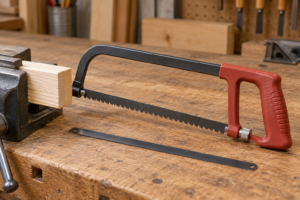
Hacksaw Wood Blades: Tooth Pitch and Cut-Control Checks
Learn how to identify a hacksaw wood blade, compare tooth pitch, confirm frame fit, and decide when a coping saw or wood saw is the better tool.Read more -
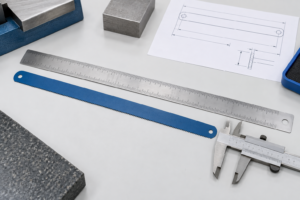
Hacksaw Blade Dimensions: Length, Width, and Thickness to Confirm
Understand hacksaw blade dimensions, including length, mounting span, width, thickness, and TPI, before confirming a replacement blade.Read more -
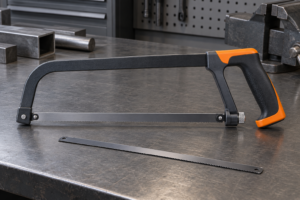
Hacksaw Blade Holders: Fit, Tension, and Replacement Checks
Learn how to check hacksaw blade holder fit, mounting pins, installed length, alignment, and tension before choosing a replacement blade.Read more -
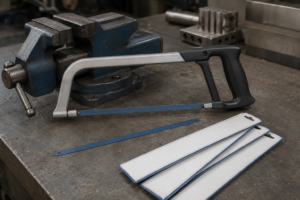
High Speed Steel Hacksaw Blade: Where HSS Fits the Selection
Learn how a high speed steel hacksaw blade differs from bi-metal, where an all-hard blade fits, and which TPI, length, and frame details matter.Read more -
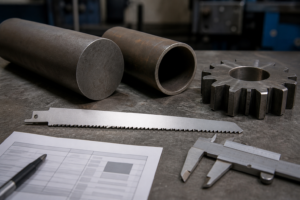
Reciprocating Saw Blades for Hardened Steel: What to Check
Choose reciprocating saw blades for hardened steel by checking material condition, section, tooth material, TPI, blade body, and trial limits.Read more -
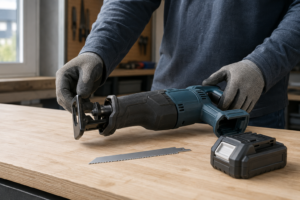
How to Change Blade on Reciprocating Saw Safely
Learn how to change blade on reciprocating saw: isolate power, release the clamp, inspect and seat the shank, then check retention safely.Read more -
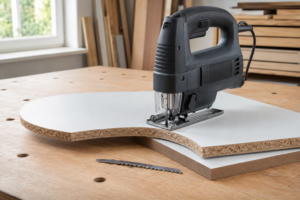
Double Sided Jigsaw Blades: Where Two-Way Teeth Help
Learn how double sided jigsaw blades cut on both strokes, where they can improve two-face finish, and which fit and workpiece details to check.Read more -
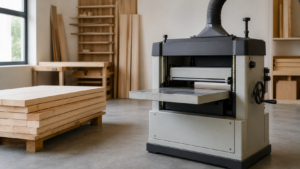
What Is a Planer? How Planer Blades Affect the Cut
What is a planer? Understand the woodworking tool, how it differs from a jointer, and which machine details matter for planer knives.Read more -
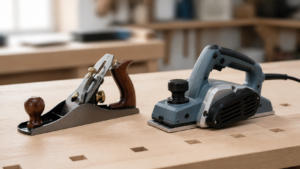
What Is a Hand Planer? Manual and Electric Types Explained
What is a hand planer? Compare manual planes, electric hand planers, and thickness planers, then identify the right blade information.Read more -
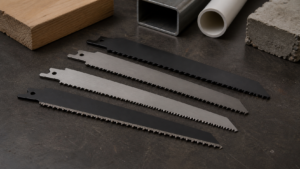
Carbide Reciprocating Saw Blades: When the Edge Construction Matters
Choose carbide reciprocating saw blades by edge type, material, TPI, blade length, body, shank, and the named model application.Read more
